Counting the waves…
Counting the waves…

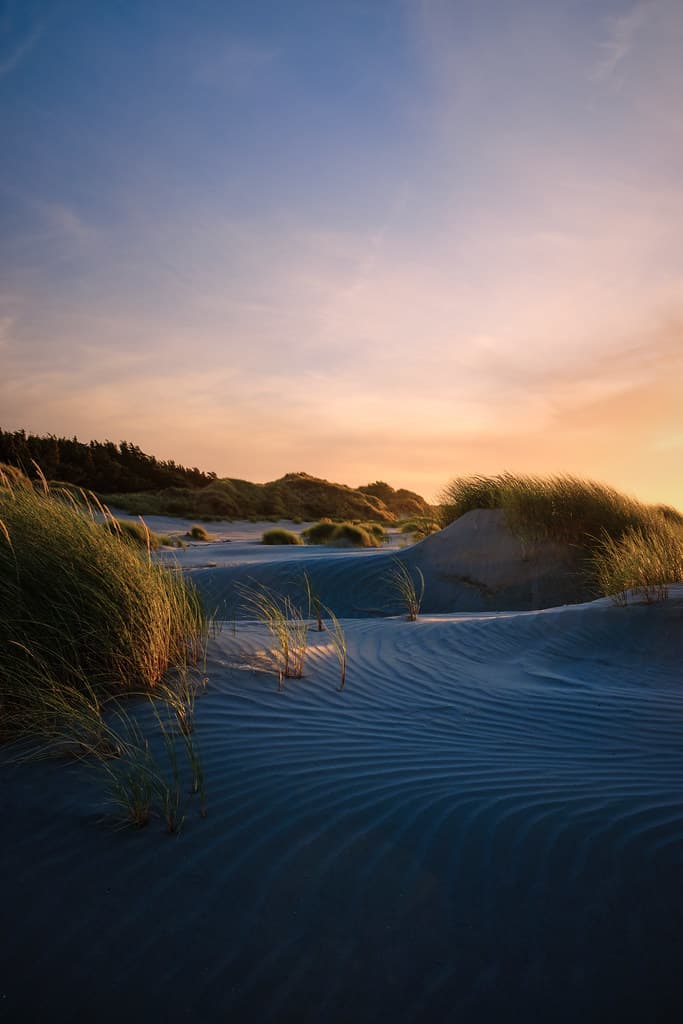
The estuary defines Waikawa Beach. Brackish water winds through salt marsh and wetland before surrendering to the open coast, and you can trace its current by the debris line—shells, kelp ribbons, the occasional crab carapace. Black iron sand stretches north and south, coarse underfoot, backed by rumpled dunes that shift with every southerly. Driftwood accumulates in chaotic piles, silvered trunks and gnarled roots sculpted by salt and time. Kāpiti Island dominates the western view, its forested ridgeline clear on still mornings, hazy in the afternoon glare. The light here changes constantly—soft gold at dawn, harsh and flat by midday, amber and crimson as the sun drops toward the Tasman. Families arrive with buckets and dogs, spreading out across the sand with the ease of regulars who know the tides. The beach empties quickly outside summer. You'll hear oystercatchers piping along the tideline, wind rattling the toetoe, waves collapsing in steady rhythm. The estuary pools hold mullet and flounder; the dunes shelter native spinifex and pingao. It's a beach that rewards quiet attention, where the drama comes not from crowds or cafés but from the collision of river, ocean, and sky.
Places, rentals, tours and events within walking and driving distance of Waikawa Beach.
Photos
Waikawa Beach has varying conditions depending on tides and weather. The estuary area tends to be calmer and more sheltered, making it suitable for families with young children. The open ocean side can experience stronger currents and surf, so caution is advised. There are no lifeguard patrols, so swimmers should assess conditions carefully and never swim alone. Check local weather forecasts and tide times before entering the water, and be particularly cautious during rough seas or high winds.
Summer months (December to February) offer the warmest weather and best beach conditions, though this is also when you'll find more visitors. Autumn and spring provide quieter experiences with mild temperatures ideal for beach walks and birdwatching. The beach is beautiful year-round, particularly for sunset viewing toward Kāpiti Island. Visiting during weekdays rather than weekends typically means fewer crowds. Early mornings offer the most peaceful atmosphere and excellent opportunities to explore the dunes and estuary undisturbed.
Waikawa Beach is located in the southern Horowhenua region, accessible by car from State Highway 1. From Levin, it's approximately a 20-minute drive westward. Follow Waikawa Beach Road from the highway directly to the coast. The roads are sealed and suitable for all vehicles. There is limited public transport to this area, so having your own vehicle is recommended. Parking is available near the beach and settlement. The beach is approximately 90 minutes' drive from Wellington or Palmerston North.
Waikawa Beach is a small, quiet settlement with limited commercial facilities. There are no restaurants or cafes directly at the beach, so visitors should bring their own food and drinks. The nearby town of Levin (about 20 minutes away) offers supermarkets, cafes, and restaurants for supplies. Accommodation options are primarily holiday homes and baches available for rent, plus some camping facilities. For a wider range of lodging and dining options, staying in Levin and making day trips is a practical alternative.
Waikawa Beach stands out for its combination of estuary and ocean environments, offering diverse coastal experiences in one location. The views toward Kāpiti Island are particularly striking, especially at sunset. The beach features extensive sand dunes that create a sense of wild, natural beauty. It's notably quieter and less developed than neighbouring beaches like Foxton or Waitārere, appealing to those seeking a more secluded coastal experience. The estuary attracts various bird species, making it interesting for nature enthusiasts and photographers.