Counting the waves…
Counting the waves…
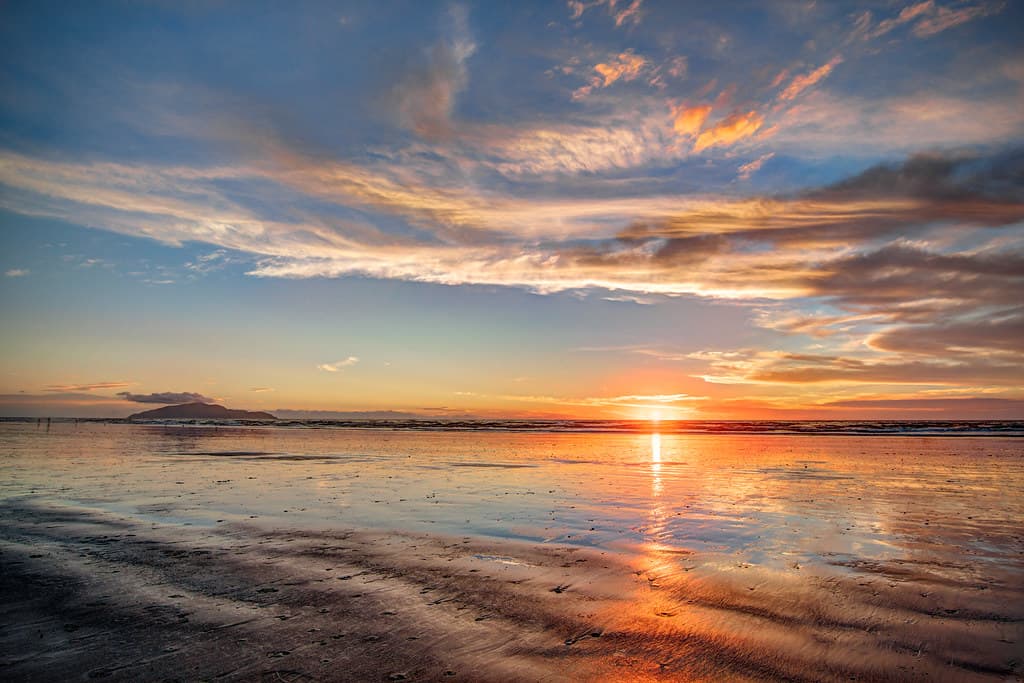
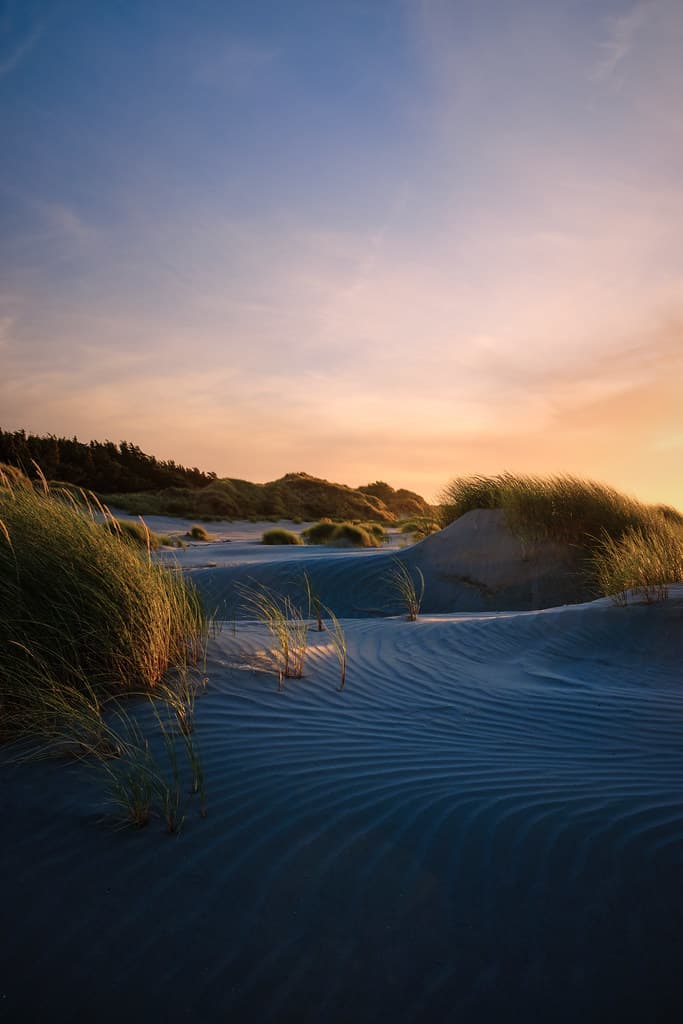
You approach through a small settlement of baches and permanent homes, parking near the estuary where the Waikawa River spreads into braided channels before meeting the sea. On the river side, the water barely moves at high tide, creating a natural paddling pool where toddlers splash and kayakers launch without fighting surf. The sand transitions from grey estuary mud to cleaner ocean grains as you walk toward the river mouth itself. Cross the narrow channel at low tide—the current never runs strong here—and you're on the ocean beach, where waves roll in from the southwest and the sand stretches firm and clean toward Ōtaki. Kāpiti Island dominates the offshore view, its forested ridges clear on fine days, ghostly behind rain squalls on others. The beach curves gently, backed by dunes where lupins bloom purple in spring and toetoe plumes catch the wind in autumn. Families stake positions near the estuary mouth, setting up shade tents and letting children move between calm and wave zones as confidence allows. The lack of commercial development preserves a 1970s bach holiday atmosphere—sandy towels, simple lunches, hours measured by tide rather than clock. Evening light turns Kāpiti into a dark silhouette against bands of orange and pink, and the estuary becomes a mirror reflecting the changing sky.
Places, rentals, tours and events within walking and driving distance of Waikawa River Mouth Beach.
Photos
The estuary edges of Waikawa River Mouth Beach offer calm, shallow waters that are generally suitable for children, especially near the river mouth where conditions are sheltered. However, always supervise children closely as tidal currents can change water depth and flow. The sandy bottom provides safe footing in most areas. Check local conditions before swimming, and be aware that river mouths can have variable water quality after heavy rain. The calm nature makes it ideal for paddling and gentle family swimming during settled weather.
Summer months (December to February) offer the warmest weather and best beach conditions, though the beach remains accessible year-round. Visit during weekdays or shoulder seasons (spring and autumn) to avoid crowds, as this hidden gem sees fewer visitors than nearby beaches. Late afternoon is particularly spectacular for sunset views across to Kāpiti Island. Morning visits during outgoing tides reveal more beach area. Weather in the Manawatū-Whanganui region can be changeable, so check forecasts and choose calm days for the best experience.
Waikawa River Mouth Beach is located in the small settlement of Waikawa Beach, accessible by road from State Highway 1. From Levin, head west toward the coast, then follow signs to Waikawa Beach. The beach area is near the river mouth and typically requires a short walk from roadside parking. Roads are sealed for most of the journey, though some final access may be on gravel. The location is relatively remote, so GPS or detailed maps are recommended. Allow extra travel time as this is off main tourist routes.
Waikawa Beach is a small residential community with limited commercial facilities. Visitors should bring their own food, drinks, and supplies, as shops and restaurants are not readily available at the beach itself. The nearest services are in Levin, approximately 20-30 minutes' drive inland. Accommodation options include holiday homes and rental properties in Waikawa Beach village, often booked through vacation rental platforms. For more extensive lodging and dining choices, consider staying in Levin or nearby Ōtaki and making a day trip to the beach.
Waikawa River Mouth Beach offers stunning unobstructed views of Kāpiti Island from an estuary setting that combines river and ocean environments. Unlike typical ocean beaches, the sheltered river mouth creates calm waters ideal for families seeking gentler conditions. The beach's relative obscurity means it's often quiet even during peak season, offering a genuine hidden gem experience. The combination of sandy beaches, estuary birdlife, and spectacular sunset views across the water to Kāpiti Island creates a unique coastal landscape rarely found elsewhere in the region.