Counting the waves…
Counting the waves…

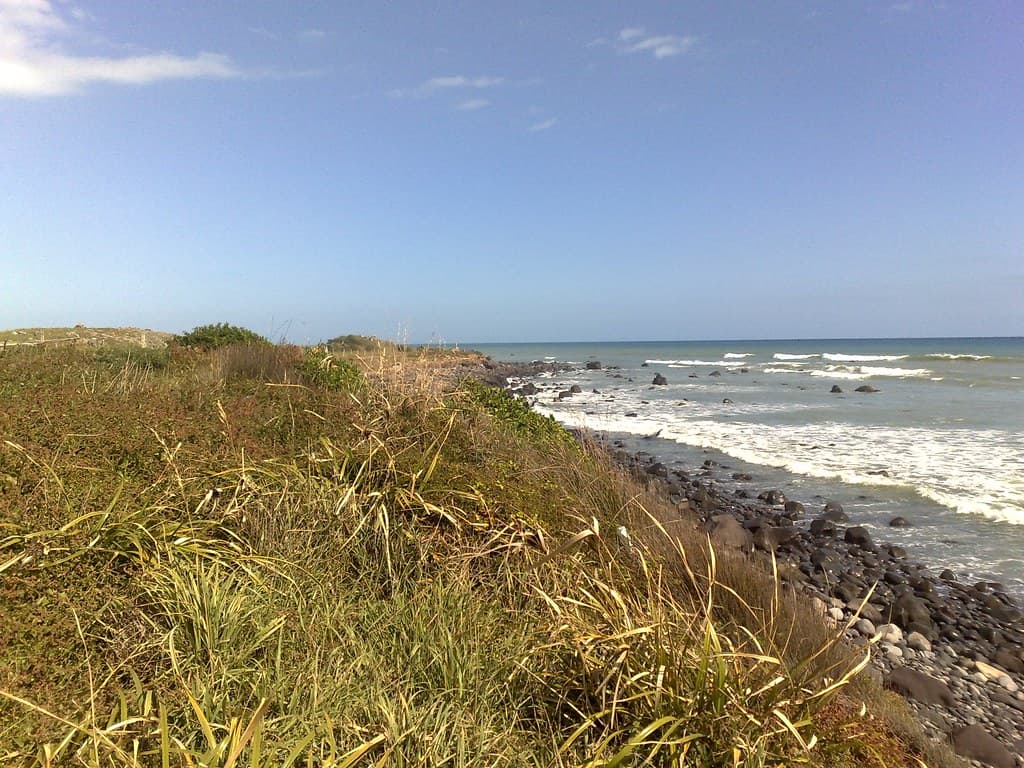
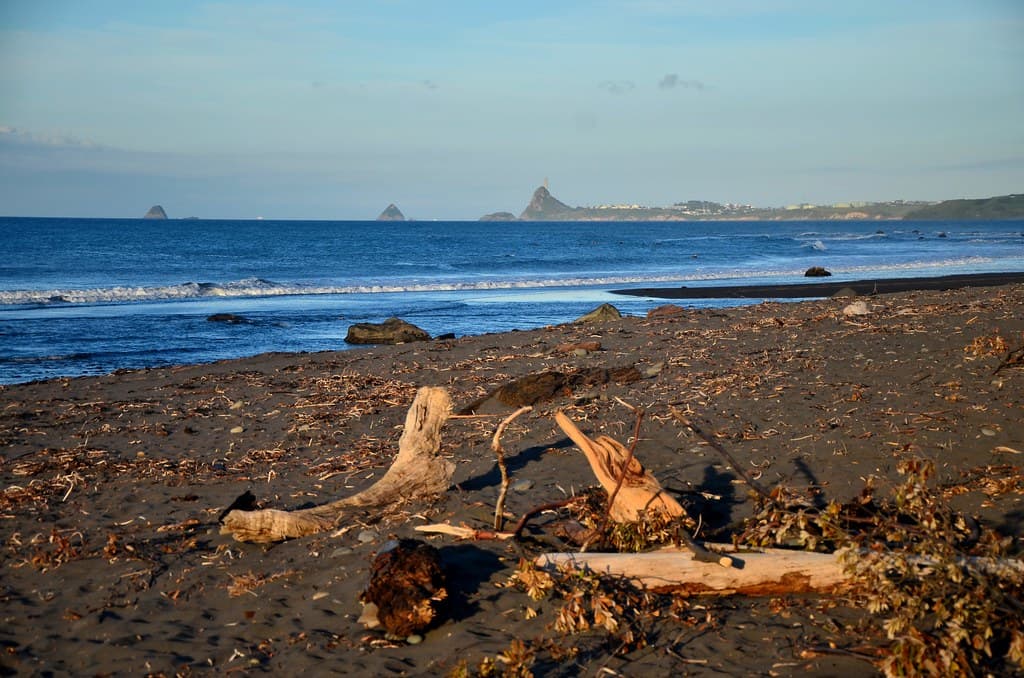
The road to Puniho Beach passes through working farmland where electric fences hum and dairy sheds smell of silage and disinfectant. Then the land falls away and you're looking at the Tasman Sea grinding against a volcanic coast, black sand beaches stretching north and south, empty save for the occasional surfer or fisherman who knows the tide tables by heart. This is the rural west coast in its essential form—beautiful, uncompromising, and utterly indifferent to whether you find it photogenic. The beach itself sprawls wide at low tide, the dark sand compacted hard enough to drive on if you're foolish and equipped with a four-wheel-drive. Most settle for parking above the high-tide line and walking. The surf breaks with authority here, waves shaped by the bathymetry of the volcanic seafloor and the uninterrupted fetch across the Tasman. On good days, the peaks line up with enough consistency to make the drive worthwhile. On average days, it's still rideable if you're not particular. Mount Taranaki dominates the inland view when weather permits, its perfect cone rising from the coastal plain like a postcard from a previous geological age. But you're more likely to see it in silhouette at sunset, the mountain turning black against orange sky while waves continue their patient work of grinding the volcanic coast back into sand and stone.
Places, rentals, tours and events within walking and driving distance of Puniho Beach.
Photos
Puniho Beach is a rural surf beach with conditions typical of Taranaki's west coast—strong currents, rips, and variable wave patterns. This is an unpatrolled beach, so all water activities require careful assessment and experience. Swimming is possible but suited only to confident ocean swimmers who can identify and handle rip currents. The beach is more popular with surfers who understand west coast conditions. Never swim or surf alone, and always check conditions before entering the water. The black volcanic sand and powerful waves make this beach better suited to experienced water users.
Summer months (December to February) generally offer the best weather for visiting Puniho Beach, with warmer temperatures and more stable conditions. However, surfers visit year-round based on swell forecasts. Autumn often brings consistent waves with fewer crowds. The beach faces west, providing spectacular sunset views throughout the year. Visiting during weekdays or outside peak holiday periods ensures a quieter, more peaceful experience. Weather on the Taranaki coast can change rapidly, so checking forecasts before visiting is advisable. Low tide can provide better beach access and exploration opportunities.
Puniho Beach is located along Surf Highway 45 in the small rural settlement of Puniho, approximately 40-45 kilometers south of New Plymouth. Drive south on State Highway 45 through the coastal communities; Puniho Beach access is signposted from the main road. A short access road leads to parking areas near the beach. The roads are sealed and suitable for regular vehicles. Public transport doesn't service this remote rural area, so a private vehicle is essential. The beach may not appear on all tourist maps, so GPS navigation or local directions are helpful.
Puniho is a very small rural settlement with minimal facilities. There are no significant commercial food or accommodation options immediately at the beach. Visitors typically stay in New Plymouth (45 kilometers north), Opunake (south along the coast), or book rural holiday rentals and farmstays in the surrounding area. For food and supplies, the nearest towns with shops and services are some distance away, so bringing your own provisions is highly recommended. Most people visit Puniho Beach as a day trip while exploring Surf Highway 45 or staying in larger nearby towns with better facilities.
Puniho Beach is valued by surfers for its quiet, uncrowded setting and consistent west coast swells. As part of the Surf Highway 45 experience, it offers an authentic, low-key surf spot away from more commercialized beaches. The characteristic black volcanic sand and rural backdrop provide a quintessential Taranaki surf experience. The beach's relative remoteness means fewer crowds even during good surf conditions, appealing to those seeking solitude. Local surfers appreciate it as one of several quality breaks along the coast that work in different swell and wind conditions, making it part of a wider surf exploration route.