Counting the waves…
Counting the waves…
A refined fusion of water purity, environmental stability, and communal vibrancy for Warea Beach.
View MethodologyAnalyzed via live sensors and environmental data.
Wave height, wind, and atmospheric stability.
Live footfall and crowd balance metrics.
Community reviews and curated sentiment.
“The Surf Highway 45 runs right past Warea, but most travelers don't even slow down. Their loss: this is where Taranaki locals learned to read swells, where boards get dinged on the paddle-out, and where the beach still…”
Limited recent visitor reports — live OBI telemetry is your best guide for current conditions.
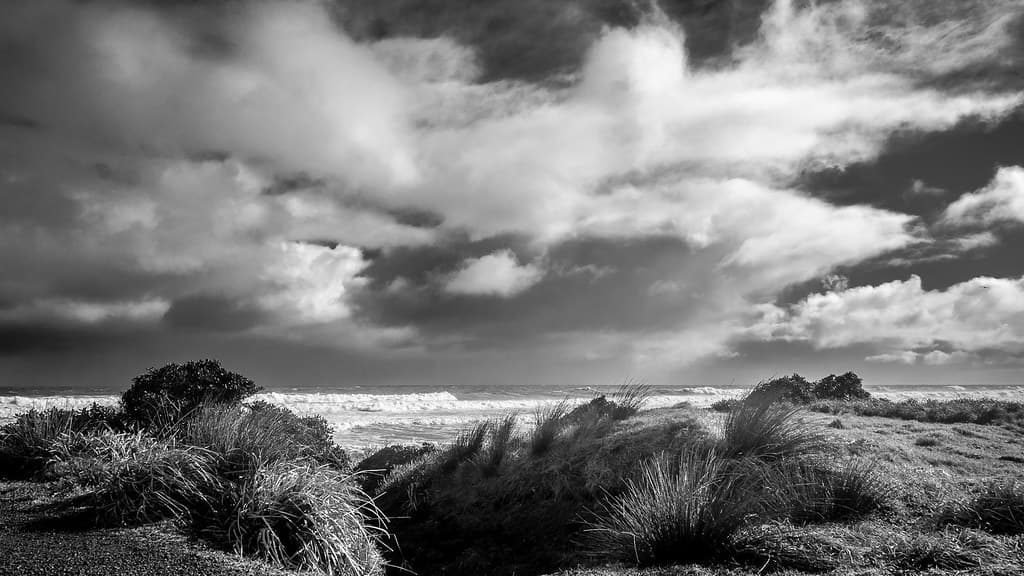
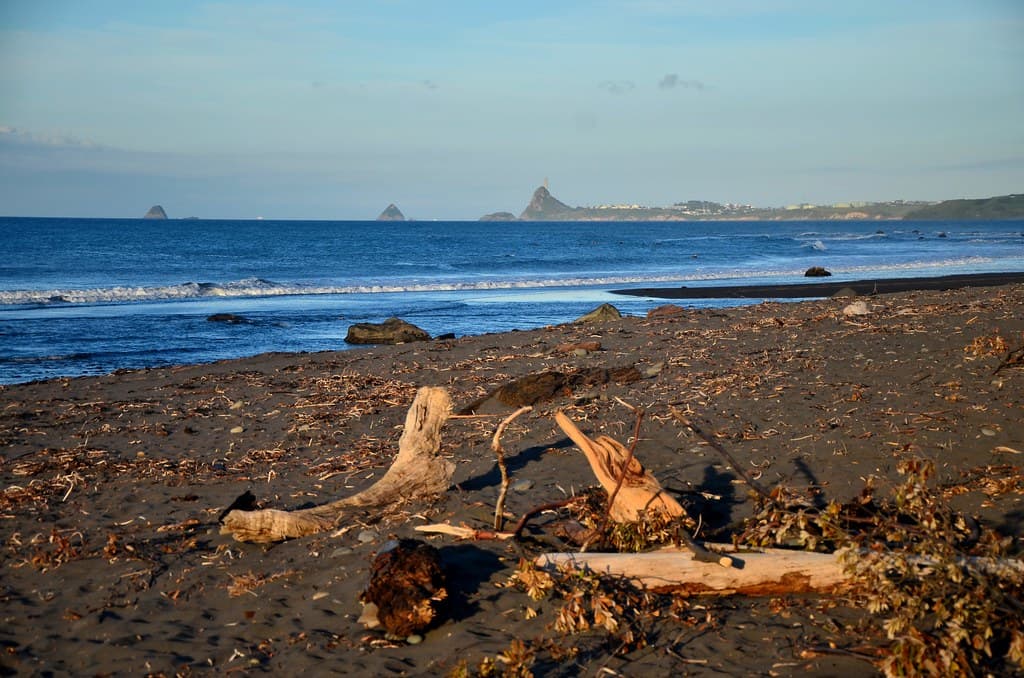
Warea's iron-sand beach curves in a wide arc beneath coastal farmland, the black shore contrasting sharply with white water as swells march in from the Tasman. On good days, the peaks line up with metronomic consistency; on average days, the beach break churns and closes out, testing your timing and your paddle fitness. Either way, you'll see locals in the lineup—generations of Taranaki families who've been surfing this stretch since before it had a highway number.
The settlement itself barely qualifies as a town: a hall, a handful of homes, the road. But the beach culture runs deep. Wetsuits dry on fence posts. Surfboards lean against sheds. Conversations in driveways revolve around swell direction and wind forecasts. This isn't a destination; it's a working beach for people who measure seasons by surf quality rather than calendar months.
 Credit: Unsplash
a beach with a hill in the background
 Credit: Unsplash
ocean at daytime
Powerful Tasman swells
Black sand and white water
Farmland meets ocean
Prime Visitation
Best Weather|Less Crowds
Where it is
Warea Beach
Warea, Taranaki, New Zealand
-39.258600°, 173.774200°
Weather
Loading…
Swell
—
Temp
Warm · Restorative
UV Index
Moderate
Wind
—
Tidal State
Last known
Max Sunlight
—
Ideal Shade
—
Jan - Dec (Peak)
Mar - Nov (Off-season)
Best Weather|Less Crowds
Select a category to load nearby places.
Unlock restaurants, luxury stays and curated maritime experiences within 2km
Warea Beach is primarily a surf beach with black volcanic sand and can have strong surf conditions typical of Taranaki's west coast. Swimming is possible but requires caution due to rips, currents, and variable wave conditions. This is an unpatrolled beach, so swimmers and surfers need to assess conditions carefully and never swim alone. The beach is more suited to experienced surfers who understand west coast conditions. Always check surf reports before entering the water and be aware that conditions can change rapidly on this exposed coastline.
The best time to visit Warea Beach is during summer months (December to February) when weather conditions are most favorable and daylight hours are longer. However, surf conditions can be good year-round for experienced surfers. Autumn (March to May) often brings consistent swells with fewer crowds. Visiting during weekdays or outside peak New Zealand holiday periods ensures a quieter experience. Sunset is particularly spectacular at this west-facing beach. Check weather forecasts before visiting as the Taranaki coast can experience sudden weather changes.
Warea Beach is located along State Highway 45, also known as the Surf Highway, approximately 30 kilometers south of New Plymouth. Drive south from New Plymouth on SH45 through the small settlement of Warea; the beach access is signposted from the main road. A short access road leads to a parking area near the beach. The road is sealed and suitable for all vehicles. There is no public transport to this rural location, so a private vehicle is necessary. The beach is well-known locally but may require a GPS or map for first-time visitors.
Warea is a small rural settlement with limited immediate facilities. Basic supplies may be available at local shops, but for comprehensive services, New Plymouth (30 kilometers north) or Opunake (further south) are your best options. Accommodation in the area includes rural farmstays, holiday homes, and bach rentals rather than hotels. Some visitors stay in nearby Oakura or New Plymouth and make day trips to Warea Beach. It's advisable to bring your own food and drinks when visiting, as dining options are very limited in this quiet rural area.
Warea Beach is part of Taranaki's famous Surf Highway 45 circuit and is known among local surfers for its consistent waves and characteristic black volcanic sand. The beach offers various surf breaks that work in different conditions, making it popular with those exploring the region's surf spots. The rural, uncrowded setting provides a more authentic New Zealand surf experience compared to busier urban beaches. The dramatic backdrop of the Taranaki coast and Mount Taranaki (on clear days) adds to its appeal. Its relative remoteness means fewer crowds even on good surf days.
Photos