Counting the waves…
Counting the waves…
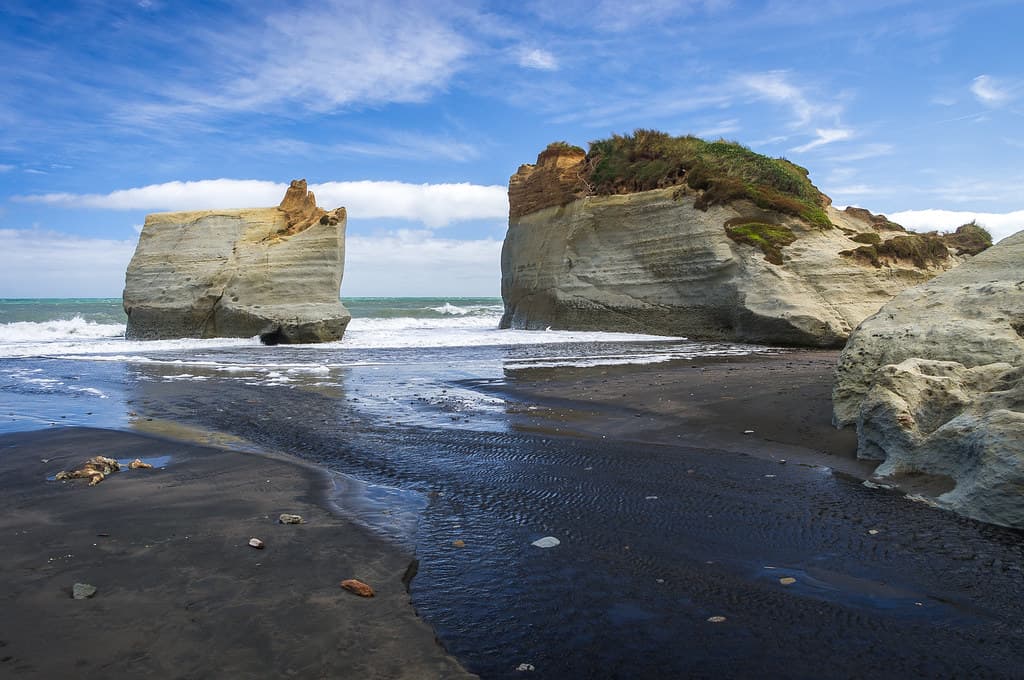
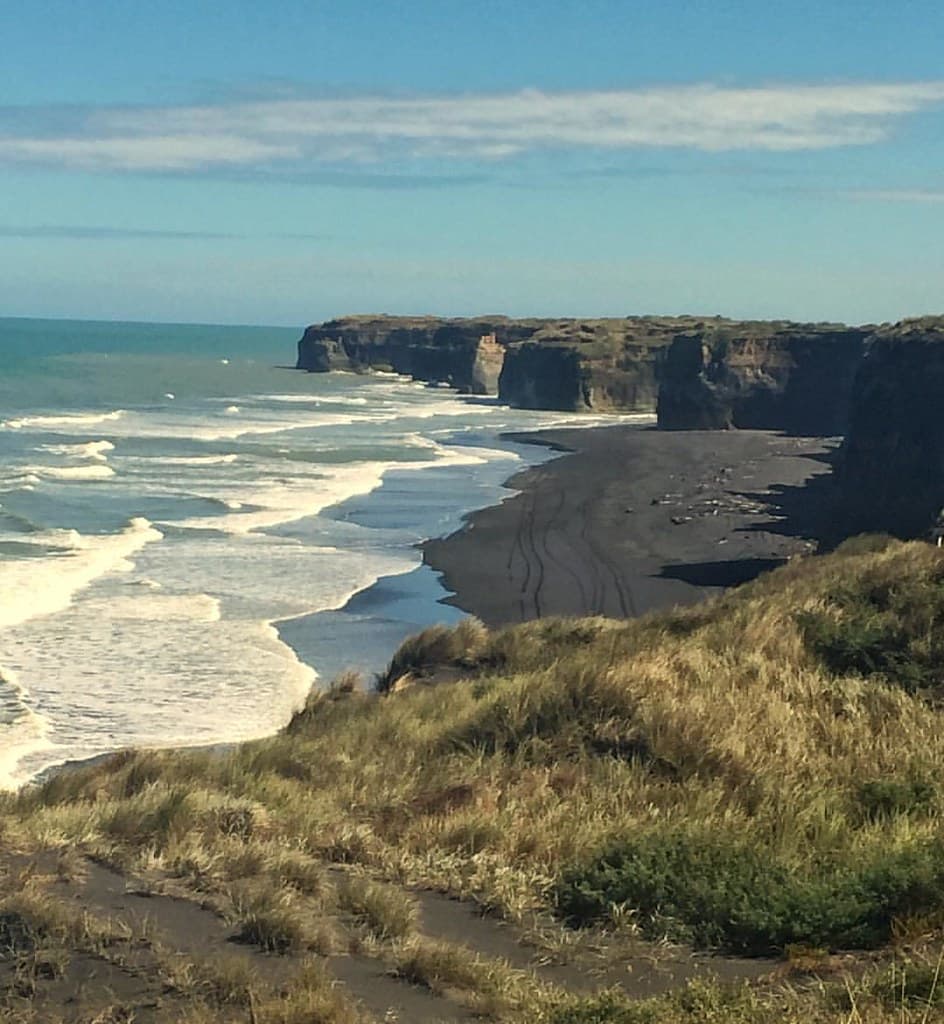
The iron-rich sand at Waipipi gleams like gunmetal under overcast skies, a reminder that this coastline was born from volcanic fire. Driftwood logs, bleached silver by salt and sun, lie scattered above the high-tide line where you'll find families setting up portable grills on summer evenings. The beach runs for kilometres in both directions, unbroken except for the river mouth where children wade in the shallows and dogs chase gulls. Waverley sits three kilometres inland, a farming service town with a single general store and a population that knows one another by first name. Most visitors pass through on State Highway 3 without stopping, which suits the handful of regulars who park their utes beside the access track each weekend. You'll share the sand with anglers casting for kahawai and dog-walkers who time their visits to the tide. Sunset here is a slow burn across the Tasman Sea, turning the black sand amber at the water's edge. The wind rarely stops—this coast sits exposed to the westerlies—but on calm evenings the only sound is the rhythmic collapse of shore break. Pack a thermos and a blanket, because the closest café is back in town.
Places, rentals, tours and events within walking and driving distance of Waipipi Beach.
Photos
Waipipi Beach is an unpatrolled black-sand beach where swimming requires caution and good judgment. The beach can experience strong surf, rips, and currents typical of the Taranaki West Coast. While families do visit the beach, it's more suitable for walking, playing on the sand, and beachcombing rather than swimming. There are no lifeguards, so any water activities are at your own risk. Children should be closely supervised at all times, and swimming should be limited to calm conditions close to shore. Always check weather and surf forecasts before visiting.
Summer months (December-February) provide the warmest and most pleasant weather for visiting Waipipi Beach, ideal for family outings and beach walks. The beach remains quiet year-round, making it excellent for those seeking peaceful experiences any season. Spring and autumn offer mild conditions with minimal crowds and beautiful light for sunset photography. Winter brings dramatic surf and moody skies, appealing to photographers and nature enthusiasts. Budget travellers benefit from visiting anytime as there are no entry fees or seasonal price variations. The beach faces west, offering stunning sunsets throughout the year.
Waipipi Beach is located near Waverley in South Taranaki, accessed via Waipipi Beach Road from the town. From Waverley township, follow signs toward the coast—the drive takes approximately 10-15 minutes. The road is mostly sealed with possible gravel sections near the beach access points. State Highway 3 runs through Waverley, making it accessible from both Whanganui (south) and Hawera (north). Parking is available near the beach. A standard vehicle can access the area in good weather, though conditions may vary after heavy rain. Limited signage means attention to directions is important.
Waipipi Beach itself has minimal facilities, consistent with its quiet, undeveloped nature. There may be basic toilets at access points, but don't rely on amenities—bring all supplies you need. The nearby town of Waverley has a small shop and basic services for provisions. For more comprehensive shopping, dining, and fuel, travel to Whanganui (about 40 minutes south) or Hawera (about 30 minutes north). Accommodation options are limited locally; most visitors stay in Whanganui, Hawera, or Patea, which offer motels, holiday parks, and other lodging suited to various budgets.
Waipipi Beach offers an authentic local beach experience with distinctive black sand characteristic of Taranaki's iron-rich coastal geology. The beach holds strong local value for Waverley residents but remains largely unknown to wider tourism, providing genuine off-the-beaten-path appeal. Its quiet, uncommercialized nature creates a peaceful atmosphere ideal for contemplative walks, sunset viewing, and experiencing New Zealand's coast without crowds. The black sand contrasts beautifully with the surf and sky, creating photogenic scenery. The beach represents traditional Kiwi beach culture—simple, natural, and accessible—without the development that characterizes more famous destinations.