Counting the waves…
Counting the waves…

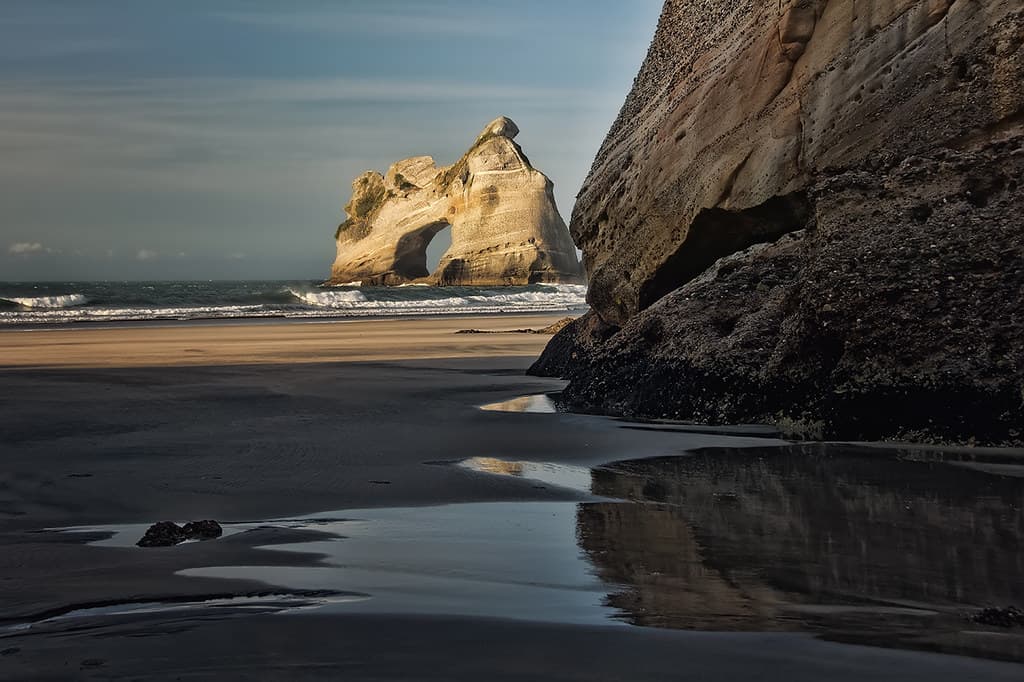
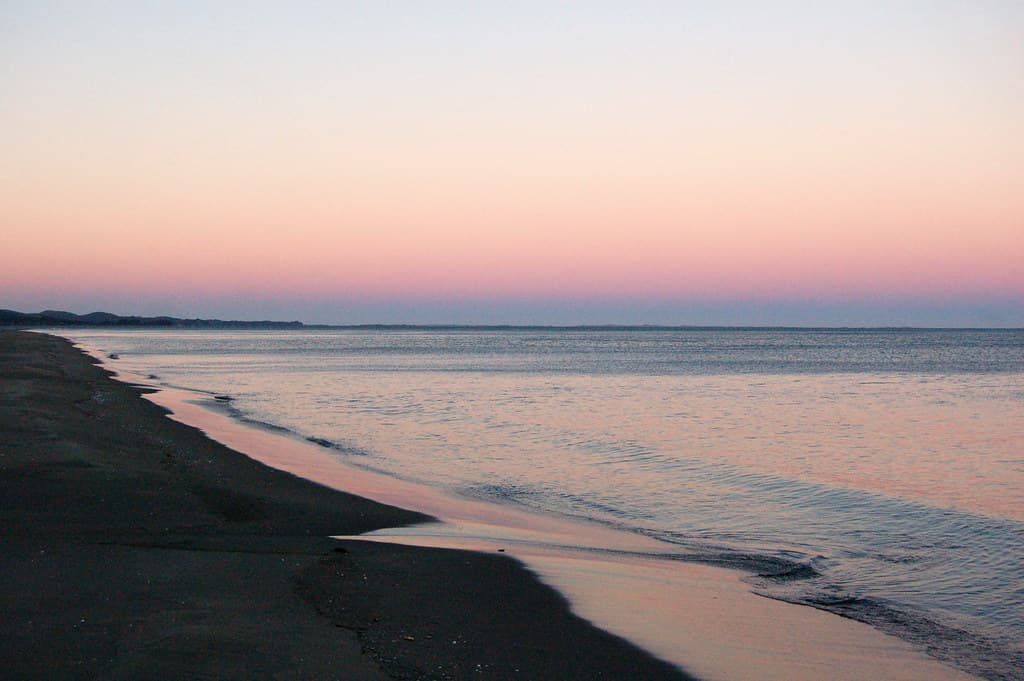
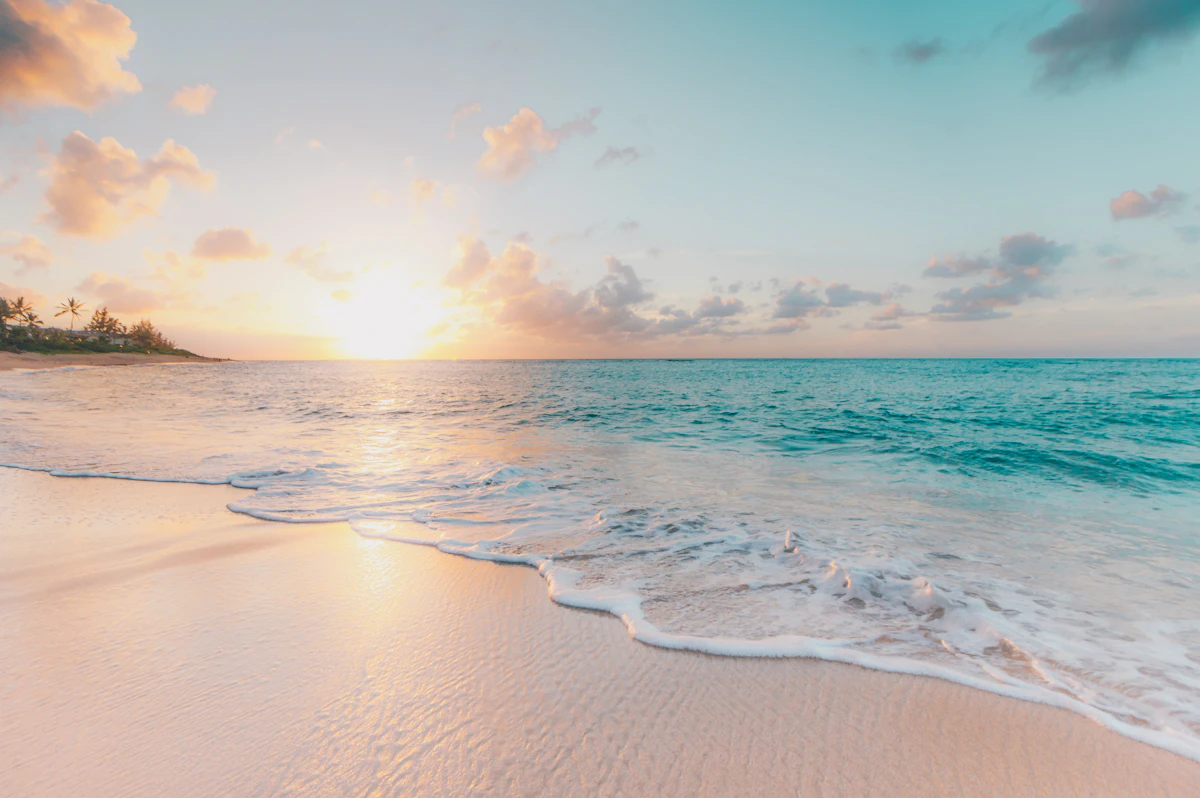
Puponga marks the point where the road essentially gives up, petering out near the base of Farewell Spit. The beach here operates on tidal extremes: at low water, the sand extends so far you lose perspective, channels and pools reflecting the sky in fractal patterns. At high tide, the ocean reclaims its territory, pushing close to the dune grass and driftwood. The exposure is total. Wind arrives unfiltered from the Tasman, carrying salt spray and the cries of seabirds. On clear days, you can trace the spit's golden curve extending northward, a thirty-kilometer arc of sand that marks the boundary between bay and open ocean. The mountains behind Puponga—Knuckle Hill and the Burnett Range—rise abruptly, still holding snow in early summer. Sunset here feels elemental: the sky bleeds across the entire western horizon, turning the wet sand into a mirror and the distant spit into a dark thread stitched between light and water. You'll share the moment with perhaps a handful of others, most of them locals from Collingwood or Takaka who made the drive specifically for this. The isolation isn't accidental—it's earned by distance and gravel roads and the willingness to go just a little farther than necessary.
Places, rentals, tours and events within walking and driving distance of Puponga Beach.
Photos
Swimming at Puponga Beach requires caution due to its location near Farewell Spit and the entrance to Golden Bay. The area can experience strong currents, particularly during tidal changes, and weather conditions can be unpredictable. There are no lifeguard patrols at this remote beach. The expansive tidal flats mean water depth and location change dramatically between low and high tide. Swimming is generally safer during calm weather and incoming tides, but always assess conditions carefully. The beach is better suited for walking, beachcombing, and enjoying the vast coastal scenery. Children should be closely supervised at all times.
Summer months (December-February) offer the most stable weather and warmest temperatures, ideal for extended beach exploration. However, shoulder seasons (March-May and September-November) can be equally rewarding with fewer visitors and dramatic lighting. The beach's expansive tidal flats are best explored during low to mid-tide when vast sand areas are exposed. Late afternoon visits are particularly special for sunset views over the water. Check tide times before visiting to maximize your experience. Winter brings wild weather and solitude for those who enjoy dramatic coastal atmospheres, but come prepared with warm, windproof clothing and check forecasts carefully.
Puponga Beach is located at the far northern end of Golden Bay, approximately 30 minutes' drive from Collingwood and about 2 hours from Takaka. Follow State Highway 60 through Golden Bay, then turn onto Puponga Road near Collingwood. The final stretch involves unsealed roads that can be rough, especially after rain. A standard car can usually access the area in good weather, but drive slowly and carefully on gravel sections. The area is also the gateway to Farewell Spit tours and Wharariki Beach. Parking is informal and limited. The remote location means services are minimal, so plan accordingly.
Puponga itself has very limited services due to its remote location. The nearest township is Collingwood, about 30 minutes away, offering a small general store, cafe, and basic accommodation including a motor camp and motel. For more comprehensive dining and lodging options, Takaka (approximately 2 hours away) is the main service center for Golden Bay with supermarkets, multiple restaurants and cafes, and various accommodation types. Visitors should bring supplies, food, and water when visiting Puponga Beach. The area has some farm stays and remote accommodation options, but these require advance booking and research. Self-sufficiency is essential for visiting this far-north location.
Puponga Beach's distinctive appeal lies in its remote location, vast tidal flats, and proximity to Farewell Spit, a unique geographical feature. The expansive views across constantly changing tidal landscapes create a sense of being at the edge of the world. Low tourism density means you can often enjoy the beach in near-solitude, a rare commodity in popular destinations. The big sky and wide-open spaces offer spectacular sunset viewing and photography opportunities. Its position at the far north of Golden Bay means it requires commitment to reach, filtering out casual visitors. This combination of remoteness, dramatic tidal scenery, and peaceful atmosphere makes it special for those seeking authentic wilderness experiences.