Counting the waves…
Counting the waves…

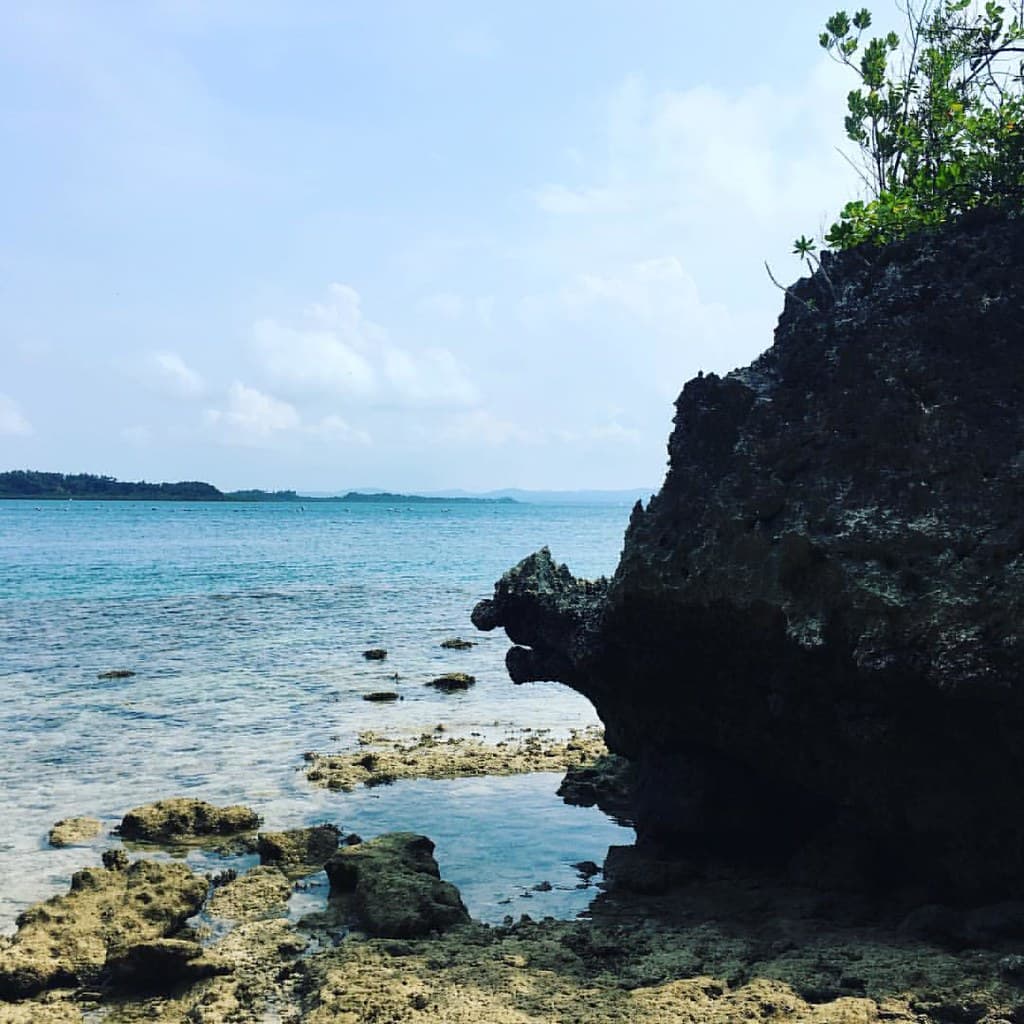
You beach the outrigger on sand the color of wet cardboard, coarser than you expected, embedded with shell fragments and bits of coral rubble that tell the story of the reef that fringes this island. Coconut palms dominate the interior, their trunks leaning seaward at angles shaped by decades of prevailing winds. A handful of nipa huts cluster under the tallest palms—shelter from the sun that arrives with equatorial intensity by noon, turning the sand too hot for bare feet. The water here shows you every mood: milk-tea brown near shore where the sandy bottom stirs up with each wave, then graduating to green, then blue as the depth increases over the reef shelf. At low tide, you can walk out to exposed coral heads and peer into tidal pools where sergeant majors and damselfish wait for the water to return. The island itself supports almost no permanent population—a few caretaker families who tend the coconut groves, harvest the nuts, dry the copra on woven mats in the sun. What strikes you most is the quiet. Not silence—you hear the waves, the palms rattling in the breeze, the occasional call of a tern—but the absence of mechanical sound. No generators, no vehicles, no music bleeding from speakers. Just wind and water and the slow metabolism of an island operating on coconut time. By afternoon, clouds build over the Sierra Madre across the strait, and you watch weather happen at a distance, the play of light and shadow across the mountains like a very slow film.
Places, rentals, tours and events within walking and driving distance of Kalotkot Island Beach.
Photos
Swimming at Kalotkot Island Beach is generally safe during calm weather, with gentle waters typical of the Polillo Islands. However, as this is a low-profile, less-developed island, there are no lifeguards on duty. Check weather conditions before visiting, as waves can pick up during the monsoon season. The seabed is usually sandy with minimal rocks. Always swim during daylight hours and inform your boatman of your plans. If traveling with children, keep them supervised as facilities are basic.
The best time to visit Kalotkot Island Beach is during the dry season from November to May, when seas are calmer and boat travel is safer. March to May offers the sunniest weather, though it can be hot. December to February provides cooler temperatures and fewer crowds, making it ideal for those seeking solitude. Avoid the wet season from June to October when rough seas may prevent boat access and rain can disrupt trips.
Getting to Kalotkot Island requires traveling to Burdeos, Quezon first. From Manila, take a bus to Real, then a boat to Polillo or Burdeos (journey takes 6-8 hours total). From Burdeos town, hire a local outrigger boat (bangka) to reach Kalotkot Island, which takes approximately 30-45 minutes depending on sea conditions. Boat rentals can be arranged through local resorts or at the port. It's advisable to negotiate return transport in advance.
Kalotkot Island has very limited facilities, so most visitors stay in Burdeos town where basic guesthouses and homestays are available. Accommodations are simple but affordable. Bring your own food and water for day trips to the island, as there are typically no vendors or restaurants on-site. Some boat operators can arrange packed meals. In Burdeos, you'll find local eateries (carinderias) serving Filipino dishes and fresh seafood at budget-friendly prices.
Kalotkot Island Beach stands out for its uncommercialised, authentic island experience. Unlike more developed destinations, this hidden beach remains largely untouched by mass tourism, offering genuine solitude and natural beauty. The island maintains a quiet, pristine atmosphere perfect for travelers seeking to escape crowds. Its low-profile status means you'll likely have long stretches of coastline to yourself, making it ideal for peaceful relaxation, beachcombing, and experiencing traditional island life at a slower pace.