Counting the waves…
Counting the waves…
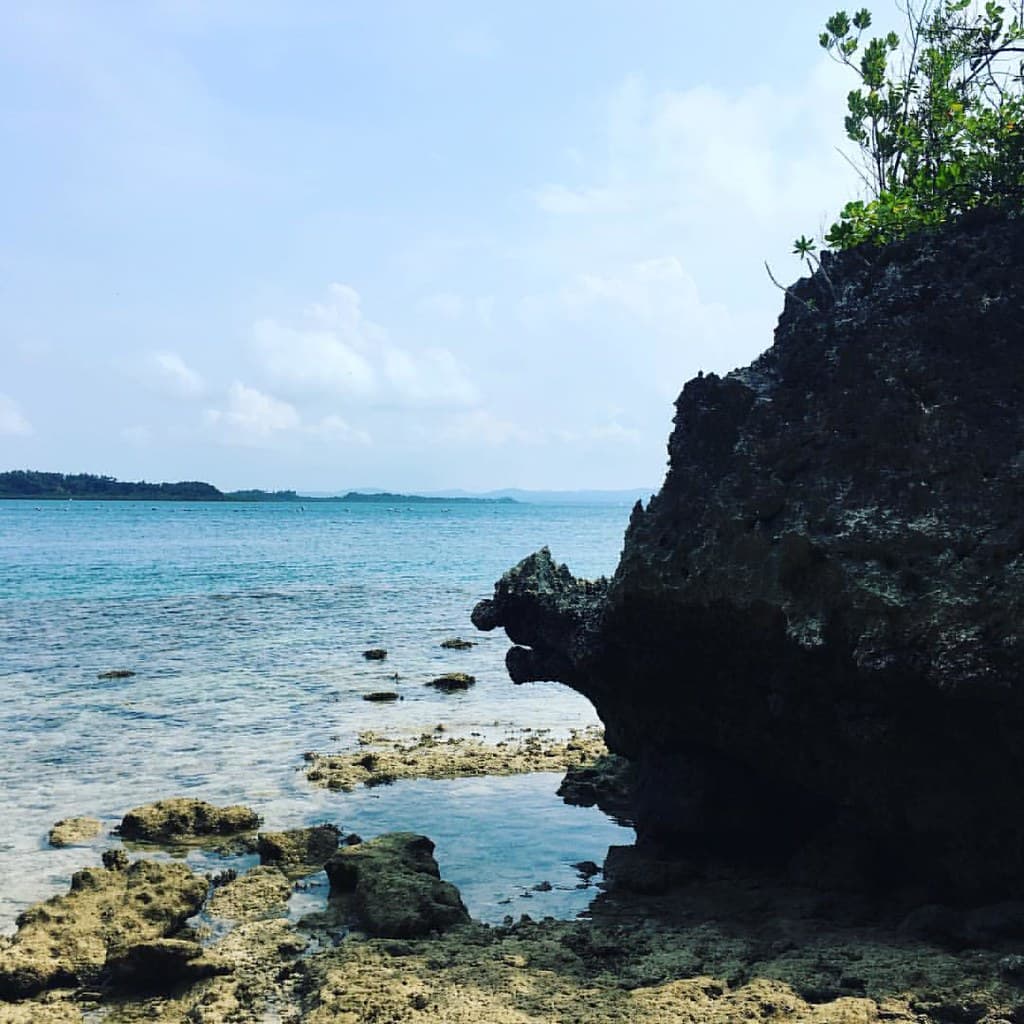
The approach to Malaguinoan reveals what maps miss—the island's windward side features limestone cliffs sculpted by typhoon seasons into overhangs and shallow caves, while the leeward beach spreads in a gentle arc of pale sand. Your boat beaches near a stand of coconut palms, their trunks bent from prevailing winds. The sand underfoot has the fine, powdery texture that sticks to sunscreen and doesn't brush off easily. You walk to the island's northern point where rock formations jut from the shallows like the spine of some ancient creature. Waves have carved the limestone into pockets and tunnels, and at low tide you can wade between them, examining barnacles and small anemones in the trapped pools. The beach curves back toward the interior, where coastal vegetation grows thick—buttonwood, sea hibiscus, wild almond trees dropping leaves the size of dinner plates. Mid-morning light turns the water electric—a band of pale green near shore deepening to emerald where the reef begins. You snorkel along the drop-off, following it as it curves around the island. Schools of fusiliers stream past like silver ribbons. The reef isn't pristine, but it's alive—sea urchins cluster in crevices, damselfish defend their territory, and if you're lucky, an octopus flashes warning colors from its lair. Back on shore, the island remains empty except for your group. An hour passes. Then another. Nobody suggests leaving.
Places, rentals, tours and events within walking and driving distance of Malaguinoan Island Beach.
Photos
Swimming at Malaguinoan Island is generally safe during calm weather and dry season conditions. As an underrated, less-developed island, there are no lifeguards or formal safety services. Swimmers should assess conditions themselves, checking for currents, waves, and weather. The scenic island setting typically features clear waters suitable for swimming when seas are calm. Always swim with companions, inform your boat operator of plans, and avoid swimming during rough weather or monsoon season. Bring basic first aid supplies and ensure your boat crew remains nearby during your visit.
The optimal time to visit Malaguinoan Island is during the dry season from November to May, when weather is stable and seas are calm enough for safe boat travel. March through May offers the driest, sunniest conditions, ideal for beach activities and photography of the scenic landscapes. December to February provides cooler, comfortable temperatures. The island's underrated status means it remains relatively uncrowded even during peak season, though weekdays offer the most peaceful experience. Avoid June to October when monsoon weather can make access challenging.
To reach Malaguinoan Island, first travel from Manila to Burdeos, Quezon (approximately 6-8 hours by bus or private vehicle). From Burdeos port, hire a local outrigger boat or arrange an island-hopping tour that includes Malaguinoan, typically taking 30-60 minutes depending on conditions and departure point. Book boat transport through local operators, your accommodation, or tour agencies in Burdeos. Confirm weather conditions before departure and negotiate return times with your boatman. Group tours may be more economical than private boat hire.
Malaguinoan Island is a small, undeveloped island with no permanent restaurants, stores, or accommodation facilities. Visitors must bring all food, drinking water, and supplies from Burdeos or their base location. Pack adequate provisions for your planned stay, including snacks, water, and sun protection. Most travelers visit as a day trip and stay overnight in Burdeos town where basic hotels and eateries are available. If camping is permitted, bring complete camping equipment and arrange permissions with local authorities beforehand. Always practice leave-no-trace principles.
Malaguinoan Island's underrated status is precisely its appeal, offering scenic beauty without tourist crowds or commercial development. The island features natural landscapes, clear waters, and peaceful surroundings perfect for travelers seeking authentic island experiences. Its scenic qualities provide excellent opportunities for photography, swimming, and relaxation in unspoiled settings. Being less known means more affordable boat access and genuine tranquility. The island serves as an ideal stop during island-hopping adventures, combining accessibility from Burdeos with the charm of undiscovered destinations that reward explorers with pristine natural environments.