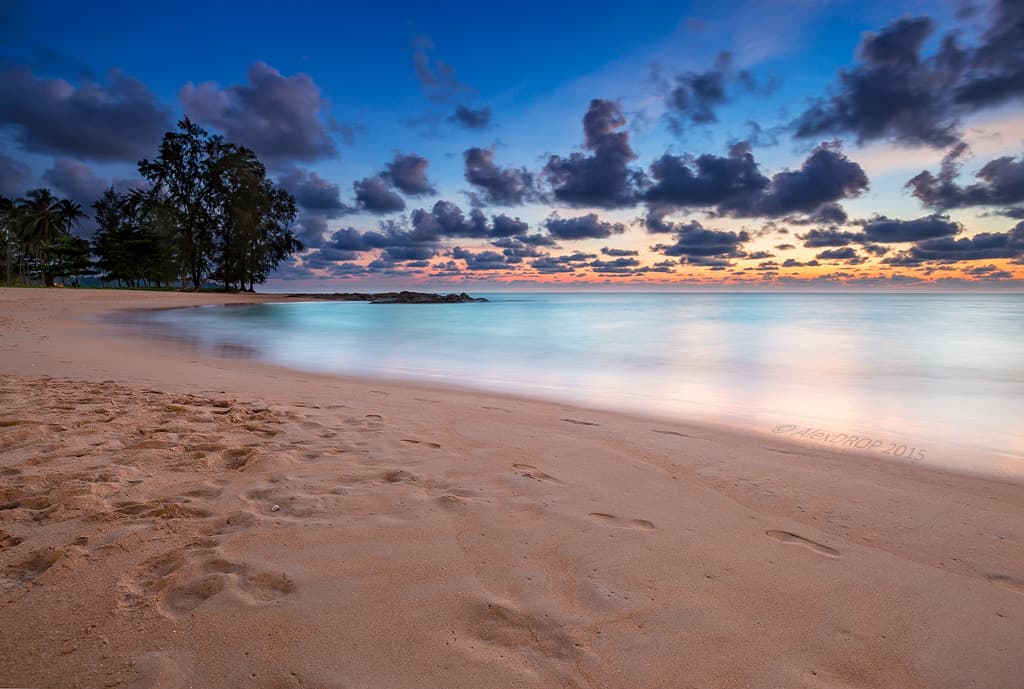
Counting the waves…
Counting the waves…
A refined fusion of water purity, environmental stability, and communal vibrancy for Koh Kho Khao.
View MethodologyAnalyzed via live sensors and environmental data.
Wave height, wind, and atmospheric stability.
Live footfall and crowd balance metrics.
Community reviews and curated sentiment.
“You reach Koh Kho Khao by ferry, and the moment you disembark, the tempo downshifts. Motorbikes idle past, fishing nets dry in yards, and the island's handful of beaches sit mostly empty even in high season.”
Limited recent visitor reports — live OBI telemetry is your best guide for current conditions.
Koh Kho Khao stretches long and narrow, separated from the mainland by a shallow channel that the ferry crosses in twenty minutes. The island supports several small villages where fishing remains the primary economy, and tourists arrive in small enough numbers that their presence barely registers in the daily rhythm. The beaches—there are three main stretches—lie scattered around the perimeter, each accessible by dirt roads that wind through rubber plantations and past wooden houses on stilts. The sand runs pale and fine, the water calm and shallow, and development consists of perhaps a dozen bungalow operations, all small-scale and family-run.
You'll spend your time here in slow motion. Mornings mean walking empty beaches while fishermen sort their night catch on the sand, picking through silver piles of anchovies and squid. The snorkeling off the northern tip improves at high tide when visibility stretches past five meters and the reef fish emerge from the rubble: butterflyfish, triggerfish, the occasional blue-spotted ray gliding over sand patches. Between swims, you retreat to bungalow porches where the breeze moves through without air-conditioning assistance, or rent a scooter to explore dirt tracks that dead-end at mangrove edges and viewpoints overlooking the mainland's forested hills.
 Credit: Unsplash
body of water near green trees during daytime
 Credit: Unsplash
a large body of water surrounded by trees
High-tide visibility improves reef
Dirt roads connect communities
Calm water, sandy bottom
Prime Visitation
Best Weather|Budget Travel
Where it is
Koh Kho Khao
Khao Lak, Phang Nga, Thailand
8.715300°, 98.252600°
Weather
Loading…
Swell
—
Temp
Warm · Restorative
UV Index
Moderate
Wind
—
Tidal State
Last known
Max Sunlight
—
Ideal Shade
—
Jan - Dec (Peak)
May - Nov (Off-season)
Best Weather|Budget Travel
Select a category to load nearby places.
Unlock restaurants, luxury stays and curated maritime experiences within 2km
Swimming at Koh Kho Khao is generally safe during the dry season (November to April) when seas are calm and clear. The island's beaches typically have gentle slopes and soft sand, suitable for most swimmers. However, conditions change significantly during monsoon season (May to October) with strong currents and rough waves making swimming dangerous. There are no lifeguards on the island, so assess conditions independently. Some beaches may have coral or rocks, so water shoes are advisable for protection.
The best time to visit Koh Kho Khao is November through April, offering sunny weather, calm seas, and excellent conditions for beach activities and snorkeling. December to February provides optimal weather but higher accommodation prices. For budget travelers, November and April offer good conditions with lower rates and fewer visitors. The island becomes very quiet during these shoulder months, enhancing the peaceful atmosphere. Avoid May to October when monsoon weather makes boat access difficult and many facilities close.
Koh Kho Khao is reached via boat from the mainland Phang Nga coast. Most visitors take a longtail boat from Tab Lamu Pier or nearby piers, with the journey taking approximately 20-30 minutes. Some resorts arrange private boat transfers for guests. During high season, there may be scheduled boat services, but confirming departure times in advance is essential. The island has no bridge connection. Many visitors arrange transport through their accommodation or tour operators in Khao Lak, which is about 45 minutes from the mainland piers.
Koh Kho Khao offers limited but adequate accommodation, ranging from simple beach bungalows to mid-range eco-resorts. Options are deliberately low-key, maintaining the island's peaceful character. Most resorts have on-site restaurants serving Thai cuisine and fresh seafood, as independent dining options are scarce. Advance booking is recommended, especially during high season. Some accommodations operate on a half-board or full-board basis due to limited alternatives. The island has minimal commercial development, with few shops or facilities outside resort properties.
Koh Kho Khao stands out for its deliberate preservation of tranquility and minimal development, offering an authentic escape from commercialized tourism. The island has no roads suitable for cars, maintaining a peaceful atmosphere with limited motorized transport. It attracts visitors specifically seeking digital detox and natural beauty rather than nightlife or shopping. The island's community-based tourism approach supports local livelihoods while protecting the environment. Excellent snorkeling, pristine beaches, and genuine Thai island life make it special for those prioritizing serenity over amenities.
Photos