Counting the waves…
Counting the waves…
A refined fusion of water purity, environmental stability, and communal vibrancy for Kivalina Beach.
View MethodologyAnalyzed via live sensors and environmental data.
Wave height, wind, and atmospheric stability.
Live footfall and crowd balance metrics.
Community reviews and curated sentiment.
“You'll stand on a slender ribbon of gravel where the Arctic Ocean meets tundra, watching ice floes drift past weathered driftwood. The wind carries salt and the distant bark of sled dogs, while the midnight sun paints…”
Limited recent visitor reports — live OBI telemetry is your best guide for current conditions.
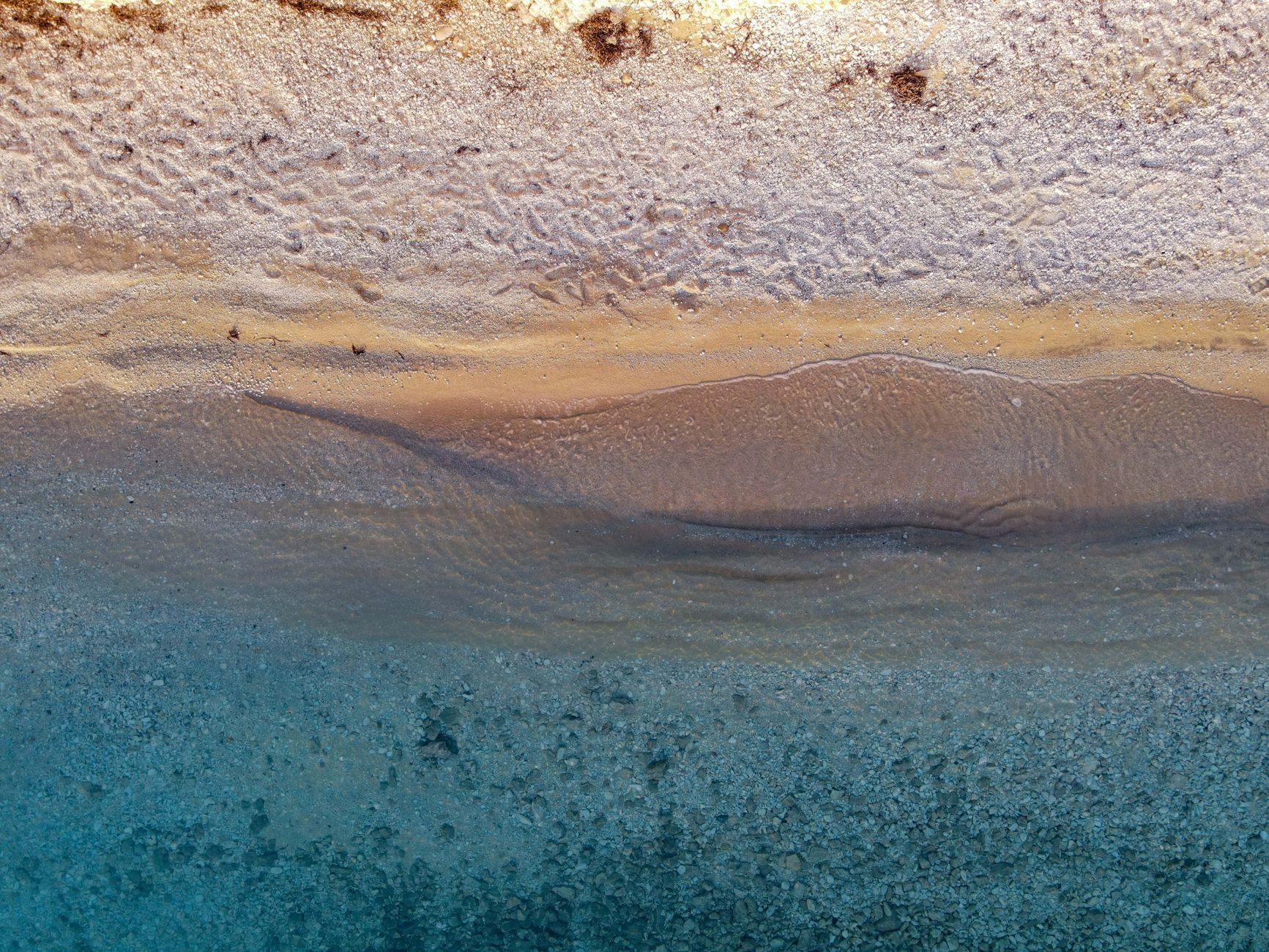
Kivalina sits on a barrier island barely six hundred feet wide and eight miles long, a spit of gravel and sand caught between lagoon and open sea. You'll arrive by small plane—there are no roads connecting this Iñupiat village to the rest of Alaska—and step onto a shoreline that loses another foot of land each year. The beach stretches in both directions, bordered by driftwood logs smoothed gray by salt water and time, some still bearing the tooth marks of ice.
In summer, the Chukchi remains ice-free long enough for you to walk the tide line beneath the midnight sun, searching for rounded beach glass and vertebrae from seals. Elders net tomcod from the shore while children chase sanderlings along the wrack line. Winter brings pack ice that grinds against the island, a slow-motion collision you can hear from inside insulated homes, the groan and crack audible even through double-paned windows.
Capture bergs drifting past driftwood
Eight-mile barrier island traverse
Sample dried whitefish, seal oil
Where it is
Kivalina Beach
Kivalina, Alaska, USA
67.727600°, -164.547600°
Weather
Loading…
Swell
—
Temp
Warm · Restorative
UV Index
Moderate
Wind
—
Tidal State
Last known
Max Sunlight
—
Ideal Shade
—
May - Sep (Peak)
Jan - Dec (Off-season)
Historical data suggests peak visibility and stable sea temperatures occur during the prime visitation window.
Select a category to load nearby places.
Unlock restaurants, luxury stays and curated maritime experiences within 2km
Swimming at Kivalina Beach is generally not recommended due to extremely cold water temperatures year-round, typically ranging from 28-45°F. The Arctic Ocean remains frigid even during summer months, making hypothermia a serious risk within minutes of immersion. Strong currents and unpredictable weather conditions add additional hazards. The beach is better suited for walking, wildlife viewing, and cultural experiences rather than swimming. Visitors should exercise caution near the water's edge and dress appropriately for cold, windy conditions regardless of season.
The most accessible time to visit Kivalina Beach is during summer months (June-August) when temperatures reach 40-55°F and daylight extends up to 24 hours during the midnight sun period. However, winter offers unique experiences like Northern Lights viewing and traditional ice activities. Be prepared for harsh Arctic conditions year-round, including strong winds and rapid weather changes. Spring and fall bring dramatic seasonal transitions with wildlife migrations. Note that severe coastal erosion and climate impacts affect accessibility, so check current conditions before planning your visit.
Kivalina is only accessible by air, requiring a small plane from Kotzebue (approximately 45 minutes) or Nome. There are no roads connecting to mainland Alaska. The village has a small airstrip, and the beach is within walking distance of the community. Traditional parking infrastructure doesn't exist in this remote barrier island village of roughly 400 residents. Most visitors arrange trips through Alaska Airlines to Kotzebue, then charter flights via local air services. Advance planning and weather flexibility are essential, as flights frequently face delays.
Kivalina has extremely limited visitor amenities. There are no hotels, restaurants, or commercial lodging facilities in this small Iñupiat village. Visitors typically arrange homestays with local families or secure accommodation through community contacts made well in advance. The village has a small store with basic supplies, but prices are significantly higher than mainland Alaska. There are no restaurants or beach facilities. Visitors should bring all necessary supplies, food, and camping gear if appropriate. Respect for the local community and advance coordination are essential for any visit.
Kivalina Beach sits on a narrow barrier island facing severe erosion due to climate change impacts. Reduced sea ice, which historically protected the shoreline from storm waves, combined with permafrost thawing and increased storm intensity, causes the island to lose several feet annually. The U.S. Army Corps of Engineers has identified Kivalina as one of Alaska's most imperiled communities, with potential complete erosion within decades. The village is exploring relocation options, making this a significant example of climate change's immediate impacts on Indigenous Arctic communities and coastal geography.