Counting the waves…
Counting the waves…
A refined fusion of water purity, environmental stability, and communal vibrancy for Cape Krusenstern Beach.
View MethodologyAnalyzed via live sensors and environmental data.
Wave height, wind, and atmospheric stability.
Live footfall and crowd balance metrics.
Community reviews and curated sentiment.
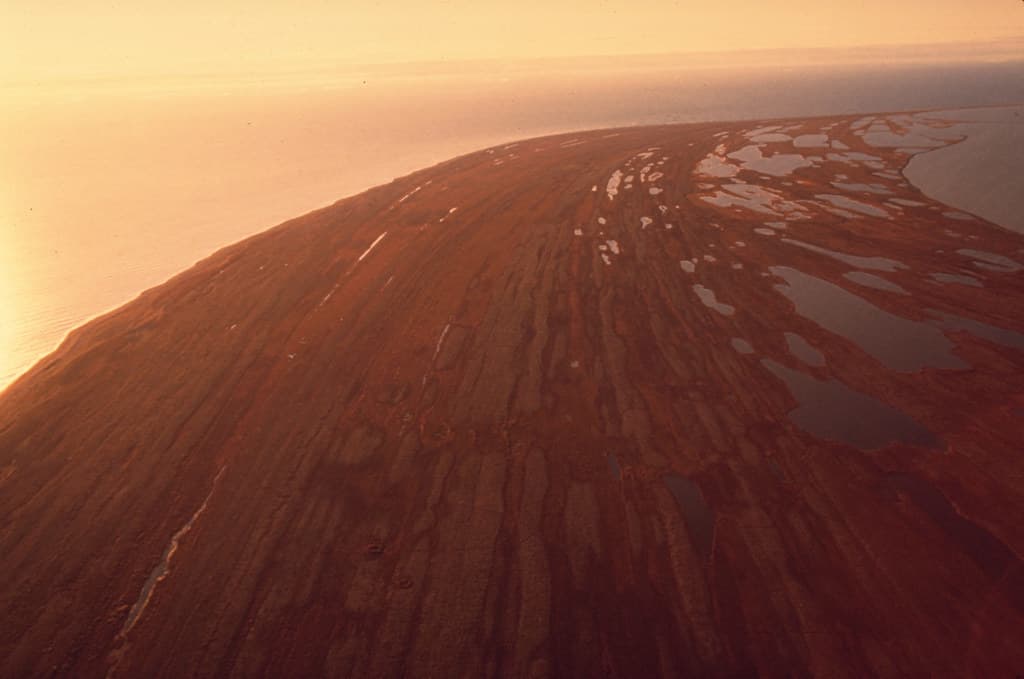
“You reach Cape Krusenstern by bush plane, landing on tundra where 114 ancient beach ridges ripple inland like fossilized waves. The air smells of salt spray and wet stone; beneath your boots, caribou moss cushions each…”
Limited recent visitor reports — live OBI telemetry is your best guide for current conditions.
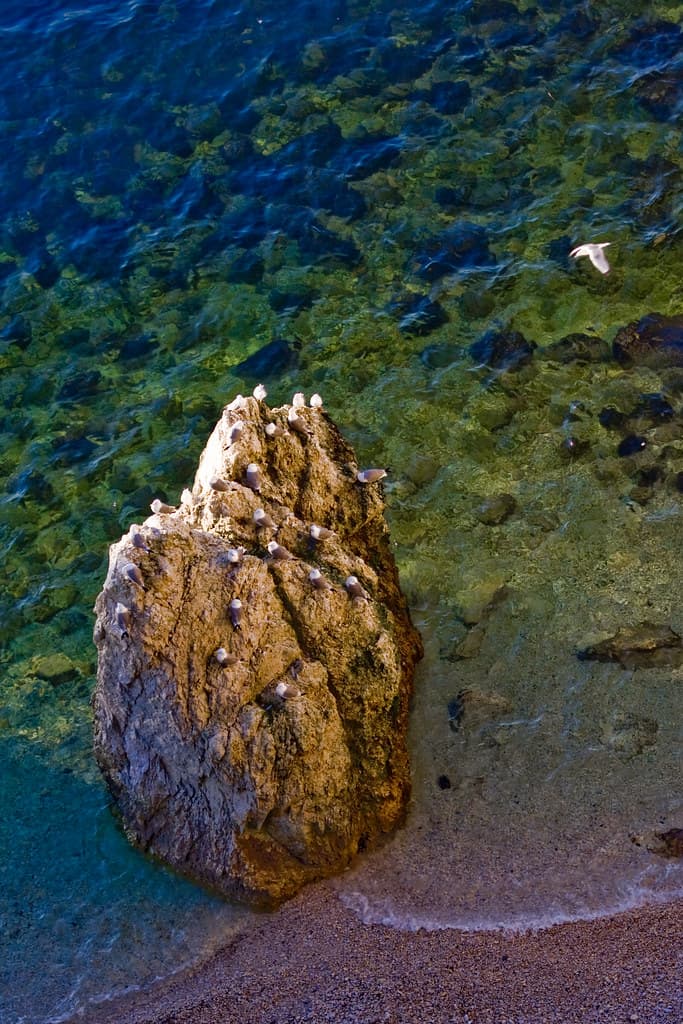
The Chukchi Sea laps against graphite-colored gravel at Cape Krusenstern, where each ridge of beach tells a chapter in Arctic archaeology. You walk among limestone outcrops and driftwood bleached silver by endless summer light, tracing the shoreline that once welcomed Inupiaq hunters tracking bowhead whales and bearded seals. The wind never stops here—it carries the scent of kelp and tundra flowers in brief July warmth, and the cry of Arctic terns diving for fish in shallows the color of slate.
This isn't a beach for swimming or sunbathing. You come to witness geology in action, to understand how storm surges and sea ice have built 114 parallel ridges over millennia, each preserving tools, hearths, and stories of the people who lived here. The National Park Service protects this landscape, but you'll likely see only researchers and the occasional subsistence hunter. Temperatures hover near fifty degrees even in summer; pack layers and prepare for solitude.
Credit: FlickrRidge Walking
Trace ancient beach formations inland
Photograph seals and migratory birds
Study tool scatter sites respectfully
Where it is
Cape Krusenstern Beach
Kotzebue, Alaska, USA
67.070800°, -163.759800°
Weather
Loading…
Swell
—
Temp
Warm · Restorative
UV Index
Moderate
Wind
—
Tidal State
Last known
Max Sunlight
—
Ideal Shade
—
May - Sep (Peak)
Jan - Dec (Off-season)
Historical data suggests peak visibility and stable sea temperatures occur during the prime visitation window.
Select a category to load nearby places.
Unlock restaurants, luxury stays and curated maritime experiences within 2km
Swimming at Cape Krusenstern Beach is not recommended and rarely practiced. The waters of the Chukchi Sea are extremely cold year-round, typically ranging from 32-45°F, making hypothermia a serious risk within minutes. Strong currents and unpredictable Arctic conditions add to the danger. Visitors come here primarily for wildlife viewing, beachcombing, and experiencing the remote Arctic landscape rather than water activities. If you do wade, wear appropriate cold-weather gear and never go alone.
The most accessible time to visit Cape Krusenstern is June through August, when temperatures reach 45-65°F and there's 24-hour daylight. This period offers the best weather for exploring the beach and witnessing wildlife migrations. However, winter visits are possible for experienced Arctic travelers seeking solitude and northern lights viewing. Be prepared for rapidly changing weather any time of year. Note that this is a remote national monument with no facilities, so plan accordingly regardless of season.
Cape Krusenstern is extremely remote and accessible only from Kotzebue. There are no roads—you must arrange a chartered flight, boat, or snowmobile depending on the season. Most visitors fly commercially to Kotzebue from Anchorage, then hire local air taxis or boat operators to reach the monument. There is no parking or infrastructure at the beach itself. Contact the Northwest Arctic Heritage Center in Kotzebue before your trip to arrange transportation and obtain current conditions and guidance.
Cape Krusenstern Beach has absolutely no amenities, facilities, restaurants, or lodging. This is pristine, undeveloped wilderness within a national monument. Visitors must be completely self-sufficient, bringing all food, water, camping equipment, and emergency supplies. Kotzebue, approximately 10-15 miles away, offers hotels, restaurants, and basic services where you should base yourself. Experienced backcountry camping is required if staying overnight at the beach. Always inform someone of your plans and carry satellite communication devices.
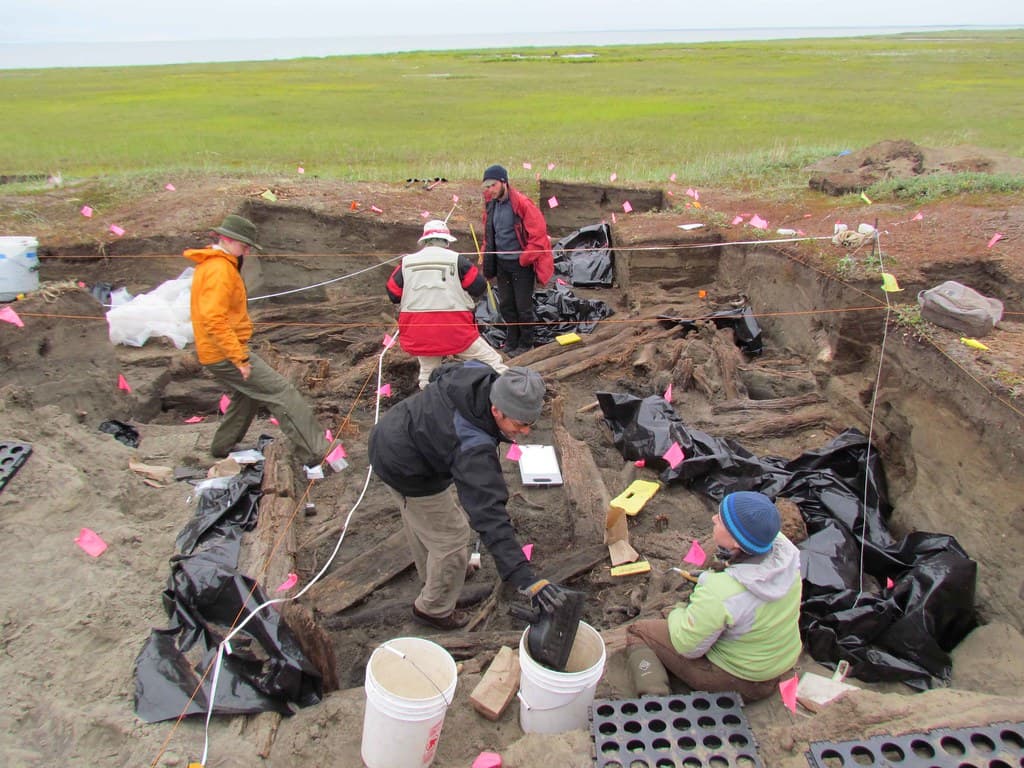
Cape Krusenstern National Monument contains over 114 beach ridges representing 9,000 years of continuous human habitation, making it one of North America's most significant archaeological landscapes. However, all archaeological sites and artifacts are strictly protected by federal law. Visitors can observe the distinctive ridge formations from a distance but must not disturb or remove anything. The Northwest Arctic Heritage Center in Kotzebue offers exhibits explaining the area's cultural significance and proper etiquette for respectful visits to this sacred landscape.
Photos