Counting the waves…
Counting the waves…
A refined fusion of water purity, environmental stability, and communal vibrancy for Kivalina Lagoon Beach.
View MethodologyAnalyzed via live sensors and environmental data.
Wave height, wind, and atmospheric stability.
Live footfall and crowd balance metrics.
Community reviews and curated sentiment.
“You'll arrive by small plane to this Iñupiaq village beach where bone-white driftwood logs pile against gravel shores and sea ice glows blue in the distance. The wind carries salt and the faint scent of crowberries from…”
Limited recent visitor reports — live OBI telemetry is your best guide for current conditions.
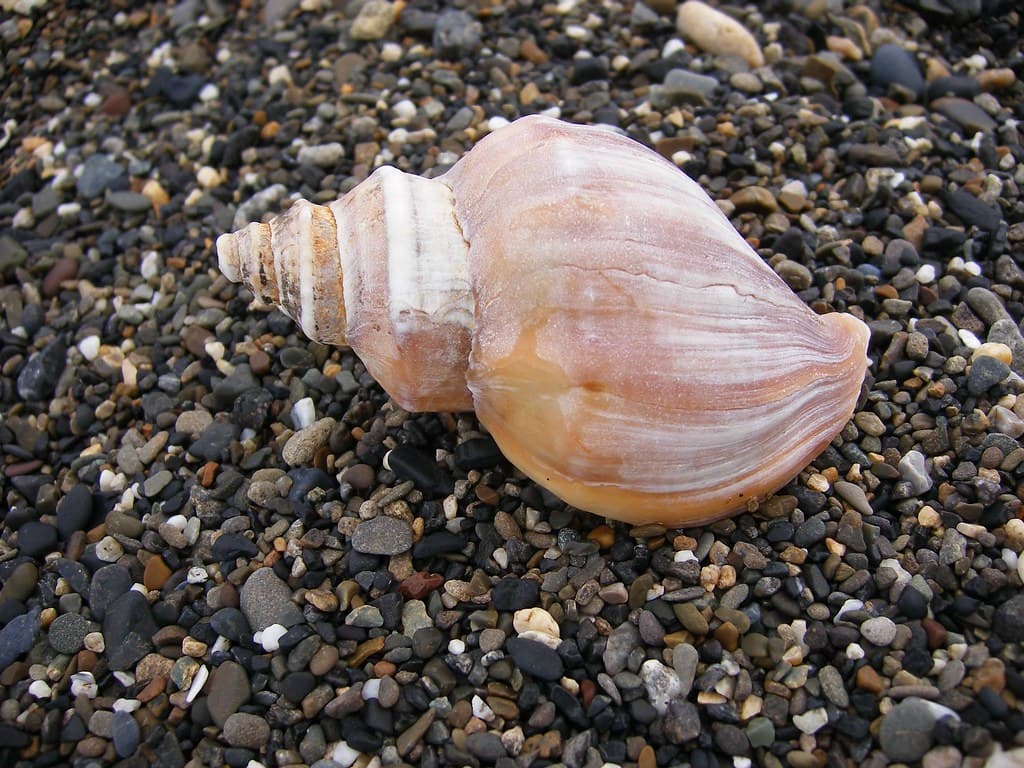
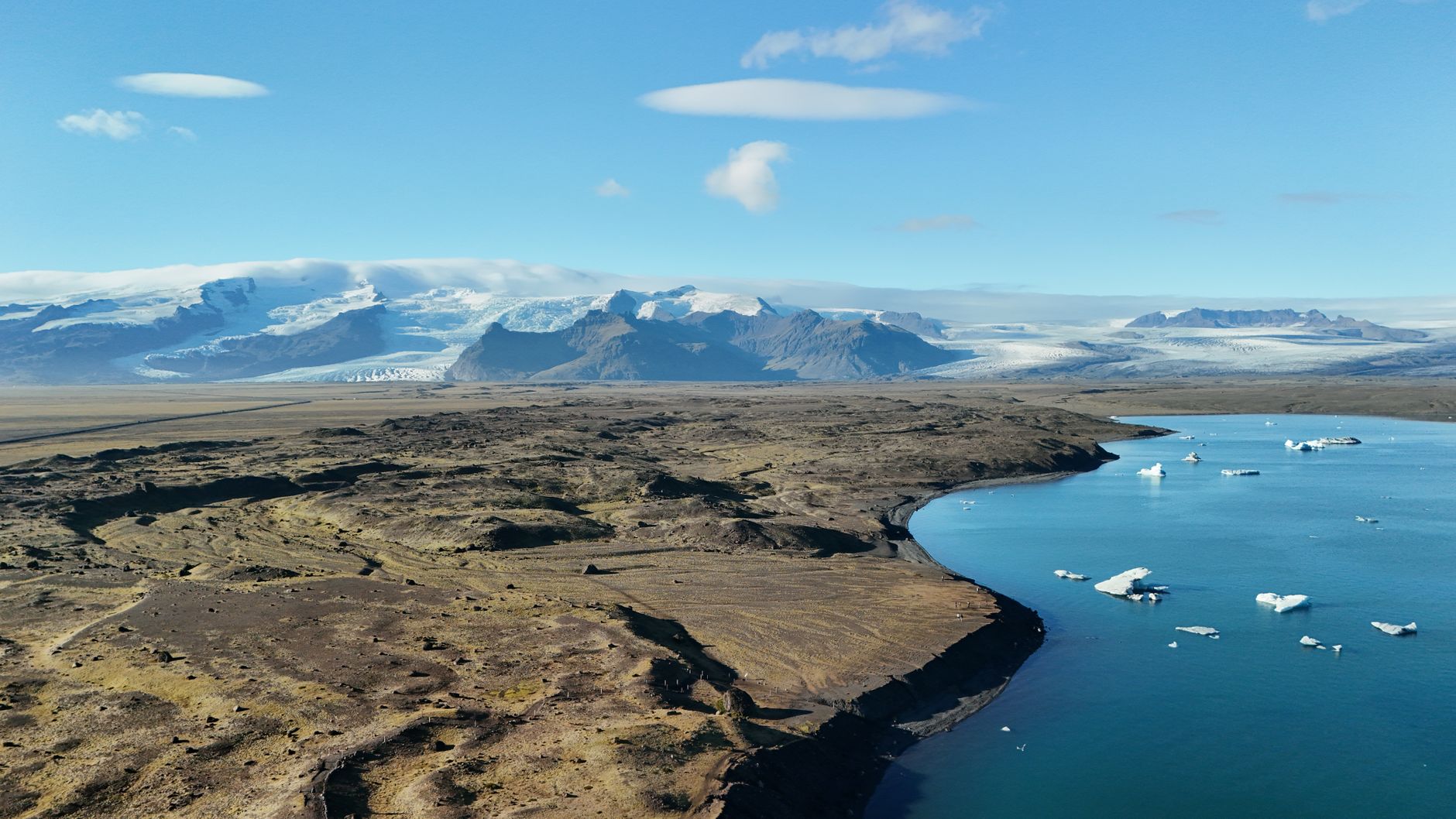
Kivalina sits on an eight-mile-long barrier island barely wider than a few hundred yards, squeezed between the cold Chukchi Sea and the calmer waters of Kivalina Lagoon. You'll walk beaches strewn with bleached driftwood that traveled thousands of miles downriver from interior forests, deposited here by currents and storms. The gravel crunches underfoot, dark and speckled, while Arctic terns wheel overhead and bearded seals occasionally surface in the lagoon's steel-gray water.
The light here behaves differently than anywhere else you've been. During summer's endless daylight, the midnight sun casts long amber beams across the tundra and water. In winter's prolonged twilight, the sky shifts through gradients of violet and indigo, occasionally ignited by northern lights that ripple green and magenta above the frozen sea. The temperature keeps most swimmers away—even in July, the Chukchi hovers near forty degrees—but the visual drama more than compensates.
Credit: PexelsArctic Light Photography
Credit: PexelsBarrier Island Walk
Midnight sun and driftwood compositions
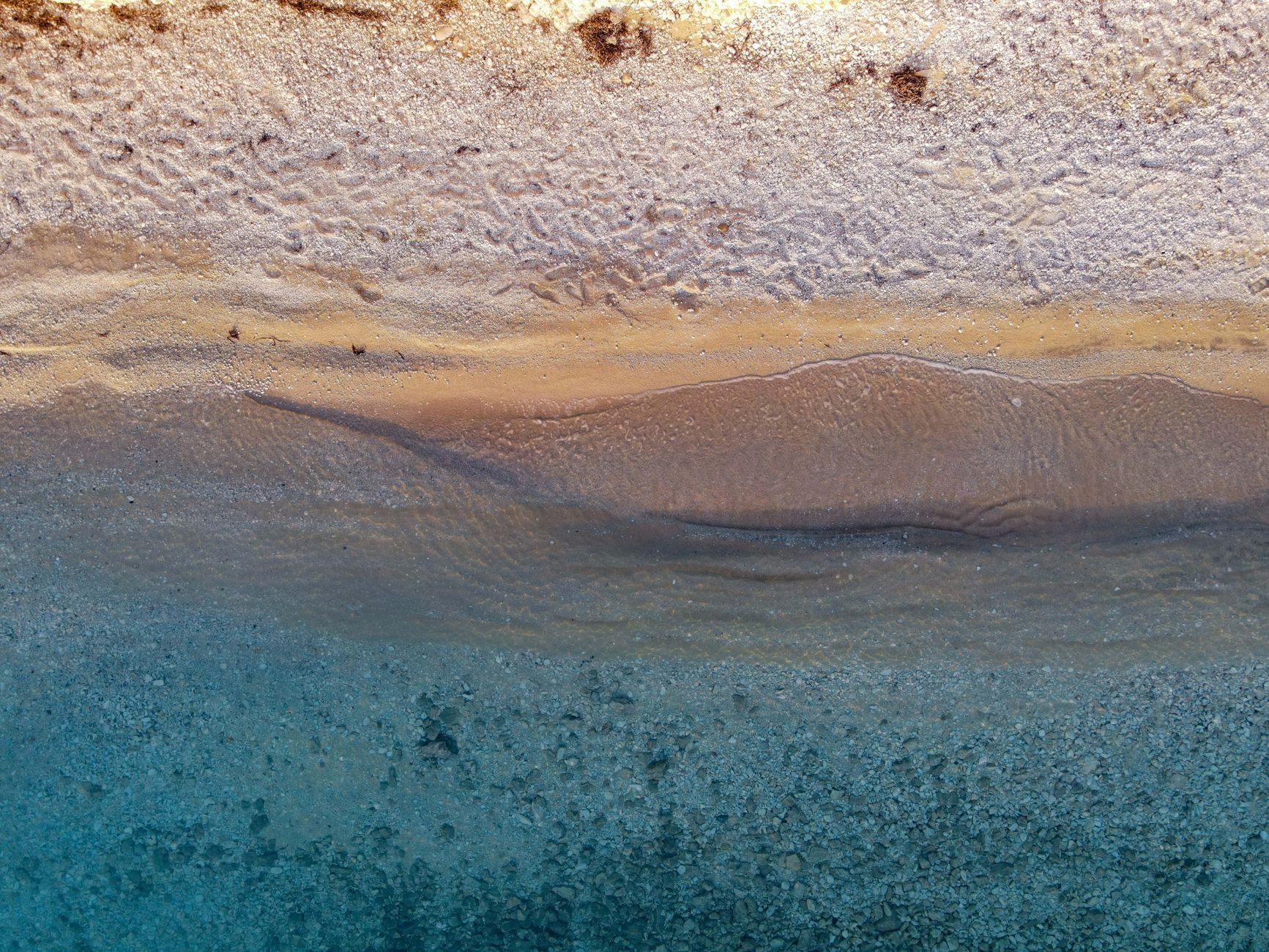
Eight miles of gravel shoreline
Seals, terns, and shore birds
Where it is
Kivalina Lagoon Beach
Kivalina, Alaska, USA
67.722800°, -164.534100°
Weather
Loading…
Swell
—
Temp
Warm · Restorative
UV Index
Moderate
Wind
—
Tidal State
Last known
Max Sunlight
—
Ideal Shade
—
May - Sep (Peak)
Jan - Dec (Off-season)
Historical data suggests peak visibility and stable sea temperatures occur during the prime visitation window.
Select a category to load nearby places.
Unlock restaurants, luxury stays and curated maritime experiences within 2km
Swimming at Kivalina Lagoon Beach is generally not recommended due to extremely cold water temperatures year-round, typically ranging from 32-45°F even in summer. The Arctic waters pose serious hypothermia risks within minutes of immersion. Strong currents and unpredictable weather conditions add additional hazards. The beach is better suited for walking, wildlife observation, and photography. If you plan to be near the water, dress in layers with windproof clothing and always inform locals of your plans, as this remote location has limited emergency services.
The most accessible time to visit Kivalina Lagoon Beach is during the brief Arctic summer from June through August, when temperatures reach 40-55°F and there's continuous daylight. However, winter visits offer unique experiences like the Northern Lights and traditional ice activities. The barrier island location means weather can change rapidly year-round, with strong winds common. Spring and fall bring spectacular bird migrations. Keep in mind that Kivalina is a small Iñupiaq village with limited visitor infrastructure, so plan accordingly regardless of season.
Kivalina is accessible only by air or, seasonally, by boat—there are no roads connecting it to other communities. Small aircraft from Kotzebue (80 miles south) provide regular service, with flights typically taking 30-40 minutes. Once in the village, everything is within walking distance, and parking isn't a concern as there are very few vehicles. The beach is a short walk from the village center on this narrow barrier island. Always coordinate travel plans with local contacts, as weather frequently disrupts flight schedules in this remote Arctic location.
Kivalina is a small subsistence village with extremely limited visitor amenities. There are no hotels, restaurants, or formal lodging facilities. Visitors typically arrange homestays with local families in advance through community contacts or regional organizations. The village has a small store with basic supplies, but prices are very high due to remote location. It's essential to bring most food and supplies with you. There are no developed beach facilities like restrooms or showers. Respectful advance planning and community permission are crucial before visiting this traditional Iñupiaq community.
Kivalina sits on a narrow barrier island that's severely threatened by climate change impacts. Reduced sea ice, which historically protected the shoreline from storm surges, combined with thawing permafrost and more frequent severe storms, has caused dramatic coastal erosion. The village loses several feet of beach annually, threatening homes and infrastructure. Kivalina has been identified as one of Alaska's most imperiled communities, with relocation being seriously considered. This makes the beach both scenically significant and a stark example of climate change's real-world impacts on Indigenous Arctic communities.
Photos