Counting the waves…
Counting the waves…

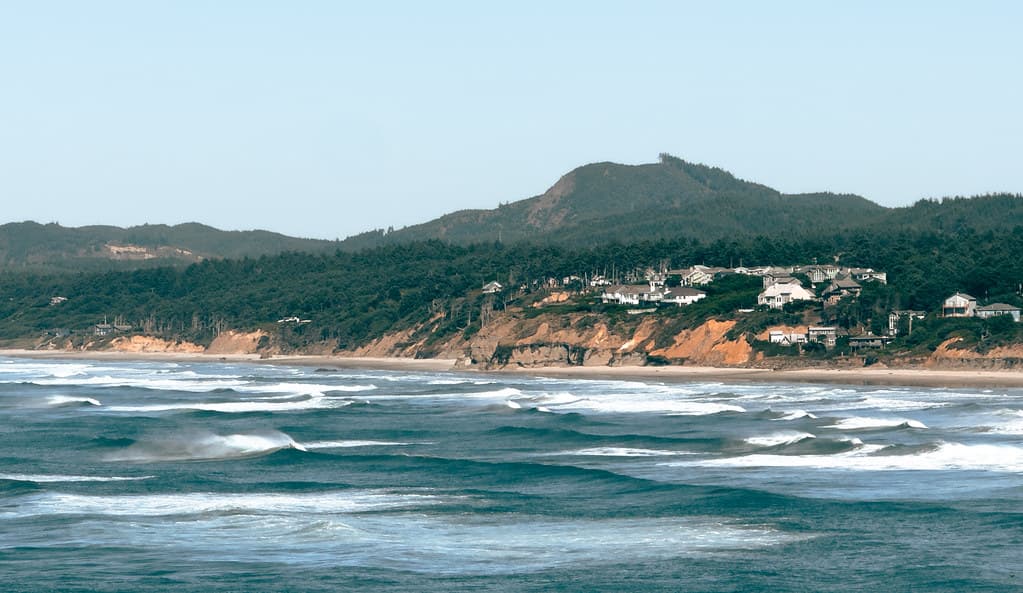
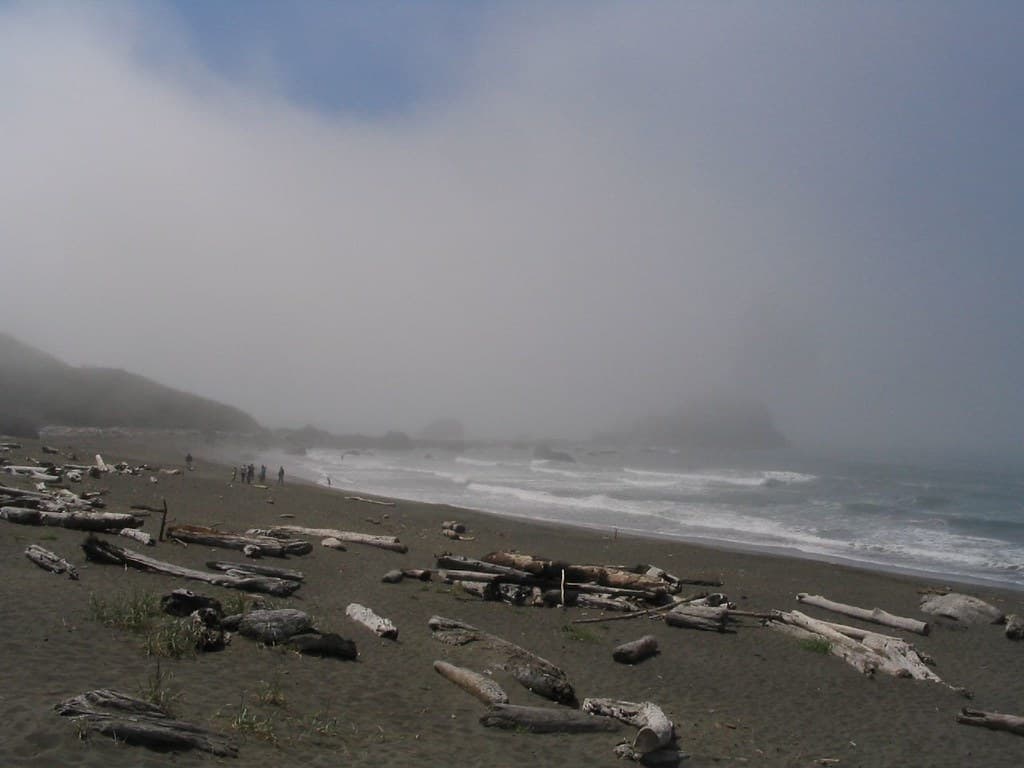
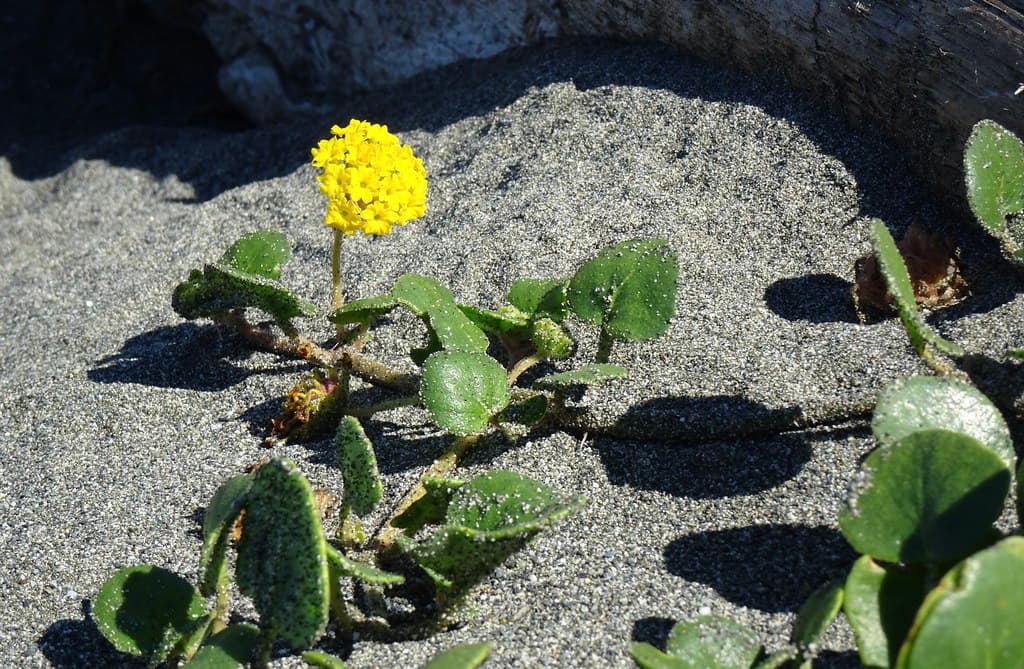
Gold Bluffs Beach unfolds where the shaggy coastal mountains of Prairie Creek Redwoods State Park surrender to the Pacific. You'll navigate a narrow, unpaved access road that hairpins past thousand-year-old Sitka spruce, their roots clutching sandy soil just yards from the surf zone. The beach itself stretches north in a long, muscular arc—wide enough at low tide to feel like the edge of the continent, narrow enough at high water that waves lick the base of the tawny bluffs. Roosevelt elk, some bulls weighing 1,000 pounds, wander the dunes and beach grass as casually as house cats. You'll spot them silhouetted against the ocean at dawn, steam rising from their nostrils, or bedded down in the marram grass by midday. The sand is coarse and grey-gold, littered with kelp bulbs, razor clam shells, and entire trees stripped silver by saltwater. Sneaker waves are real here—the surf is cold, muscular, and unforgiving. Fern Canyon lies just inland, a emerald slot canyon where five-finger ferns drip from 50-foot walls. But it's the collision of ecosystems—temperate rainforest pressed against cold ocean—that makes Gold Bluffs feel like nowhere else on the California coast. Come prepared for wind, for solitude, and for the strange beauty of a place that refuses to choose between forest and sea.
Places, rentals, tours and events within walking and driving distance of Gold Bluffs Beach.
Photos
Swimming at Gold Bluffs Beach is generally not recommended due to cold water temperatures (typically 50-55°F year-round), strong currents, and unpredictable waves. There are no lifeguards on duty. The beach is better suited for wading, tidepooling, and beachcombing. Sneaker waves—unexpectedly large waves that can sweep people off their feet—are a serious hazard along the Northern California coast. Visitors should never turn their back on the ocean and maintain a safe distance from the surf. The beach excels as a scenic destination rather than a swimming spot.
Gold Bluffs Beach is accessible year-round, with each season offering unique appeal. Summer (June-August) brings the most stable weather with less fog, though mornings can still be misty. Fall offers clearer skies and dramatic sunsets. Winter and spring deliver impressive storm-watching opportunities and vibrant green hillsides, but expect rain and muddy trails. The coastal climate is cool year-round, with temperatures typically ranging from 50-65°F. Regardless of season, dress in layers and bring windproof clothing, as conditions can change quickly along this rugged coastline.
Gold Bluffs Beach is located within Prairie Creek Redwoods State Park, accessible via Davison Road, an unpaved road off Highway 101 near Orick, California. The road is approximately 8 miles long and not recommended for RVs or trailers over 24 feet due to narrow conditions. A day-use parking area is available at the beach. There's a fee to enter the park. The drive takes you through scenic coastal forest before reaching the beach. Check current road conditions before visiting, as winter storms can occasionally cause temporary closures or rough driving conditions.
Gold Bluffs Beach has limited amenities. There's a primitive campground (Fern Canyon Trail campground) near the beach with basic restrooms but no showers or hookups. No food services or stores are available at the beach itself. The nearest town, Orick, is about 8 miles away and offers limited dining and supplies. For more extensive services, including restaurants, groceries, and hotels, you'll need to travel to Trinidad (30 miles south) or Eureka (45 miles south). Visitors should bring their own food, water, and supplies for a beach visit.
Yes, Gold Bluffs Beach is famous for Roosevelt elk sightings, particularly in the grasslands and bluffs adjacent to the beach. These majestic animals often graze near the coastal prairie and are commonly spotted throughout the year, especially in early morning and late afternoon. Maintain a safe distance of at least 50 yards—elk can be unpredictable and dangerous, particularly during fall rutting season and spring calving. Never approach, feed, or attempt to photograph elk at close range. The combination of dramatic coastline, towering bluffs, and wildlife makes this beach truly unique.