Counting the waves…
Counting the waves…

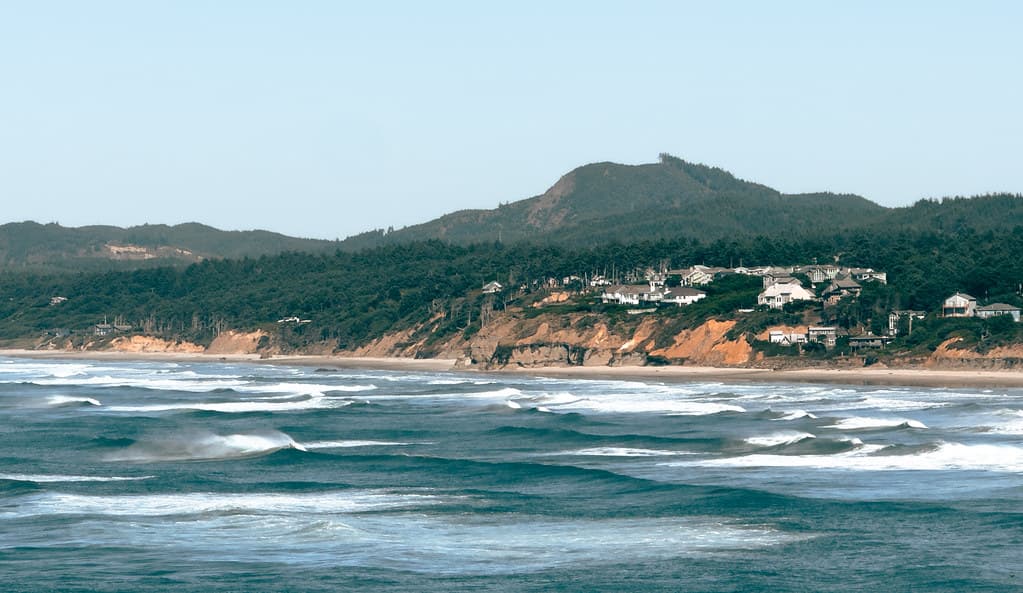
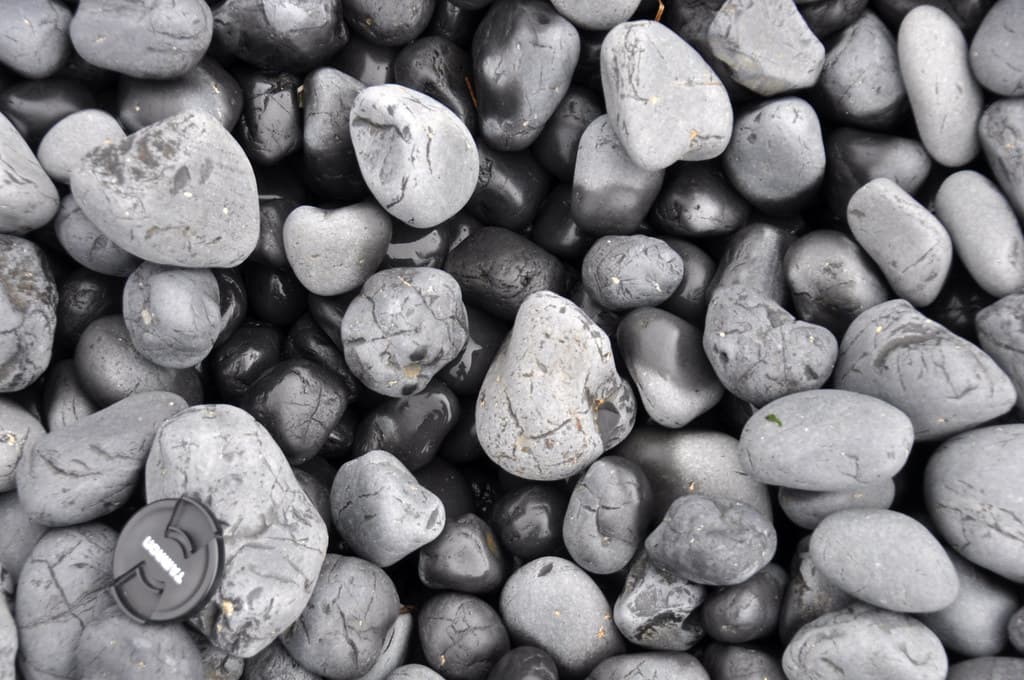
The staircase down from the parking pullout deposits you onto a narrow beach where the surf has been sorting stones for millennia. Your eyes adjust to the kaleidoscope underfoot: jade-green serpentine, rust-streaked jasper, milk-white quartz, and the namesake agates ranging from thumbnail-sized to palm-filling. The tide retreats twice daily to reveal tide pools stippled with ochre sea stars and purple urchins, while gray whales breach offshore during their spring and winter migrations. Above the beach, the Sue-meg village site—a Yurok ancestral place—reminds you this coastline has drawn people for thousands of years. Now a state park day-use area, the headland offers picnic tables where you can watch Roosevelt elk browse the coastal scrub, their tawny coats blending into the tawny grasses. Gulls wheel overhead, and the air tastes of salt and redwood sap carried down from the forests that begin just a mile inland. The beach empties out by late afternoon even in summer, when fog rolls in and softens the edges of offshore rocks. You'll want sturdy shoes for the rocky shore, layers for the unpredictable weather, and a small bag for the stones that will inevitably follow you home—California law permits collecting a few pounds per person. Low tide exposes the widest stretch of hunting ground, and winter storms replenish the supply.
Places, rentals, tours and events within walking and driving distance of Agate Beach.
Photos
Swimming at Agate Beach is generally not recommended due to cold water temperatures, strong currents, and unpredictable waves typical of California's North Coast. The beach is better suited for beachcombing, tide pooling, and wildlife watching rather than swimming. If you do wade in, stay close to shore and never turn your back on the ocean. Sneaker waves can occur without warning. The rocky coastline and driftwood also present hazards. Always check tide tables and weather conditions before visiting, and supervise children closely near the water.
Agate Beach can be visited year-round, with each season offering different experiences. Winter and early spring (December-March) are ideal for agate hunting and beachcombing, as storms expose new stones and sea glass. Summer brings milder weather and better wildlife viewing opportunities, including migrating whales (April-May and November-December). Fog is common in summer mornings. For the clearest weather and comfortable temperatures, visit in fall (September-October). Low tide periods are best for exploring tide pools and searching for agates, regardless of season.
Agate Beach is located just south of Trinidad, off Highway 101 in Northern California. Take the Seawood Drive exit from Highway 101 and follow signs toward the Trinidad State Beach parking area. There's a small parking lot available, but it can fill quickly during peak times. The beach access involves a short but steep trail down to the sand. The path can be slippery, especially after rain, so wear sturdy footwear. Parking is typically free, and the beach is part of Trinidad State Beach system.
The nearby town of Trinidad, just minutes away, offers several dining options including seafood restaurants and cafes. Popular choices include Larrupin Cafe and Trinidad Bay Eatery. For lodging, Trinidad has bed and breakfasts, vacation rentals, and small inns like the Trinidad Inn and Trinidad Bay B&B. More extensive amenities, including hotels, grocery stores, and chain restaurants, are available in Arcata (15 miles south) and McKinleyville (10 miles south). There are no facilities directly at Agate Beach itself, so plan accordingly.
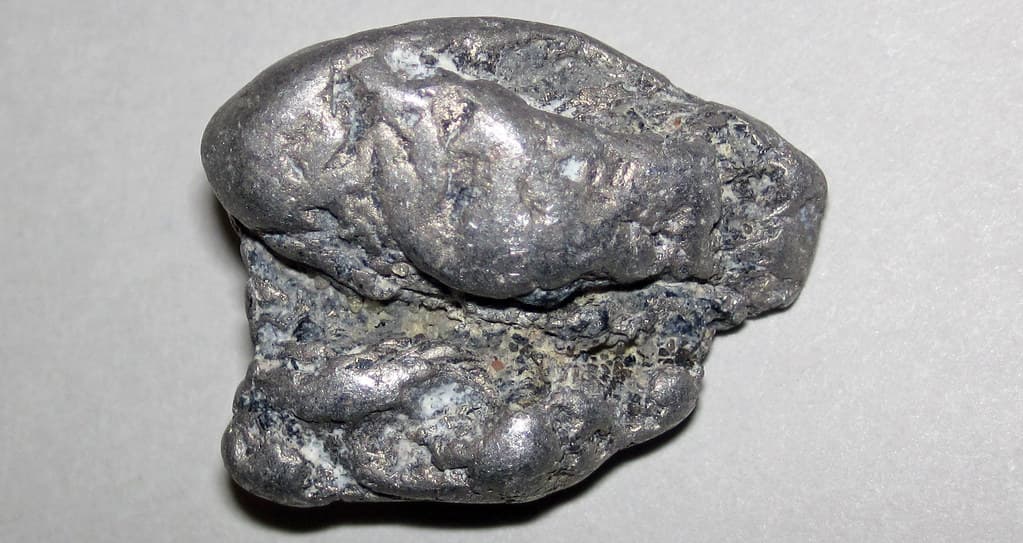
Agate Beach is famous for semi-precious stones including agates, jasper, and jade that wash up on shore, particularly after winter storms. Look for smooth, translucent stones in reds, oranges, and browns—agates often glow when held up to light. You'll also find sea glass, driftwood, and interesting shells. The best hunting is during low tide and after storms when new materials are exposed. Bring a small bag or bucket for collecting. While beachcombing is allowed, remember that Trinidad State Beach has regulations, so collect responsibly and leave living creatures in tide pools undisturbed.