Counting the waves…
Counting the waves…

The beach unfolds beneath towering sitka spruce and Douglas fir, a half-mile arc of coarse sand flanked by house-sized sea stacks draped in rust-colored kelp. You descend a wooden staircase through tangled salal and sword fern, stepping onto a shore where the wind never quite stops. Driftwood logs—some thick as station wagons, bleached bone-white by salt and sun—form a jagged barricade between forest and tide. Surfers paddle out year-round, their black wetsuits bobbing beyond the break as swells roll in from the Aleutians. The waves here are moody and consistent, best on a southwest swell when the offshore morning wind grooms the faces. Between sets, harbor seals surface near the rocks, their dog-like heads tracking your movements with indifferent curiosity. The water temperature hovers in the low fifties, even in August. After storms, you'll walk the tide line hunting for the beach's namesake stones—cloudy quartzes and jade-green serpentines worn smooth by centuries of tumbling. Locals arrive at dawn with coffee thermoses and canvas bags, eyes trained on the fresh wrack. The town of Trinidad perches just above on the bluff, a scattering of Victorian cottages and seafood shacks where fishing boats still unload Dungeness crab at the harbor a mile south.
Places, rentals, tours and events within walking and driving distance of Moonstone Beach.
Photos
Moonstone Beach has strong currents, cold water temperatures year-round (typically 50-55°F), and unpredictable waves, making swimming hazardous even for experienced swimmers. Most visitors wade in the shallows or enjoy beachcombing instead. Surfers frequent the beach but should have experience with Northern California's challenging conditions. There are no lifeguards on duty. Sneaker waves—unexpected large waves that can sweep people off rocks and beaches—are a serious concern along this coastline. Always watch the ocean, never turn your back to the waves, and keep children close.
Moonstone Beach is accessible year-round, with each season offering different experiences. Summer (June-August) brings the most stable weather with morning fog clearing to sunny afternoons, though water remains cold. Spring and fall offer excellent tide pooling opportunities and fewer crowds. Winter provides dramatic storm-watching and the best surf conditions, but expect rain and wind. For beachcombing moonstones and agates, visit during low tides in any season. Mornings generally offer clearer conditions before coastal fog rolls in during afternoons. The beach's scenery is stunning throughout the year.
Moonstone Beach is located just south of Trinidad village off Highway 101. From the highway, take the Scenic Drive exit and follow signs toward Moonstone Beach. The main parking area is at the end of Scenic Drive, with a well-marked gravel lot accommodating approximately 30-40 vehicles. Parking is free. A short trail leads from the lot down to the beach. Additional street parking is available along Scenic Drive if the lot is full, which can happen on sunny weekends. The access trail is moderately steep but manageable for most visitors.
Trinidad village, less than two miles north, offers several dining options including the Lighthouse Grill and Trinidad Bay Eatery, both known for fresh seafood. The Larrupin Cafe provides upscale dining. Lodging options nearby include the Trinidad Inn, Turtle Rocks Oceanfront Inn, and several vacation rentals with ocean views. There are no facilities, restrooms, or food vendors directly at Moonstone Beach itself, so plan accordingly. Trinidad also has a small market for supplies. Eureka, about 20 miles south, offers more extensive dining and accommodation choices for various budgets.
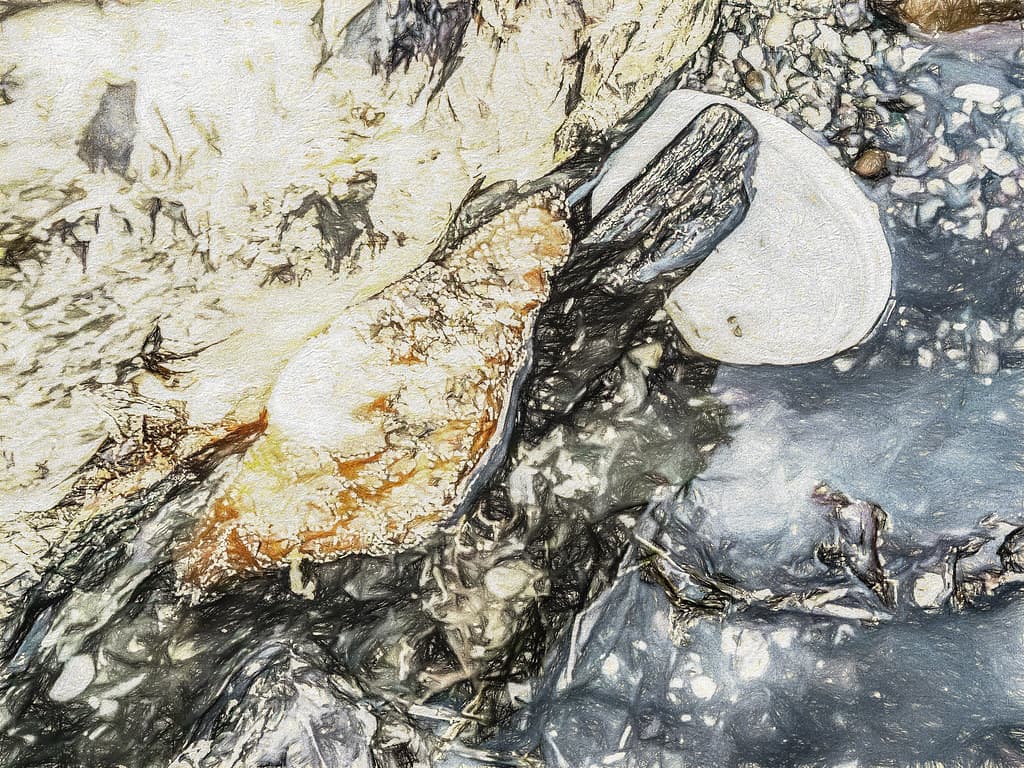
Yes, Moonstone Beach is named for the smooth, translucent pebbles resembling moonstones that wash ashore, though they're technically not true moonstones but rather polished agates, jasper, and jade fragments. The best beachcombing happens during low tide and after winter storms when the ocean churns up new stones. Look for smooth, milky-white or translucent stones among the darker pebbles. While finding gem-quality pieces is uncommon, collecting small stones is a popular activity. Check tide tables before visiting, and remember to watch for sneaker waves while searching near the water.