Counting the waves…
Counting the waves…

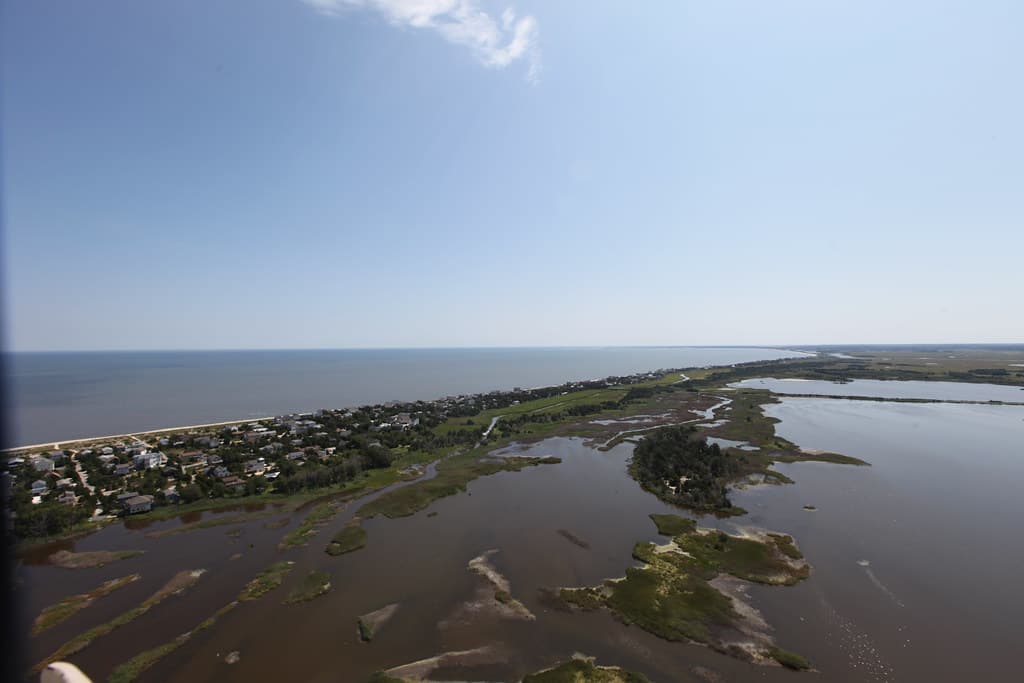
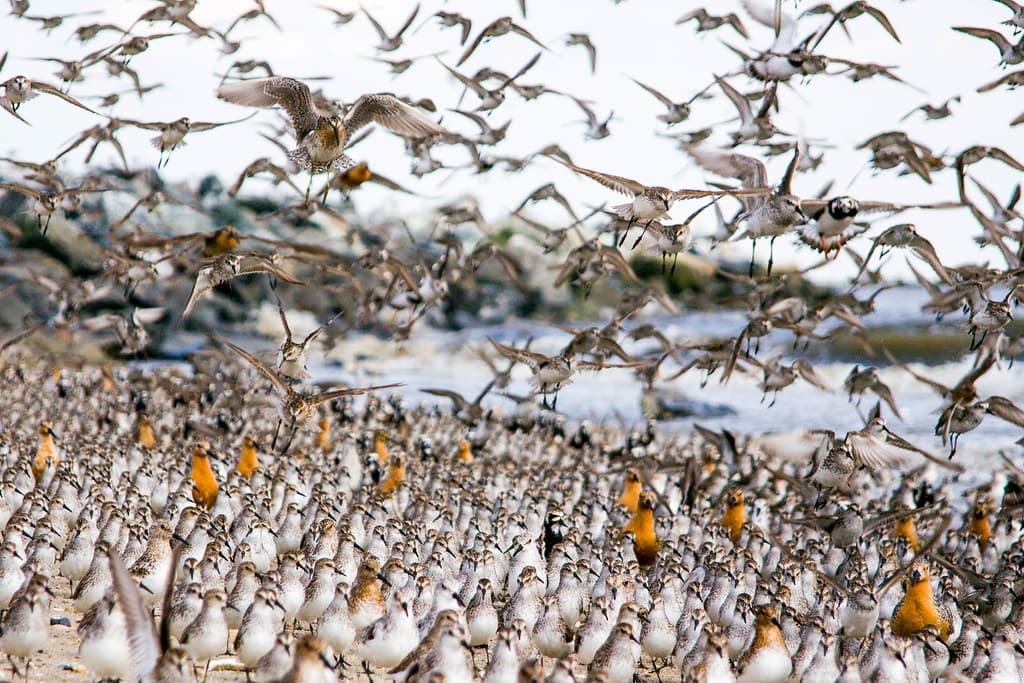
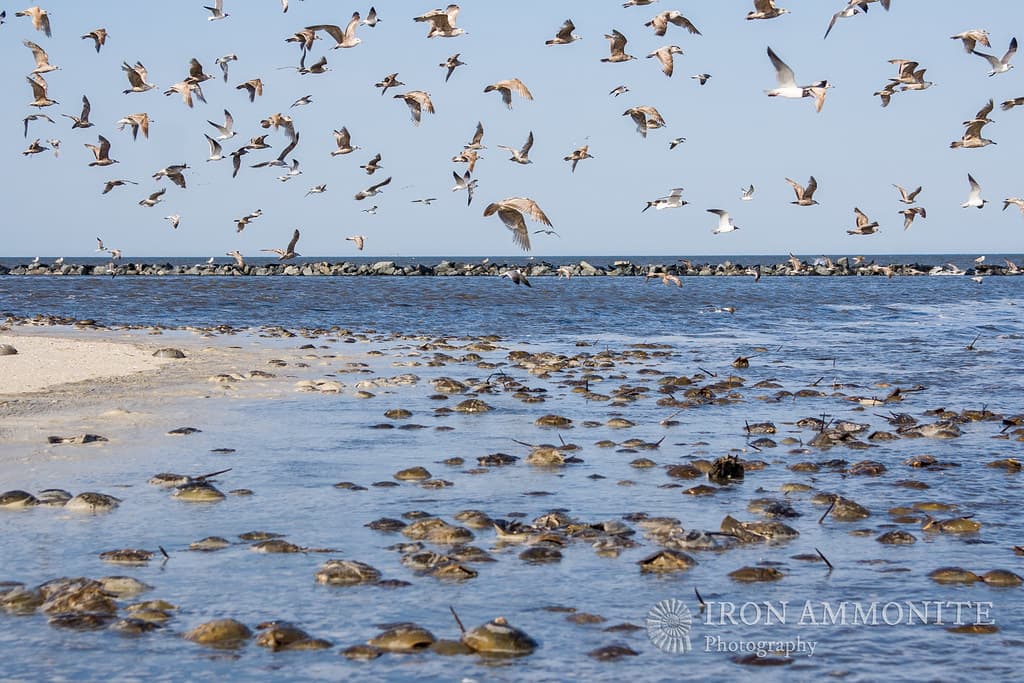
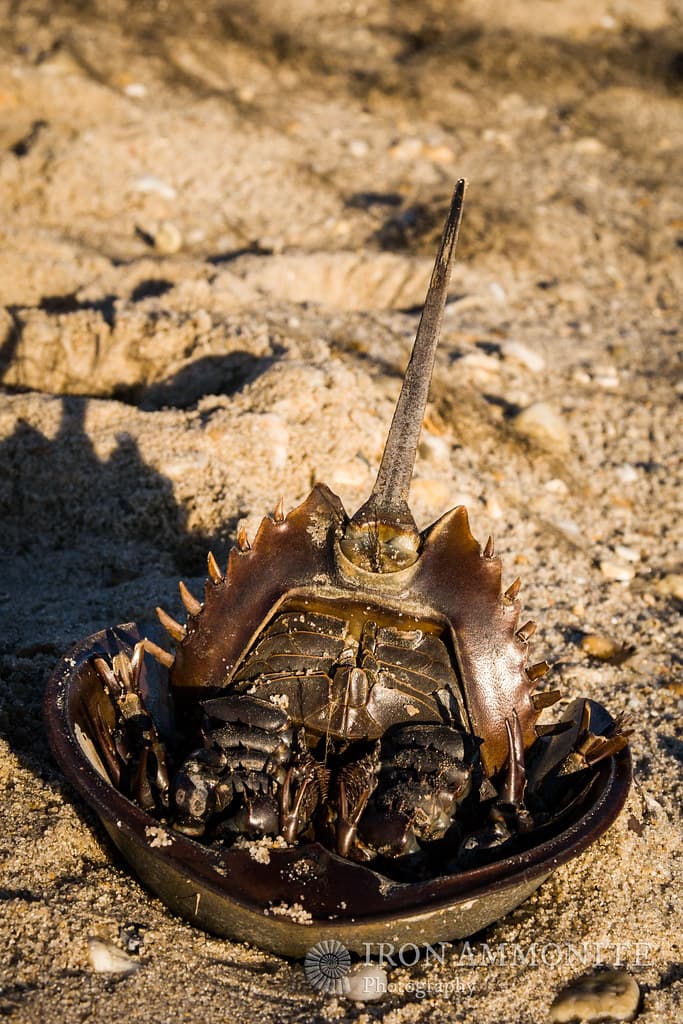
The name stops people cold, but Slaughter Beach earned its title from a colonial family, not carnage. What you get instead is a hushed stretch of Delaware Bay shoreline where the water stays shallow for yards, warming under the sun until it feels like bathwater against your shins. The beach itself runs narrow and pebbly, fringed by marsh grasses that hiss in the breeze, and the horizon opens wide and flat—no dunes, no pretense, just sky meeting water in a blurred seam. This is prime territory for kids to wade and hunt for shells, their feet sinking into soft, silty sand that clouds the water with every step. In late spring, horseshoe crabs storm the beach by the thousands to spawn, turning the shoreline into a living fossil exhibit. Ospreys circle overhead, and great blue herons stalk the shallows with the patience of seasoned fishermen. The town itself amounts to a scattering of beach cottages and a single road, which means you won't find fudge shops or miniature golf. Instead, you get unobstructed sunsets that paint the bay in shades of tangerine and plum, the kind of quiet that lets you hear the tide change, and enough space to let your children run without bumping into anyone else's vacation.
Places, rentals, tours and events within walking and driving distance of Slaughter Beach.
Photos
Slaughter Beach is located on Delaware Bay rather than the open ocean, which means calmer waters with minimal waves and generally safer swimming conditions for families. However, there are no lifeguards on duty, so swim at your own risk and supervise children closely. The bay's shallow, gradual slope makes it suitable for wading. Water quality can vary, so check Delaware's beach monitoring reports before swimming. Be aware of jellyfish during summer months and watch for sharp shells along the shoreline.
Slaughter Beach is accessible year-round, with each season offering different experiences. Summer (June-August) provides warm weather ideal for swimming and beachcombing, though it can be crowded. Spring and fall are excellent for birding, especially May and September when migratory shorebirds feed on horseshoe crab eggs. Winter offers peaceful walks and stunning sunsets with few visitors. The beach faces west on Delaware Bay, making it particularly popular for sunset viewing throughout the year, regardless of season.
Free public parking is available at the end of Bay Avenue near the boat ramp and beach access point. The parking area is relatively small and can fill quickly on summer weekends and holidays, so arrive early during peak season. Street parking is available along nearby residential streets, but be respectful of private property and local parking restrictions. The beach is easily accessible from the parking area with a short walk. There are no parking meters or fees at this community beach.
Slaughter Beach is a quiet residential community with limited on-site amenities. There are no restrooms, showers, or food vendors directly at the beach, so plan accordingly. The nearest restaurants and shops are in nearby Milford (about 10 minutes away), which offers various dining options and grocery stores. For lodging, consider accommodations in Milford, Lewes, or Rehoboth Beach. Pack food, drinks, and beach supplies before arriving. The nearby town of Milford provides all necessary services for day-trippers.
Despite its ominous name, Slaughter Beach is named after William Slaughter, a local postmaster from the early 1900s, not from any violent event. The beach is actually known for its peaceful, family-friendly atmosphere. Local legend sometimes references a colonial-era battle, but historians attribute the name to the Slaughter family. Today, the beach is famous for horseshoe crab spawning in spring and as a prime location for finding fossils, shark teeth, and beautiful shells along its shores.