Counting the waves…
Counting the waves…

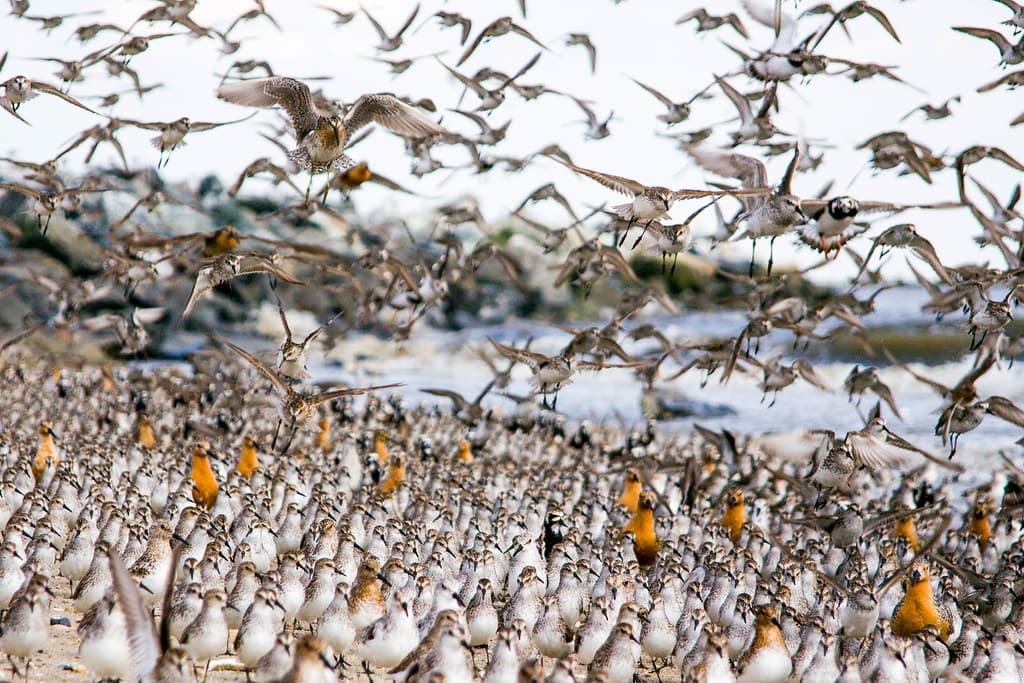
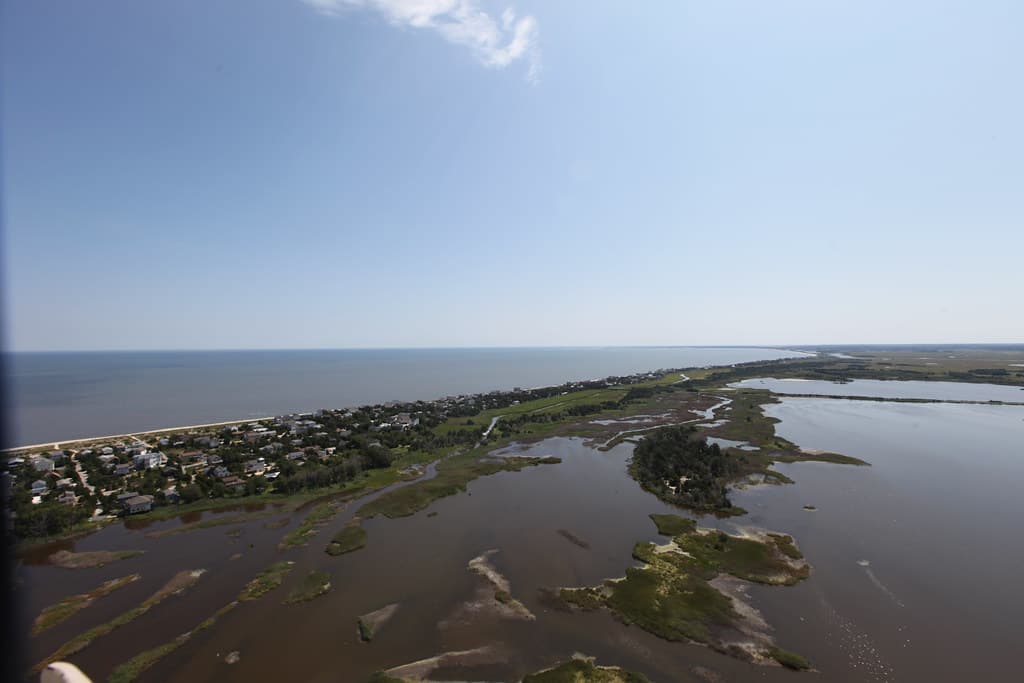
The drive ends at a gravel lot where wild roses tangle through split-rail fencing, and beyond lies a beach that refuses to perform. No lifeguard stands, no rental shacks—just a narrow ribbon of sand that gives way to pebbled shore, then marsh. The bay water laps gently here, stained amber from tannins, reflecting the wide Delaware sky in shades of pewter and pearl. You'll notice the wrack line first: dried seaweed braided with driftwood, blue crab molts, and the occasional horseshoe crab carapace bleached white by sun. In May and June, the real show begins when thousands of horseshoe crabs haul themselves ashore to spawn, and the beach becomes a refueling station for red knots and ruddy turnstones flying north from South America. Bring binoculars. The scenic pull here isn't dramatic—no cliffs, no crashing surf. Instead, Fowler offers the slow beauty of tidal rhythms and salt meadows, the kind of place where you measure time by the heron's patient stalking through shallows. A wooden observation platform overlooks the marsh, ideal for watching sunrise paint the cordgrass gold. Pack out what you pack in; this beach belongs more to the ospreys than to us.
Places, rentals, tours and events within walking and driving distance of Fowler Beach.
Photos
Fowler Beach is not ideal for swimming. Located on Delaware Bay rather than the ocean, the beach features rocky shoreline, mudflats, and strong currents that make swimming challenging and potentially hazardous. There are no lifeguards on duty. The beach is better suited for fishing, bird watching, and beachcombing. If you're looking for swimming opportunities, consider visiting nearby ocean beaches like Rehoboth Beach or Dewey Beach, which have sandy shores and lifeguard supervision during summer months.
Fowler Beach offers year-round appeal, with each season providing different experiences. Spring and fall are excellent for bird watching, especially during shorebird migrations when thousands of birds stop to feed. Summer brings warm weather perfect for fishing and beachcombing, though it can be humid. Winter offers peaceful solitude and dramatic coastal scenery. Early morning visits provide the best light for photography and wildlife viewing. The beach is less crowded than Delaware's ocean beaches, making it pleasant even during peak summer vacation periods.
Fowler Beach is located in eastern Delaware, approximately 15 miles east of Milford. From Route 1, take Route 36 east toward the bay. Follow signs to Prime Hook National Wildlife Refuge; Fowler Beach is accessed through the refuge. There's a small, free parking area at the beach access point. The lot can fill during peak times, especially during bird migration seasons. The final approach involves driving through the wildlife refuge on a narrow road, so be alert for wildlife crossing.
Fowler Beach has very limited amenities—there are basic portable restrooms at the parking area but no food services, shops, or facilities directly at the beach. This is a remote, natural area within Prime Hook National Wildlife Refuge. Bring water, snacks, and any supplies you'll need. The nearest restaurants and services are in Milford, about 15 miles west. For lodging, consider Milford or the beach towns of Lewes and Rehoboth Beach, both roughly 30 minutes away, which offer hotels, vacation rentals, and full amenities.
Fowler Beach is one of Delaware's premier spots for witnessing horseshoe crab spawning, a spectacular natural phenomenon. During high tides in May and June, especially around full and new moons, thousands of horseshoe crabs come ashore to lay eggs. This ancient ritual attracts massive flocks of migratory shorebirds, particularly red knots, which feed on the eggs. Time your visit to coincide with evening high tides during these months for the best viewing. This ecological event draws nature enthusiasts and researchers worldwide.