Counting the waves…
Counting the waves…

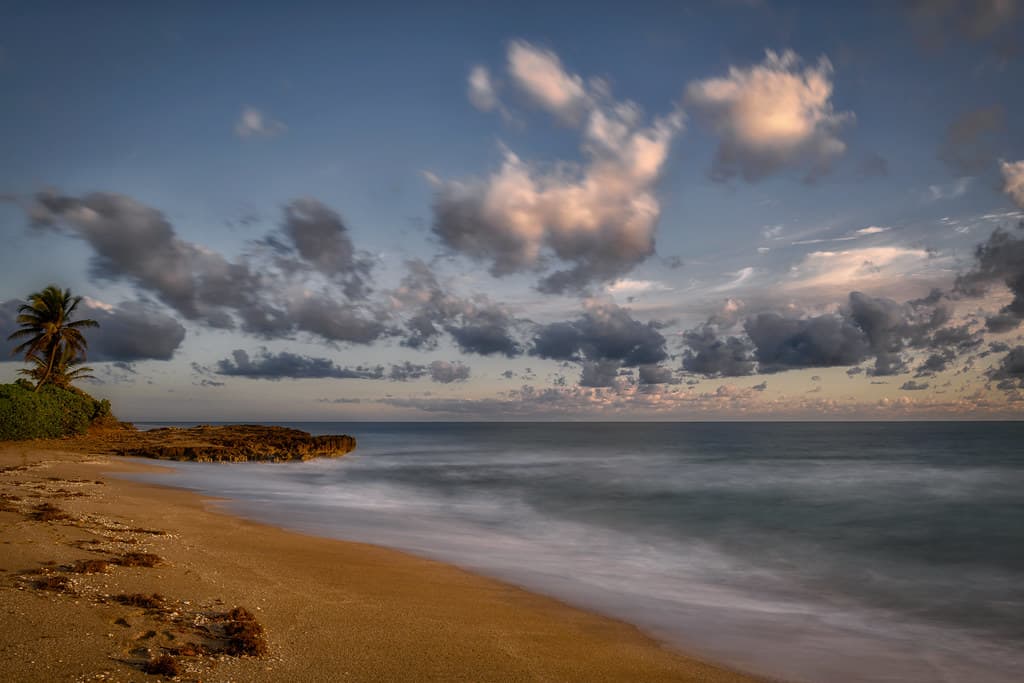
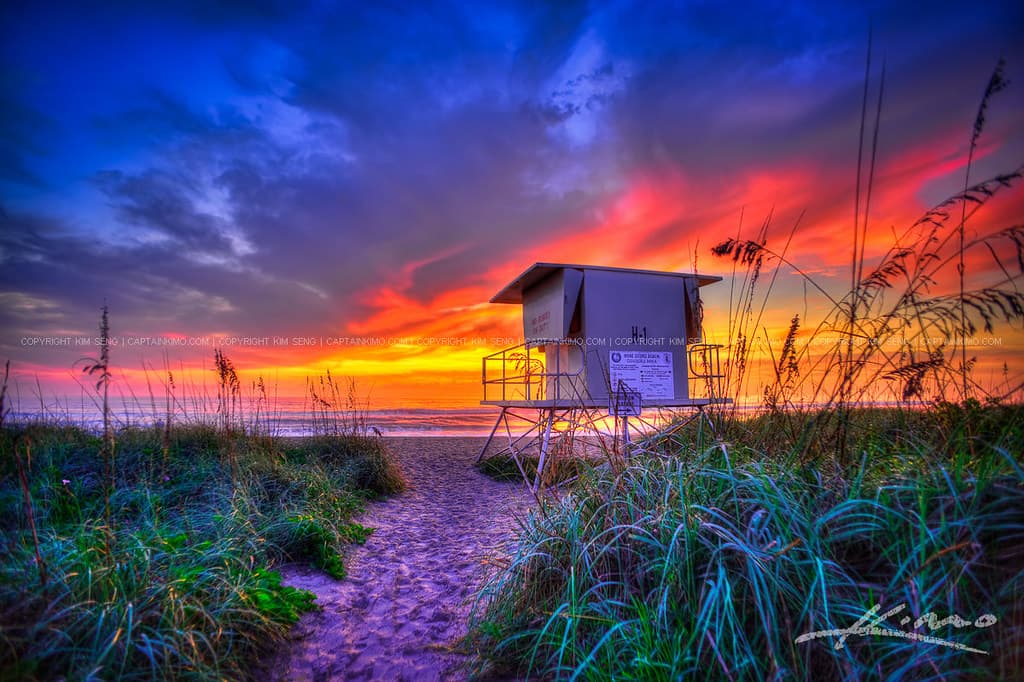
Hobe Sound Beach unfurls along a narrow barrier island, separated from the mainland by the Intracoastal Waterway and the pulse of U.S. Route 1. You'll park at modest public access points—no sprawling lots, no neon signage—and cross weathered dune walkovers to reach a shoreline that feels untamed. The Atlantic here is muscular: waves build over offshore sandbars, offering consistent breaks that attract surfers willing to read the tide charts and respect the locals already in the lineup. The shore itself is wide at low tide, revealing compacted sand ribbed by retreating water. Whelk shells and coquinas collect in the wrack line, and during summer evenings, you might spot the broad tracks of a loggerhead sea turtle returning to the ocean after nesting. The dunes behind you are protected, thick with salt-tolerant scrub and scattered cabbage palms that rattle in the onshore breeze. Sunsets here are theatrical but unadorned—no tiki torches, no amplified music. The sky bruises purple over the water while pelicans skim the troughs between swells. You'll leave with sand in your shoes and salt on your skin, carrying the particular satisfaction of a Florida beach that hasn't been flattened into something easier to sell.
Places, rentals, tours and events within walking and driving distance of Hobe Sound Beach.
Photos
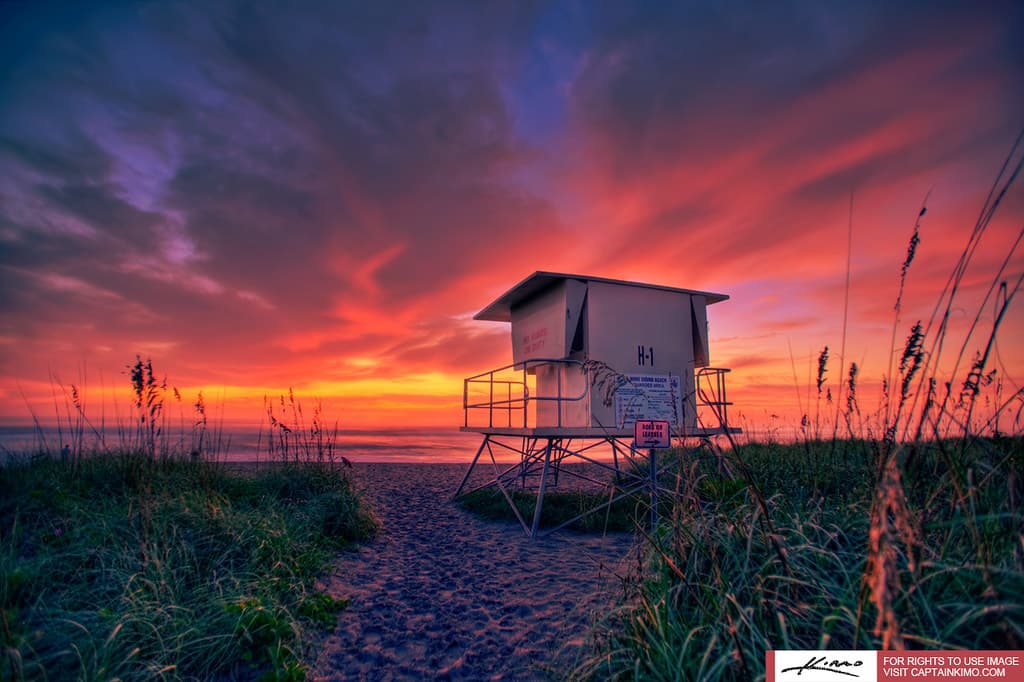
Hobe Sound Beach is generally safe for swimming, though conditions vary with weather and tides. The beach is known for surf, meaning waves can be moderate to strong, especially during winter months and after storms. There are no lifeguards on duty at most access points, so swim at your own risk and check local surf reports before entering the water. Rip currents can occur, particularly during rough surf. Stay close to shore if you're not an experienced swimmer, and never swim alone. The beach is part of a protected barrier island with relatively natural conditions.
Hobe Sound Beach is enjoyable year-round thanks to Florida's subtropical climate, with each season offering something different. Winter and spring (December-April) bring cooler temperatures, fewer crowds, and better surfing conditions. Summer (June-August) offers warmest water but higher humidity and afternoon thunderstorms. Fall provides pleasant weather with moderate temperatures. For sunsets, the beach faces east, so sunrise views are spectacular. Weekdays are generally less crowded than weekends. Hurricane season runs June through November, though direct hits are relatively rare in this area.
Hobe Sound Beach has several public access points along Beach Road (A1A) on Jupiter Island. The main public parking area is Hobe Sound Beach Park, located off Bridge Road (State Road 708), which connects the mainland to the barrier island. Parking is free at county access points, though spaces are limited and fill quickly on weekends and holidays. From I-95, take Exit 101 and head east on Bridge Road until you reach A1A. Some access points have only roadside parking. Arrive early during peak season for best availability.
Hobe Sound Beach itself is undeveloped with no restaurants or hotels directly on the barrier island, preserving its natural character. You'll need to return to the mainland town of Hobe Sound for dining and lodging options, about 10-15 minutes away. The area has local restaurants, cafes, and small motels. For more extensive dining and accommodation choices, nearby Stuart (15 minutes south) and Jupiter (15 minutes north) offer hotels, resorts, and diverse restaurant options. Bring your own food, water, and beach supplies, as there are no vendors or facilities on the beach itself.
Yes, Hobe Sound Beach is part of the Hobe Sound National Wildlife Refuge, which protects over 900 acres of barrier island habitat. The beach area is open for public recreation during daylight hours and offers pristine, undeveloped shoreline perfect for shelling, wildlife watching, and photography. The refuge protects nesting sea turtles (May-October), so respect any marked nests and avoid beach activity at night during nesting season. A separate mainland section of the refuge features nature trails. Dogs are not permitted on refuge beaches to protect nesting birds and turtles.