Counting the waves…
Counting the waves…

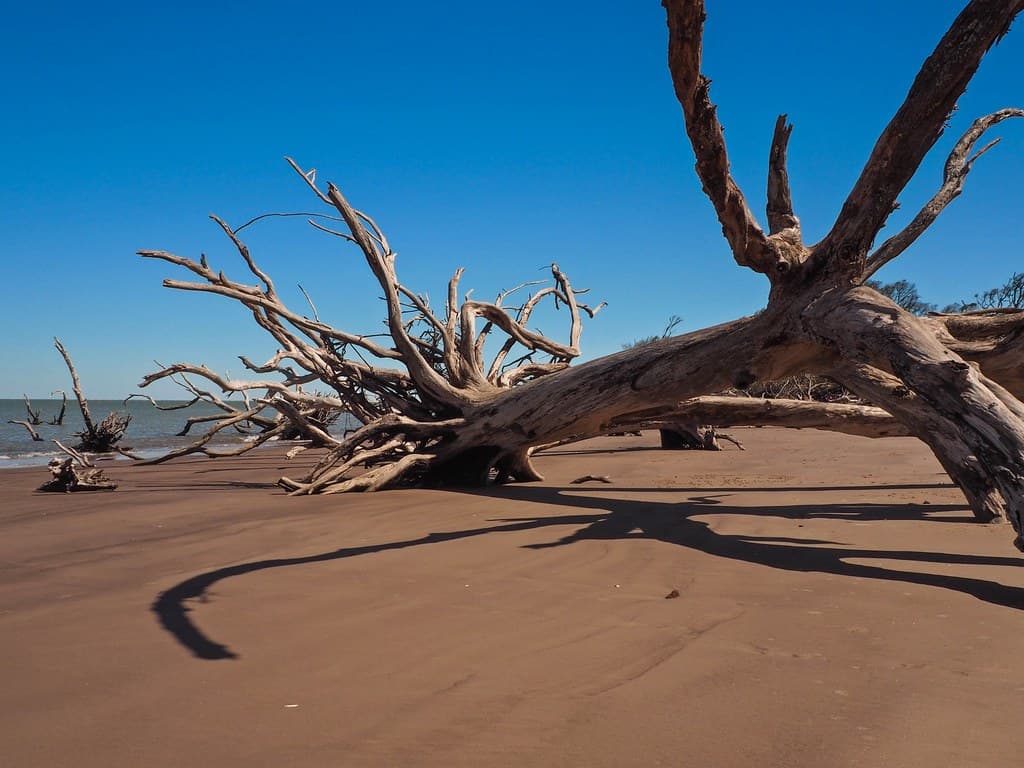
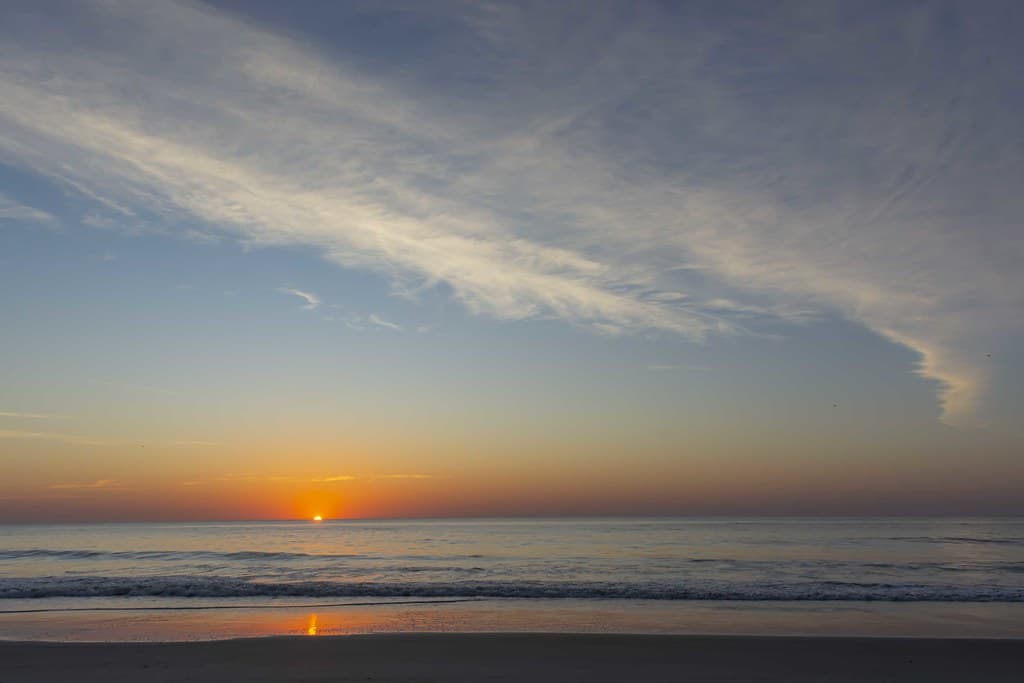
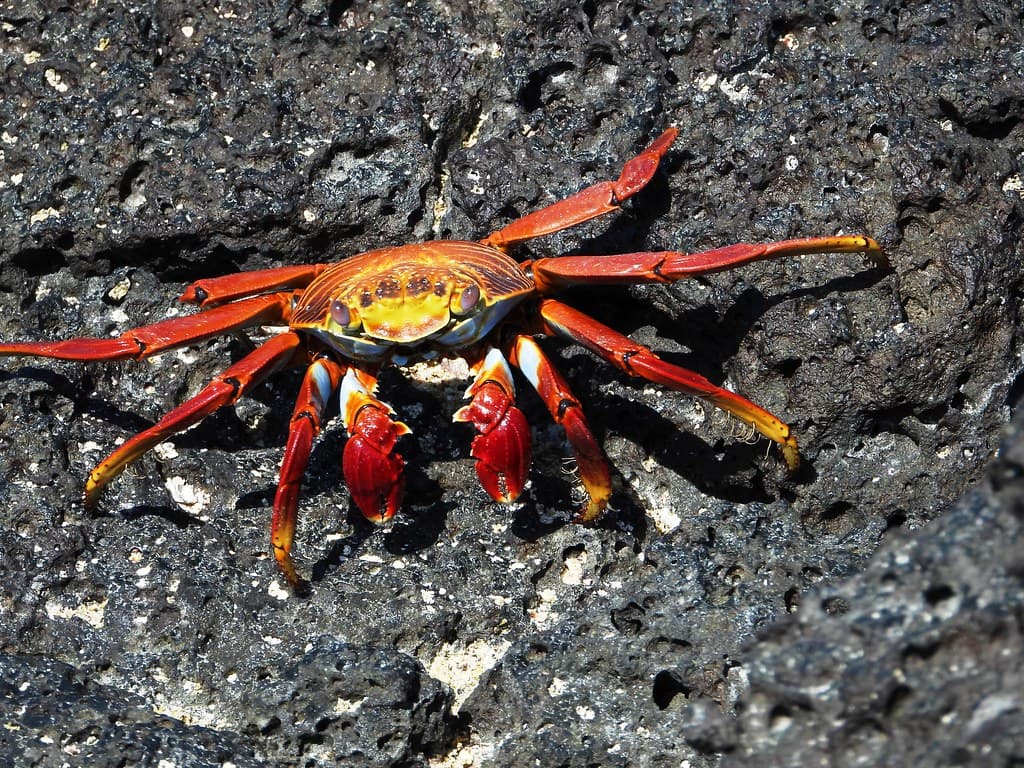
The beach earns its name from the exposed stretches of coquina rock and darker sedimentary formations that punctuate the sand, especially visible at low tide. You'll notice the difference immediately—this isn't the endless white powder of the resort beaches forty minutes south. Here, the shore feels elemental: salt-stiffened grasses lean landward, gulls pick through tide pools, and the smell of marsh mingles with brine as the St. Johns River current threads into the ocean. Timing matters. Arrive two hours before low tide and you'll have room to wander the intertidal zone, where small crabs scuttle between barnacle-crusted stones and shorebirds work the wrack line. The beach faces east, so sunrise paints the rock formations in amber and rose, while afternoon light flattens into a pewter haze that suits the moody, unpolished character of the place. You won't find beach bars or umbrella rentals. What you will find: solitude, even on weekends; enough space to hear your own thoughts; and a shoreline that rewards slow observation. Bring a cooler, a folding chair, and low expectations for Instagram-ready scenery. Blackrock delivers something quieter—a stretch of Northeast Florida coast that hasn't been smoothed into sameness.
Places, rentals, tours and events within walking and driving distance of Blackrock Beach.
Photos
Swimming conditions at Blackrock Beach vary with weather and tides. The Atlantic waters here can have moderate currents and waves, so check local conditions before entering. There are no lifeguards on duty, so swim at your own risk and never alone. The beach's rocky areas require caution when wading. Always supervise children closely and be aware of changing tides. Check Jacksonville's beach conditions report or local surf forecasts before visiting, especially during hurricane season from June through November.
Blackrock Beach is accessible year-round, with mild winters making it pleasant even in cooler months. Summer (June-August) offers warmest water temperatures but higher humidity and afternoon thunderstorms. Spring (March-May) and fall (September-November) provide comfortable temperatures with fewer crowds. Early morning visits reward you with beautiful sunrises and cooler conditions. Weekdays tend to be quieter than weekends. Jacksonville's subtropical climate means occasional winter cold fronts, but temperatures rarely drop below 50°F, making this beach enjoyable in all seasons.
Blackrock Beach is located in the Talbot Islands area near Jacksonville's northeastern coast. Access details may vary, as this is a more locally-known beach with limited signage. Street parking is typically available in nearby residential areas, but be mindful of posted restrictions and private property. The beach may require a short walk from parking areas. For specific directions and current parking availability, contact Jacksonville's parks department or check local resources, as this hidden gem doesn't have the developed access points of larger Jacksonville beaches.
Being a lesser-known local beach, Blackrock Beach has limited immediate amenities. Nearby Atlantic Beach and Neptune Beach, just minutes away, offer numerous dining options from casual seafood shacks to upscale restaurants. These neighboring beach towns also provide hotel accommodations, vacation rentals, and shops. The greater Jacksonville Beaches area has full services including grocery stores and convenience shops. Plan to bring your own food, water, and supplies for a beach day, as you won't find beachfront facilities directly at this location.
The name Blackrock Beach likely refers to distinctive dark rocks or coquina rock formations visible along this shoreline. These darker geological features contrast with the lighter sand typical of most Jacksonville beaches, creating unique scenery. Coquina, a sedimentary rock formed from compressed shells, appears darker when wet and is found along Northeast Florida's coast. This geological characteristic gives the beach its local identity and scenic appeal. The rocky areas make this beach visually distinct from neighboring sandy stretches, contributing to its hidden-gem status among locals.