Counting the waves…
Counting the waves…

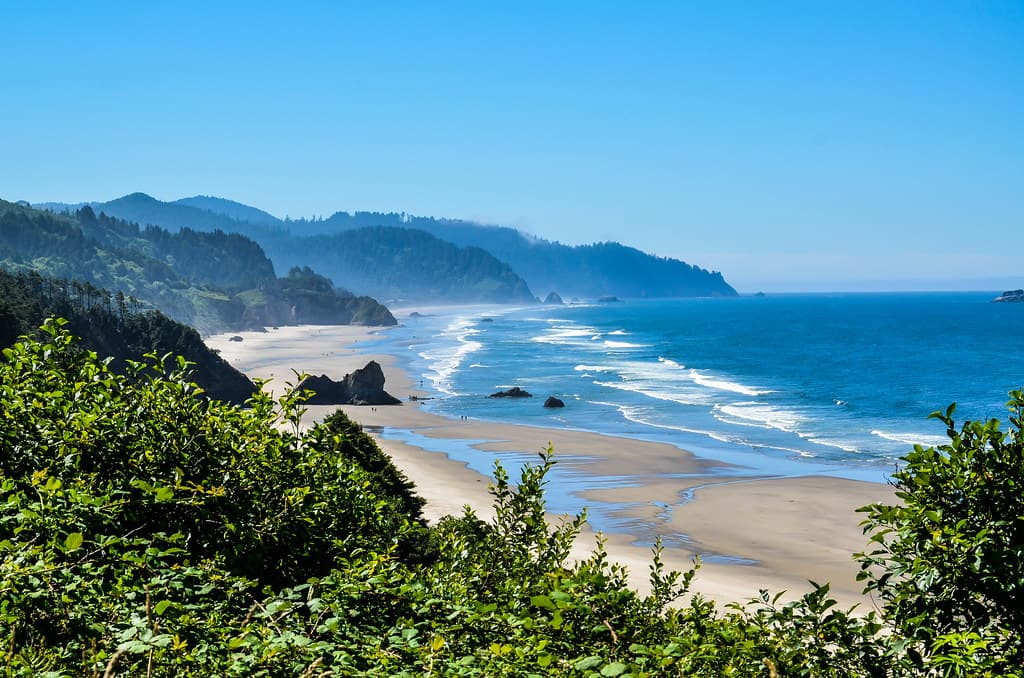
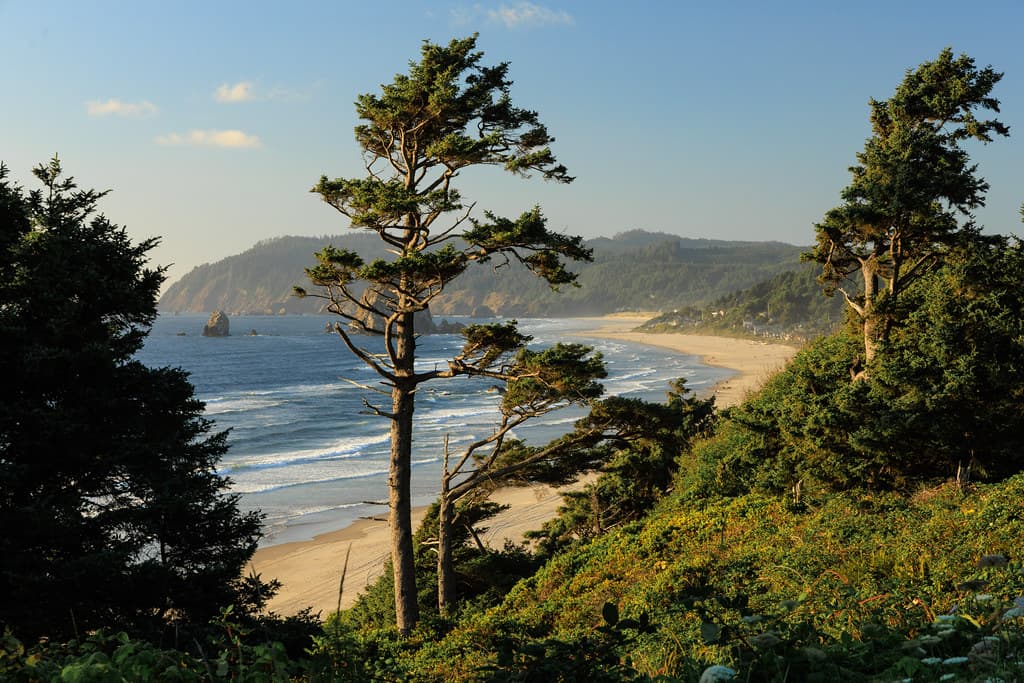
Cannon Beach unfurls along the ocean side of Key Largo as a low-key stretch where locals bring folding chairs and coolers rather than expectations of postcard perfection. The sand here is narrow, giving way quickly to shallow flats carpeted in turtle grass—a nursery for juvenile tarpon and snapper. You'll hear the rustle of Australian pines and the occasional splash of a pelican diving for baitfish. The water stays knee-deep for dozens of yards, warm enough that even January visitors skip the wetsuit. Snorkeling draws most visitors: scattered coral heads and limestone ledges lie within easy swim distance, hosting parrotfish, sergeant majors, and the occasional nurse shark nosing through the sand. Visibility shifts with tide and wind, but on calm mornings you'll spot spiny lobster tucked under ledges and schools of blue tangs grazing algae. Families appreciate the gradual slope and forgiving conditions—no riptides, no pounding shore break. The beach itself is unpretentious, with picnic tables shaded by palms and a small parking area that fills by midday on weekends. You'll share the space with snorkeling outfitters launching clients and retirees walking the tide line at dawn. It lacks the manicured charm of resort beaches farther south, but that scrappy authenticity is precisely why regulars return: this is the Keys as working waterfront, where the reef still feels close enough to touch.
Places, rentals, tours and events within walking and driving distance of Cannon Beach.
Photos
Cannon Beach offers calm, shallow waters ideal for families and beginner snorkelers. The beach features protected areas within John Pennekamp Coral Reef State Park, where you can snorkel among tropical fish and coral formations. Water clarity is generally good, though visibility varies with weather and tides. Always check current conditions before entering the water. The shallow depths and gentle waves make it safer than ocean-side beaches, but be mindful of boat traffic in designated channels and wear reef-safe sunscreen to protect the marine ecosystem.
Cannon Beach is accessible year-round, with water temperatures ranging from 75°F in winter to 85°F in summer. December through April offers the most comfortable weather with lower humidity and minimal rainfall, though this is peak tourist season. Summer months (June-August) bring afternoon thunderstorms and higher humidity but warmer water and fewer crowds. Hurricane season runs June through November, with September and October presenting the highest risk. For the best snorkeling visibility, visit during calmer winter months when water is clearest.
Cannon Beach is located within John Pennekamp Coral Reef State Park at Mile Marker 102.5 on the Overseas Highway (US-1) in Key Largo. The park entrance is clearly marked on the bay side. There's an entrance fee of $8 per vehicle (plus $0.50 per person). Ample parking is available in designated lots near the beach area. The park opens at 8 AM daily. From Miami, it's approximately a one-hour drive south. No public transportation serves the park directly, so a personal vehicle or rental car is necessary.
John Pennekamp State Park, where Cannon Beach is located, features a full-service concession stand offering snacks, sandwiches, and beverages. Restrooms, outdoor showers, and picnic areas with grills are available throughout the park. The visitor center includes educational exhibits about the coral reef ecosystem. For more dining options, Key Largo's restaurants and cafes are within a 5-10 minute drive along US-1. Nearby accommodations range from waterfront resorts to budget motels. The park also offers a dive shop for snorkel and kayak rentals if you don't have your own equipment.
The famous Christ of the Abyss statue cannot be seen from Cannon Beach itself, as it's submerged in 25 feet of water at Key Largo Dry Rocks, several miles offshore within the park's boundaries. You'll need to join a snorkeling or diving tour from John Pennekamp's dive center to visit the statue. Glass-bottom boat tours are also available and provide views of the underwater statue and surrounding reef without getting wet. These tours typically last 2.5 hours and depart multiple times daily, offering an excellent alternative for non-swimmers interested in the area's marine attractions.