Counting the waves…
Counting the waves…

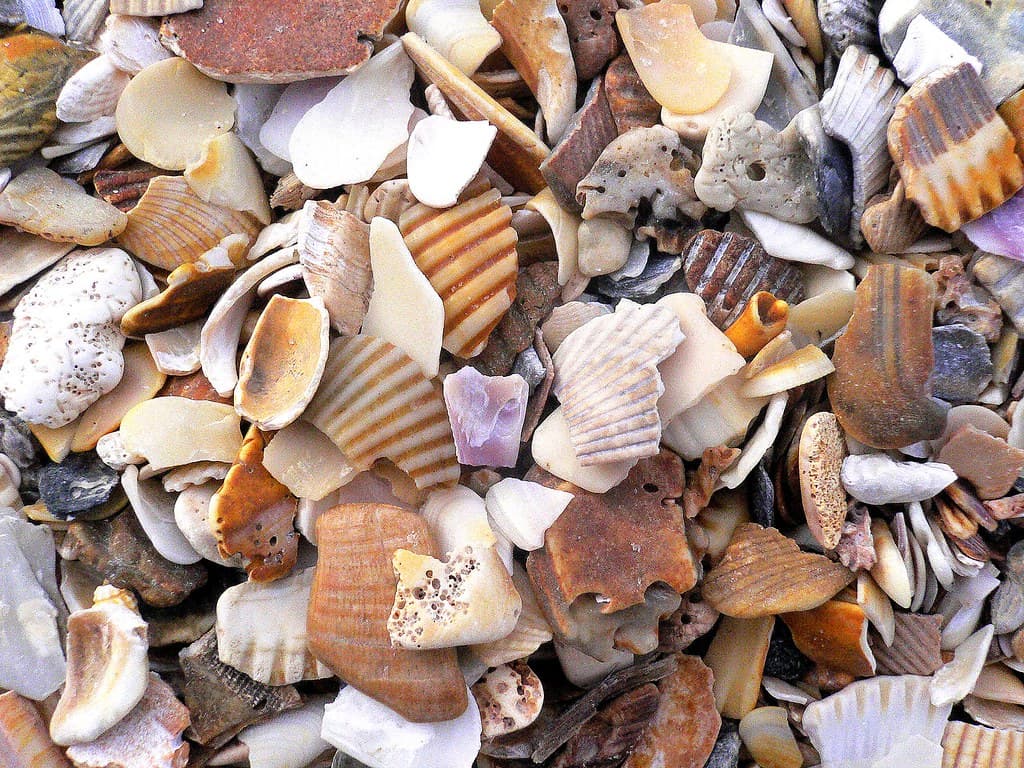
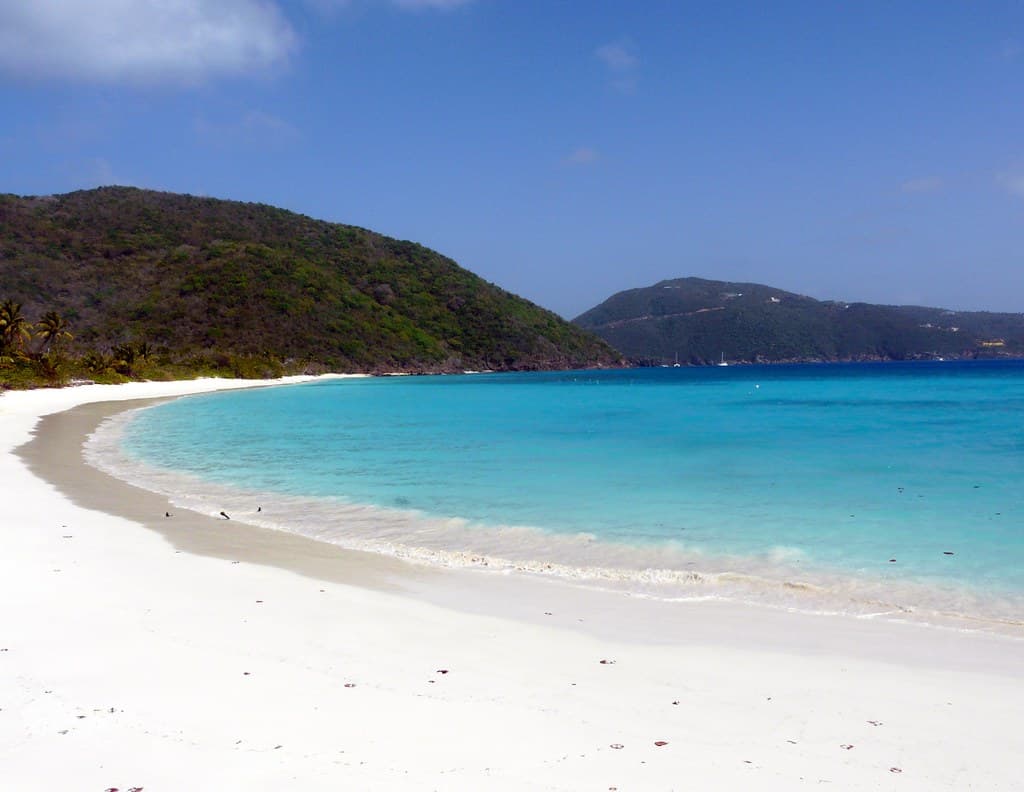
Guana Beach sits at the northern edge of the Guana Tolomato Matanzas National Estuarine Research Reserve, a 73,000-acre buffer zone that has saved this stretch from the high-rises and manicured lawns dominating much of Northeast Florida's coast. You'll walk from the small parking area through a corridor of wax myrtle and live oak, then emerge onto sand the color of bone meal. The beach itself is wide and gently sloped, textured with tidal wrack—broken coquina shells, dried sea lettuce, the occasional sand dollar. The rhythm here is tidal rather than commercial. At low tide, the hard-pack extends far enough to run or bike without sinking. When the water rises, small sandbars form offshore, creating shallow lagoons where you can wade waist-deep while waves break thirty yards beyond. Ospreys circle overhead. Ghost crabs skitter into their burrows. The only sounds are surf and wind through sea oats. Sunset draws the handful of regulars who know to arrive in the last hour of light, when the westward-facing dunes glow amber and the Atlantic softens from cobalt to pewter. You'll find no tiki bars or volleyball nets, no lifeguard stands painted cheerful colors. What you will find is a shoreline that still feels like Florida's coast before Florida became a brand.
Places, rentals, tours and events within walking and driving distance of Guana Beach.
Photos
Guana Beach generally offers safe swimming conditions, though it's an unguarded beach, so swim at your own risk. The shoreline features typical Atlantic Ocean conditions with moderate waves and occasional rip currents, especially during storms or high surf. Check local surf reports before entering the water. The beach is part of a natural preserve area, so expect less development and fewer emergency services immediately nearby compared to main Ponte Vedra Beach. Always swim parallel to shore if caught in a current, and consider visiting during calmer morning hours for easier swimming conditions.
Guana Beach is accessible year-round, with each season offering different appeal. Summer (June-August) brings warm water and long days but higher humidity and afternoon thunderstorms. Spring and fall offer the most comfortable weather with temperatures in the 70s-80s°F and fewer crowds. Winter remains mild (60s°F) and is ideal for beachcombing and wildlife watching. For stunning sunsets and golden-hour photography, visit during the cooler months when the sun sets earlier. Weekday mornings provide the quietest experience regardless of season, maintaining the beach's peaceful, hidden-gem character.
Guana Beach is located in South Ponte Vedra Beach, accessible via A1A (Coastal Highway). The main access point is through Guana Tolomato Matanzas National Estuarine Research Reserve, which has a parking area off A1A. Parking is typically free but limited, so arrive early during peak season and weekends. Some visitors access the beach through nearby public access points along Ponte Vedra Boulevard. The area is about 20 miles southeast of Jacksonville and 15 miles north of St. Augustine. No public transportation serves this location directly, so a personal vehicle is necessary.
Guana Beach is relatively undeveloped with minimal on-site amenities. The preserve area may have basic restroom facilities, but food and lodging require traveling to nearby Ponte Vedra Beach or Jacksonville Beach, both within a 10-15 minute drive. Ponte Vedra Boulevard and A1A offer various restaurants ranging from casual beachside cafes to upscale dining. Accommodation options include oceanfront resorts, vacation rentals, and hotels in Ponte Vedra Beach and Sawgrass areas. Pack your own food, water, and beach supplies, as there are no concessions or vendors directly at this quieter, nature-focused beach location.
Guana Beach sits within a protected estuarine research reserve, making it exceptional for wildlife observation. Visitors frequently spot shorebirds including ospreys, herons, egrets, and seasonal migratory species. Sea turtles nest along this coastline from May through October, and you might see tracks or nesting activity early morning. Dolphins are commonly visible offshore year-round, especially during mullet runs. The surrounding dunes and maritime hammock habitats support gopher tortoises, various lizards, and occasional bobcats. The pristine nature of this area means wildlife encounters are more common than at developed beaches, enhancing its appeal for nature enthusiasts.