Counting the waves…
Counting the waves…
A refined fusion of water purity, environmental stability, and communal vibrancy for Sunset Beach.
View MethodologyAnalyzed via live sensors and environmental data.
Wave height, wind, and atmospheric stability.
Live footfall and crowd balance metrics.
Community reviews and curated sentiment.
“You'll hear Sunset Beach before you see it—winter swells detonate against the reef with a percussive boom that rattles car windows along Kamehameha Highway. When the swell hits, foam the color of bone stretches across…”
Limited recent visitor reports — live OBI telemetry is your best guide for current conditions.
Sunset Beach earns its name twice over: once for the tangerine glow that spreads across Waimea Bay each evening, and again for the careers it has ended with a single wipeout. This is where the North Shore's famous winter surf season peaks, drawing big-wave chargers from November through February to test themselves against the reef's shifting sandbars and unpredictable closeout sets. You'll watch from the beach as riders commit to drops steep enough to require a forward lean, their boards chattering across the face before the wave folds into a cavern of whitewater.
The shoreline curves in a gentle arc, backed by ironwood trees that sift the trade winds into a constant whisper. Summer transforms the break entirely—flat enough for families to wade in waist-deep water, the reef exposing tide pools where yellow tangs dart between volcanic rock. But even in calm months, the beach retains its reputation; locals still call it "Suicide's," a reminder of the shallow inside section that has humbled Olympic swimmers and lifeguards alike.
 Credit: Unsplash
silhouette of man and woman standing beside seashore during daytime
 Credit: Unsplash
ocean waves crashing on shore during daytime
Winter swells, expert break only
Telephoto lens from shore recommended
Flat May through September mornings
Where it is
Sunset Beach
Haleiwa, Hawaii, USA
21.678800°, -158.040200°
Weather
Loading…
Swell
—
Temp
Warm · Restorative
UV Index
Moderate
Wind
—
Tidal State
Last known
Max Sunlight
—
Ideal Shade
—
Jan - Dec (Peak)
May - Nov (Off-season)
Historical data suggests peak visibility and stable sea temperatures occur during the prime visitation window.
Select a category to load nearby places.
Unlock restaurants, luxury stays and curated maritime experiences within 2km
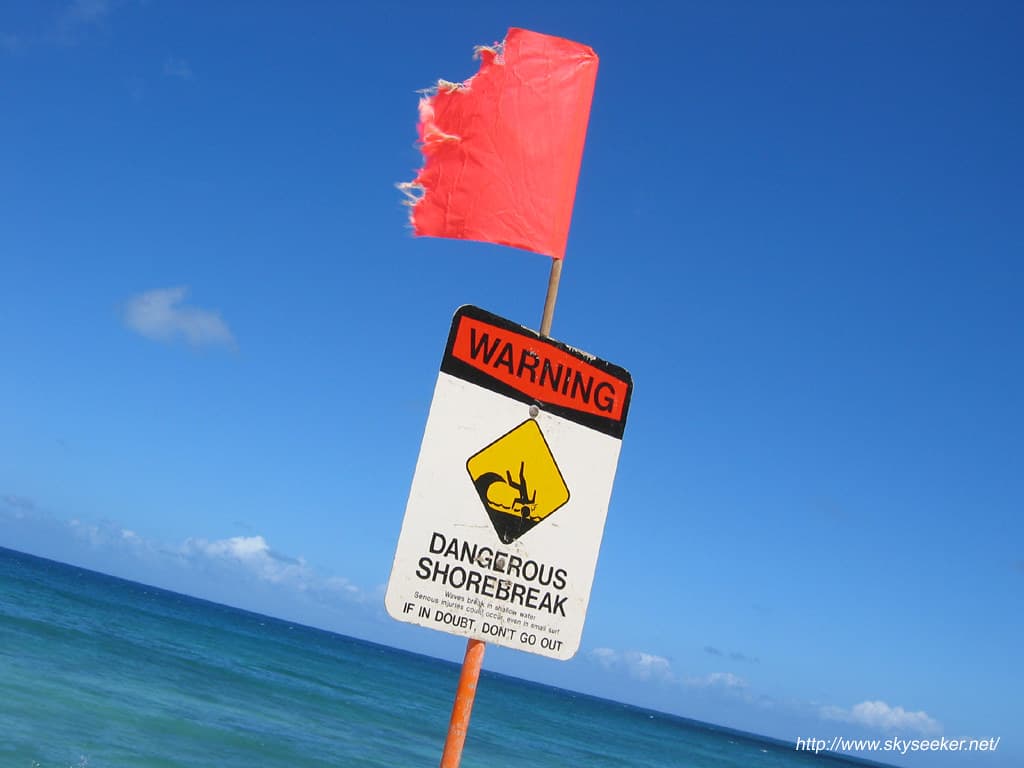
Swimming safety at Sunset Beach varies dramatically by season. During summer (May-September), conditions are generally calmer and safer for swimming. However, in winter (October-April), Sunset Beach produces some of the world's largest waves, reaching 15-30 feet, with powerful currents and shore breaks that make swimming extremely dangerous. Even experienced swimmers should avoid the water during big winter swells. Always check posted warning signs, observe conditions before entering, and never turn your back on the ocean. Lifeguards are on duty, but exercise extreme caution during high surf season.
The best time depends on your purpose. Winter months (November-February) offer world-class surfing with massive waves and professional competitions, making it ideal for surf spectators. Summer (May-September) provides calmer waters perfect for swimming and snorkeling. Water temperatures remain pleasant year-round (75-80°F). For fewer crowds, visit on weekdays or shoulder seasons (April-May, September-October). Sunset Beach faces west, offering spectacular sunset views throughout the year. Arrive early during winter competition season as parking fills quickly when big swells arrive.
Sunset Beach is located on Oahu's North Shore, approximately 45 miles (90 minutes) from Waikiki via Highway H1 and H2, then Kamehameha Highway (Route 83). Free public parking is available in a dirt lot directly across from the beach on Kamehameha Highway, though spaces fill quickly during winter surf season and weekends. Additional roadside parking exists along the highway. The beach is also accessible via TheBus routes 52 and 55 from Honolulu, though the journey takes 2-3 hours. No parking fees are charged at public beach access areas.
Sunset Beach has basic amenities including restrooms, outdoor showers, and lifeguards. The beach itself has no food vendors, but nearby options include food trucks and small eateries along Kamehameha Highway in Haleiwa and Pupukea. Ted's Bakery, famous for chocolate haupia pie, is about a mile south. Pupukea Foodland grocery store is nearby for supplies. For lodging, options range from vacation rentals to Turtle Bay Resort (about 10 minutes north). Most visitors stay in Haleiwa town or drive from other parts of Oahu as a day trip.
Yes, Sunset Beach hosts professional surfing events, particularly during winter's peak surf season. The beach has historically been part of the World Surf League's Championship Tour and Vans Triple Crown of Surfing. Events typically occur between November and February when swells are largest, though exact dates depend on wave conditions. Competitions are free to watch from the beach, drawing large crowds. The beach offers excellent vantage points for spectators. Check World Surf League schedules or local surf reports for confirmed event dates, as competitions run on nature's schedule when waves meet minimum requirements.
Photos