Counting the waves…
Counting the waves…

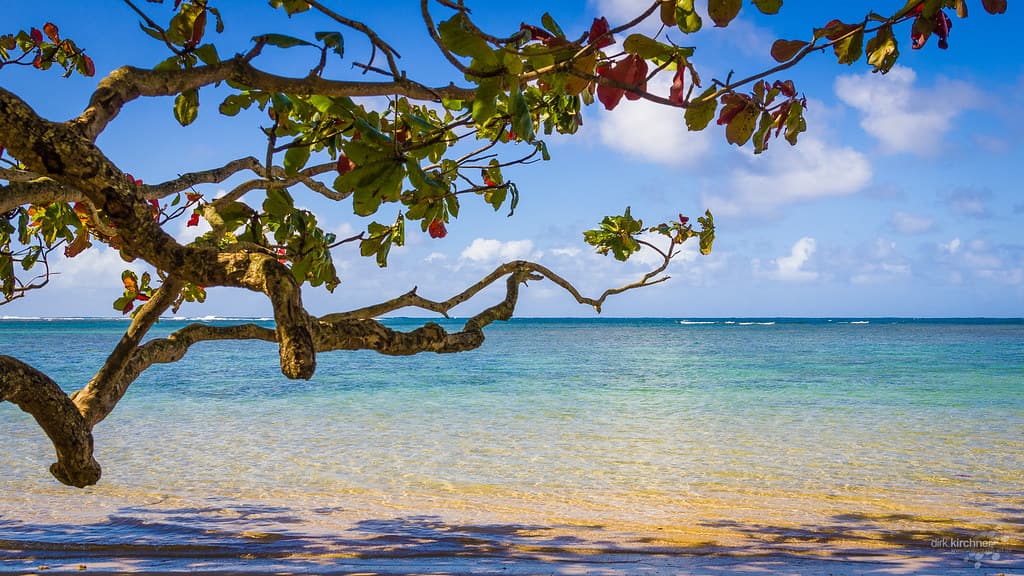
The reef at Anini stretches nearly parallel to shore for two miles, a natural breakwater that transforms the north shore's winter fury into bathwater ripples. You'll wade out fifty yards and still touch sand, passing over garden eels that dart into their burrows and spotted eagle rays that glide through channels in the coral. Green sea turtles—some with shells the diameter of truck tires—graze on limu near the rocky eastern point, indifferent to snorkelers hovering three feet above. Ironwood pines line the narrow beach park, their needles carpeting the picnic areas where multi-generational Hawaiian families set up canopy tents on weekends. The sand here is coarse, more gold than white, studded with bits of coral and cowrie shells. Trade winds funnel through the trees in the afternoon, carrying the scent of someone's teriyaki chicken on a hibachi and the rhythmic smack of a volleyball at the far pavilion. The lagoon's western end, near the boat ramp, runs deeper—eight to twelve feet—where you'll spot schools of blue-striped snapper and the occasional whitetip reef shark resting on the bottom. Windsurfers launch here when the trades pick up, their sails cutting neon arcs against the jagged profile of Makana peak. Come at dawn and you'll have the shallows to yourself, watching the mountain ridges emerge from shadow while frigatebirds wheel overhead.
Places, rentals, tours and events within walking and driving distance of Anini Beach.
Photos
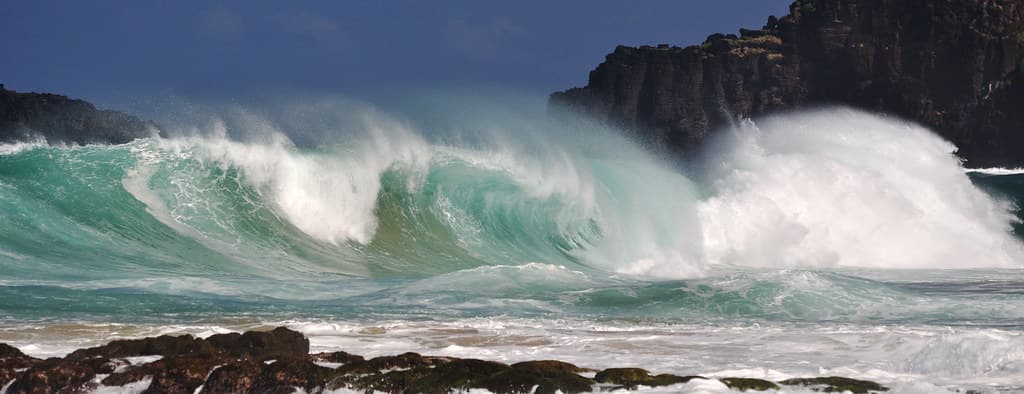
Anini Beach is one of Kauai's safest swimming beaches, protected by Hawaii's longest and widest fringing reef. The reef creates a calm lagoon ideal for families and beginner snorkelers. However, the reef's outer edge can have strong currents and shouldn't be approached. During winter months (November-March), occasional high surf can create hazardous conditions even inside the reef. Always check conditions before entering the water, avoid swimming near the reef's channel, and never walk on the coral, which damages this fragile ecosystem and can cause injury.
Anini Beach is accessible year-round, with summer months (May-September) offering the calmest conditions for snorkeling and swimming. Winter (November-March) can bring occasional high surf and cloudy water, though the reef still provides protection most days. Early mornings typically offer the clearest water visibility for snorkeling, before afternoon trade winds pick up. Kauai's north shore receives more rain than other parts of the island, particularly in winter, so check weather forecasts. Weekdays are generally less crowded than weekends when local families gather here.
From Princeville, take Kuhio Highway (Route 56) north and turn right onto Kalihiwai Road (the second Kalihiwai Road after the bridge). Follow this 1.5 miles to Anini Road and turn right. The beach has a paved parking area that rarely fills up, even on weekends, making it more accessible than neighboring north shore beaches. The two-mile beach park has multiple access points along Anini Road. Roads are well-maintained and suitable for all vehicles. No fees are required for parking at this county beach park.
Anini Beach has basic amenities including restrooms, outdoor showers, picnic tables, and shaded pavilions, but no food vendors or concessions. Bring your own food, drinks, and snorkeling gear. The nearest restaurants and grocery stores are in Princeville, about 10 minutes away, or Hanalei town, 15 minutes west. Several vacation rentals and homes line the beach, but no hotels are directly on-site. The closest resort accommodations are in Princeville. A lifeguard is not always on duty, so plan accordingly and bring all necessary supplies.
Anini's protected reef lagoon hosts abundant tropical fish including yellow tangs, parrotfish, butterflyfish, and Hawaiian sergeant fish. Green sea turtles frequently feed on algae along the reef, and you may spot octopus hiding in coral crevices. The calm, shallow waters make it excellent for spotting marine life close-up without strong currents. Visibility is typically best in summer and during morning hours. The reef itself is fascinating to observe but remember to look without touching—standing on or handling coral is harmful to the ecosystem and illegal in Hawaii.