Counting the waves…
Counting the waves…

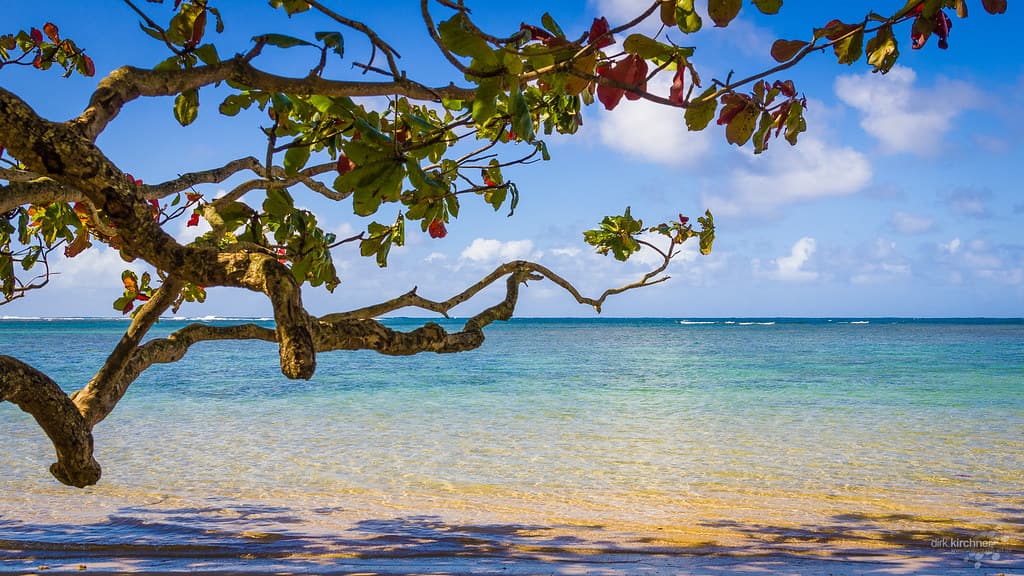
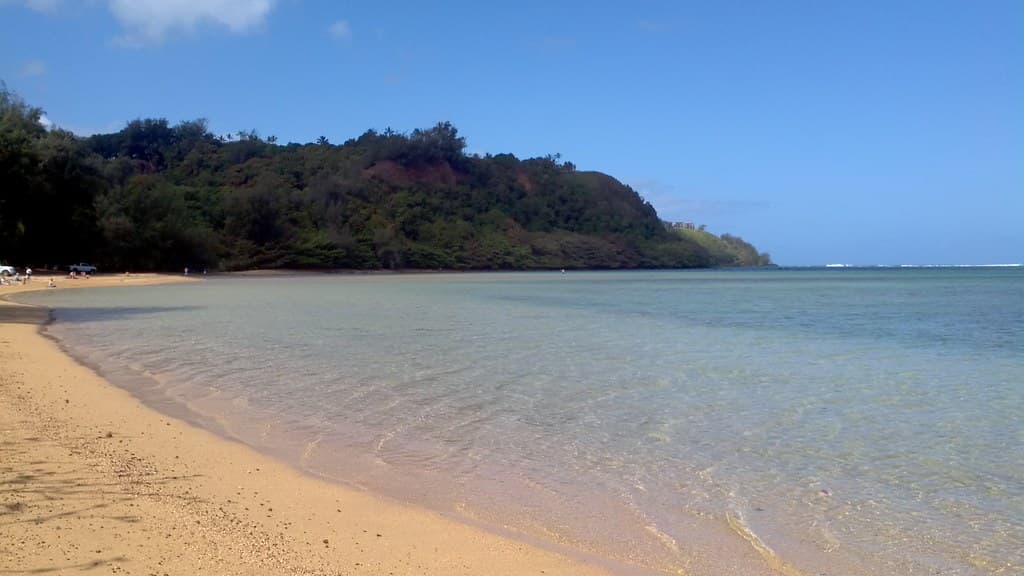
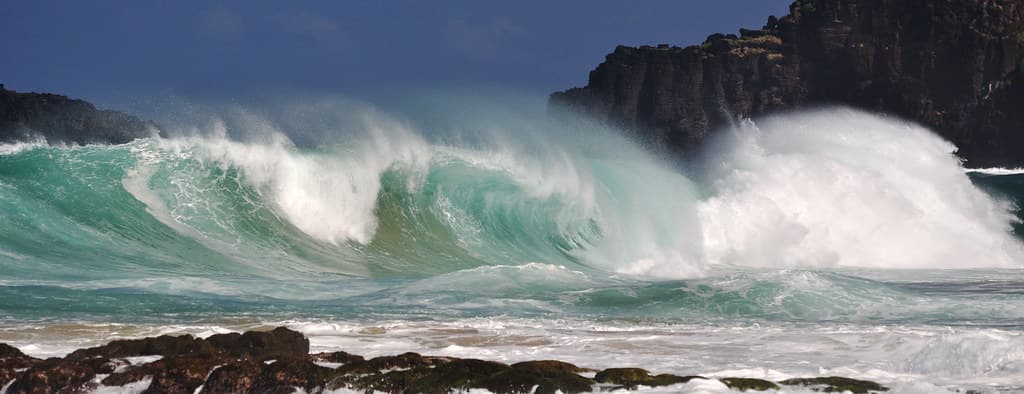
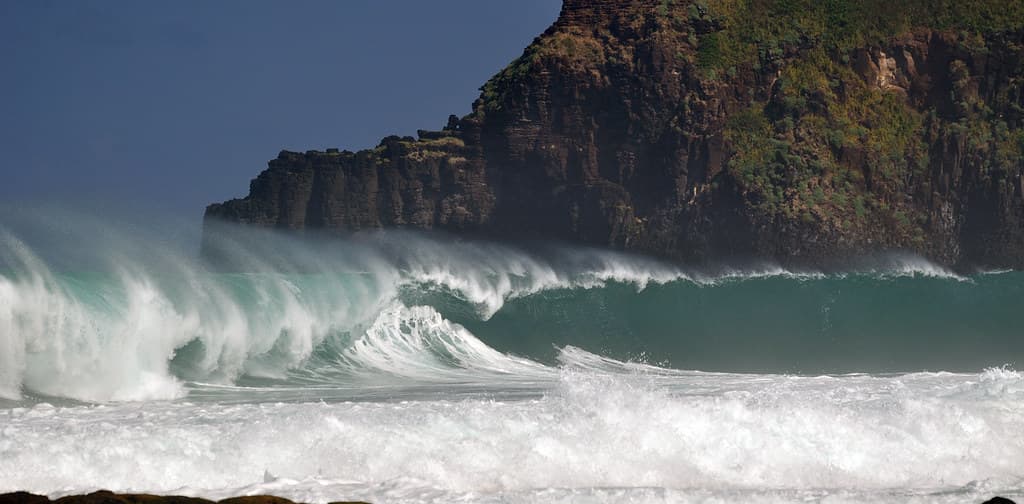
The walk down is half the reward: a narrow footpath carved into the bluff north of Kilauea, dropping steeply through a thicket of ironwoods whose needles carpet the trail in springy rust-colored duff. You'll grip exposed roots for balance as the grade pitches, and midway down the trees part just enough to tease a wedge of cobalt ocean. At the base, the beach unfurls in both directions—a generous crescent hemmed by low lava shelves on the east and a rocky point to the west. The sand here is coarse underfoot, studded with coral fragments and tiny shells, and the shorebreak arrives in quick, foamy bursts that churn the shallows milky green before sliding back. When the trade winds ease, the water flattens into glassy turquoise bands, and you can wade out past the break line to float in the swell. Monk seals occasionally haul out on the western end, blubbery and indifferent, and locals know to give them wide berth. There are no facilities, no lifeguards, no concession stands—just the rustle of ironwoods, the thump of shorebreak, and the occasional hiker emerging muddy-kneed from the trail. Bring everything in, carry everything out, and time your visit for a falling tide when the sand broadens and the undertow softens.
Places, rentals, tours and events within walking and driving distance of Secret Beach (Kauapea Beach).
Photos
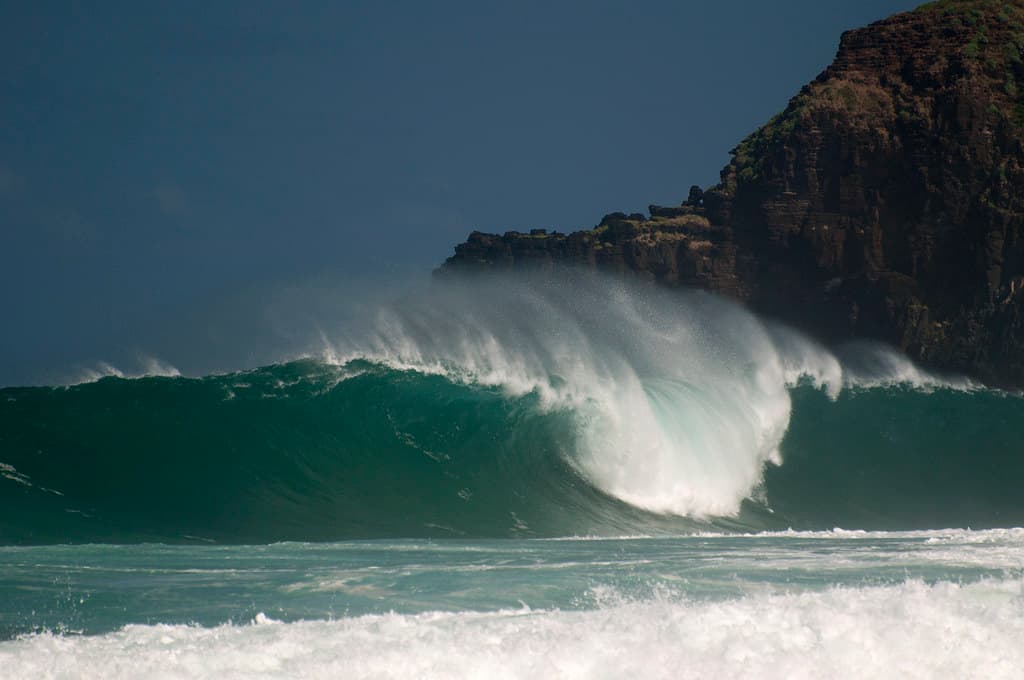
Swimming conditions at Secret Beach vary significantly and can be dangerous. The beach has no lifeguards, strong currents, powerful shore breaks, and unpredictable waves, especially during winter months (October-April). The offshore reef creates hazardous conditions even for experienced swimmers. Summer months (May-September) generally offer calmer waters, but caution is always necessary. Rip currents are common year-round. Many visitors choose to enjoy the beach for sunbathing and scenery rather than swimming. Always assess conditions carefully before entering the water and never swim alone.
Secret Beach is accessible year-round, but summer months (May through September) typically offer the calmest ocean conditions and most reliable weather. Winter brings larger surf, stronger currents, and more frequent rain. For optimal beach weather and safer conditions, visit during late spring or summer. Mornings generally provide the best lighting for photography and fewer crowds. The beach can be enjoyed in any season, but expect muddy trail conditions after rain. Regardless of season, arrive early for easier parking and a more peaceful experience at this popular hidden gem.
Secret Beach is located near Kilauea on Kauai's north shore. From Kuhio Highway (Route 56), turn onto Kalihiwai Road (the first Kalihiwai Road if coming from Lihue). Drive to the end where you'll find a small dirt parking area with space for roughly 10-15 vehicles. The trailhead begins here, requiring a steep 5-10 minute hike down a rocky, sometimes muddy path. Proper footwear is essential. Parking fills quickly, especially on weekends. The return climb is strenuous, so plan accordingly.
Secret Beach has no facilities whatsoever—no restrooms, showers, food vendors, or lifeguards. It's a completely undeveloped beach. The nearby town of Kilauea (about 10 minutes away) offers restaurants, cafes, a farmer's market, and small shops for supplies. Princeville, approximately 15 minutes away, has more dining options, grocery stores, and resort accommodations. Bring all necessary supplies including water, snacks, sun protection, and pack out all trash. Plan bathroom breaks before arriving, as the closest facilities are back in town.
Despite its name, Secret Beach isn't particularly secret anymore—it's well-known among visitors and locals. The nickname likely originated when it was more isolated and harder to access. The beach has developed an unofficial reputation as Kauai's clothing-optional beach, particularly at the far western end. While public nudity is technically illegal in Hawaii, enforcement at this remote location is minimal. The beach's length and relative seclusion mean different areas have different norms. The eastern sections typically have more families and clothed beachgoers.