Counting the waves…
Counting the waves…

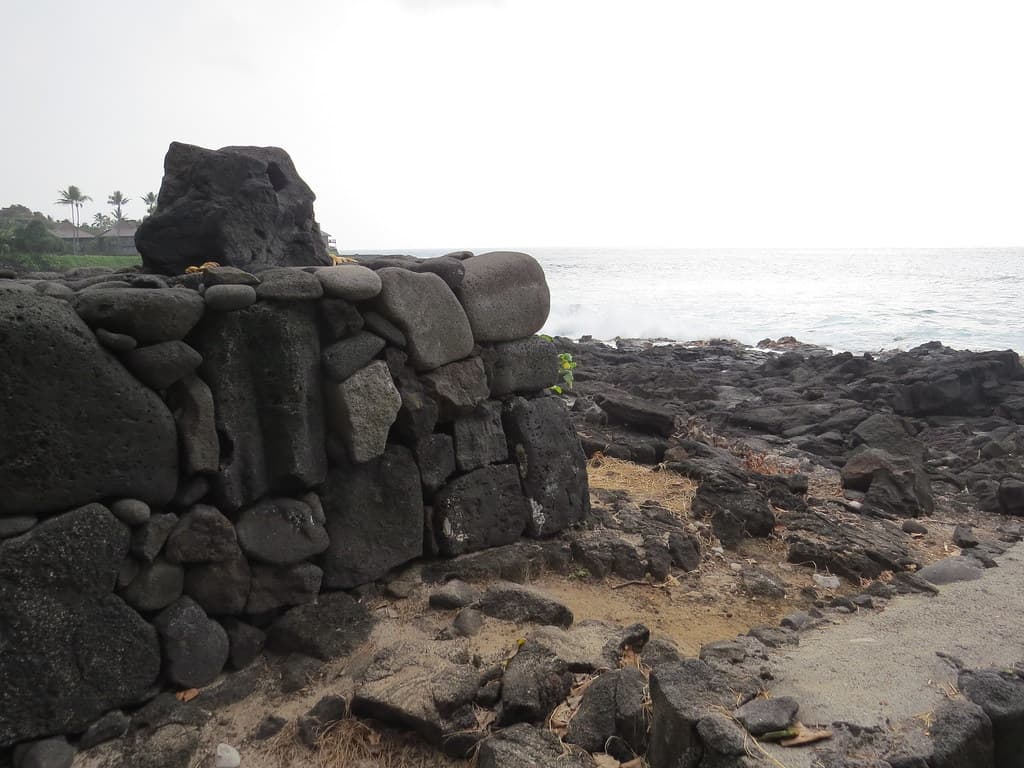
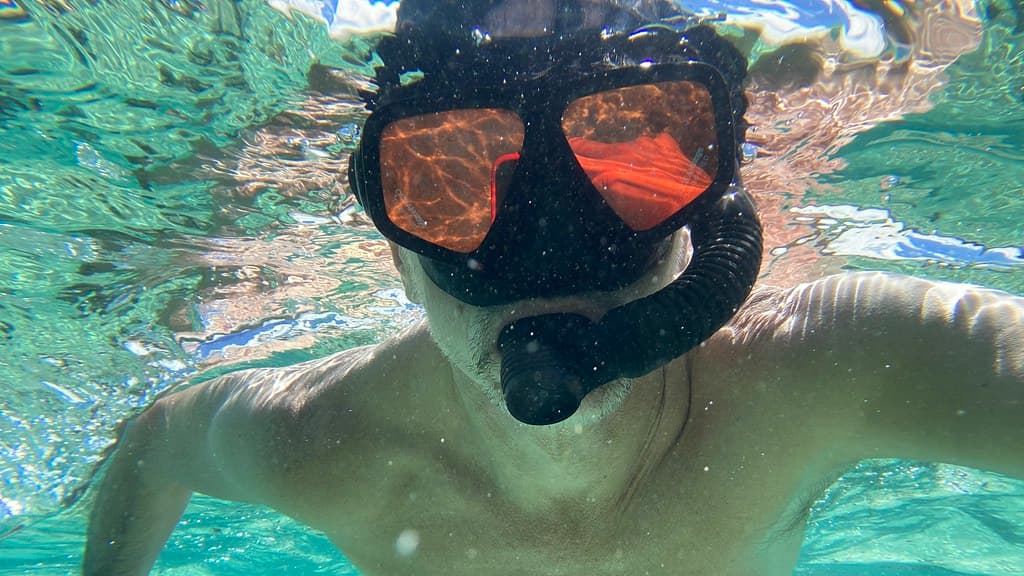
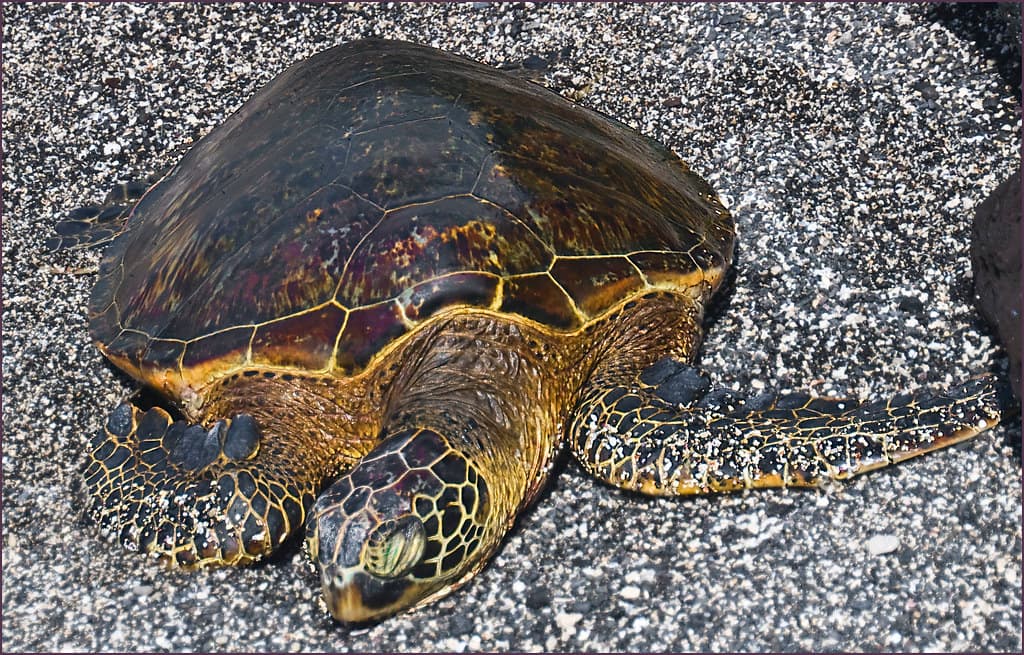
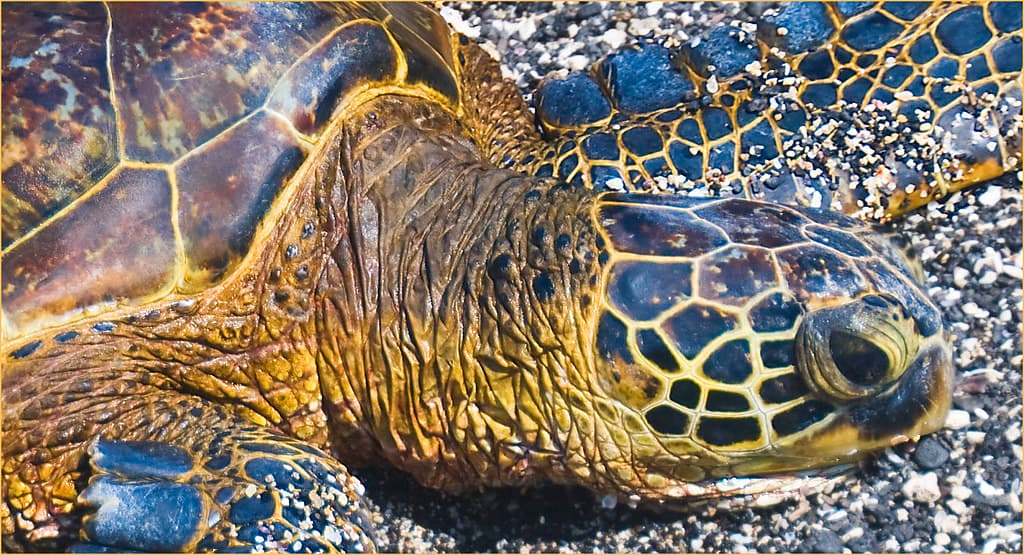
The moment you step off the grass onto black-and-white pebbled sand, you'll notice families crouched at the water's edge, faces submerged, pointing at something just below the surface. Kahalu'u sits inside a protected bay where the reef begins so close to shore that you'll spot parrotfish and wrasse before the water reaches your knees. Ancient lava formations create natural swim lanes, and the clarity—even on cloudy days—lets you track every ripple of a spotted boxfish. The honu, Hawaii's green sea turtles, treat this bay as their personal salad bar, surfacing between bites of limu to breathe an arm's length from snorkelers. Volunteers from the reef education program station themselves at the shoreline, helping visitors understand the fragile ecosystem beneath them. You'll want to arrive before 10 a.m., when the parking lot still has space and the water hasn't yet filled with midday crowds. What makes Kahalu'u exceptional for families is the gentleness of it all: sandy entries between the rocks, lifeguards scanning the bay from their tower, and a pavilion with showers and picnic tables shaded by coconut palms. The reef drops off suddenly at the bay's edge, marked by a current strong enough to sweep you seaward, but inside that boundary you'll float above a living aquarium where butterflyfish pick at coral and octopuses hide in crevices worn smooth by centuries of tide.
Places, rentals, tours and events within walking and driving distance of Kahalu?u Beach Park.
Photos
Kahalu'u Beach Park is generally safe for swimming and snorkeling, especially for beginners and families, thanks to its protective reef that creates calm, shallow waters. However, be aware of strong currents near the reef edges and during high surf conditions. The beach has lifeguards on duty daily. Sharp coral and rocks require reef-safe footwear. Respect the marine life, including sea turtles that frequent the area. Mornings typically offer calmer conditions. Always check with lifeguards about current conditions before entering the water.
Kahalu'u Beach Park offers excellent snorkeling year-round due to Hawaii's consistent tropical climate. For the best visibility and calmest waters, visit during morning hours before winds pick up, typically between 7 AM and 11 AM. Summer months (May-September) generally have calmer ocean conditions, while winter can bring larger swells. The beach gets crowded, especially on weekends and holidays, so arriving early ensures easier parking and a better experience. Water temperature remains comfortable throughout the year, ranging from 75-80°F.
Kahalu'u Beach Park is located about 5 miles south of Kailua-Kona town center along Ali'i Drive (Highway 11). The beach is easily accessible by car with a dedicated parking lot on-site. Parking is free but spaces fill quickly, especially on weekends and during peak hours. Arriving before 9 AM is recommended. The beach is also accessible via public bus (Hele-On Bus). Look for the well-marked entrance and signs along Ali'i Drive. Limited street parking is available nearby if the lot is full.
Kahalu'u Beach Park offers basic amenities including restrooms, outdoor showers, picnic tables, and pavilions. There's a small snack and gear rental shop near the beach entrance. However, full-service restaurants are not on-site. For dining options, drive a few minutes north toward Kailua-Kona where you'll find numerous restaurants, cafes, and grocery stores along Ali'i Drive. It's advisable to bring your own food, drinks, and snacks for a beach day. Nearby accommodations range from vacation rentals to resorts along the Kona coast.
Kahalu'u Beach Park is one of the most reliable spots on the Big Island for sea turtle sightings. Green sea turtles (honu) frequently visit the shallow bay to feed on algae and rest near the rocks and reef. You'll often see them swimming close to shore or basking on the beach. Remember to maintain a respectful distance of at least 10 feet from turtles, as they're protected under federal law. Never touch, chase, or feed them. The Kahalu'u Bay Education Center on-site provides information about marine conservation.