Counting the waves…
Counting the waves…

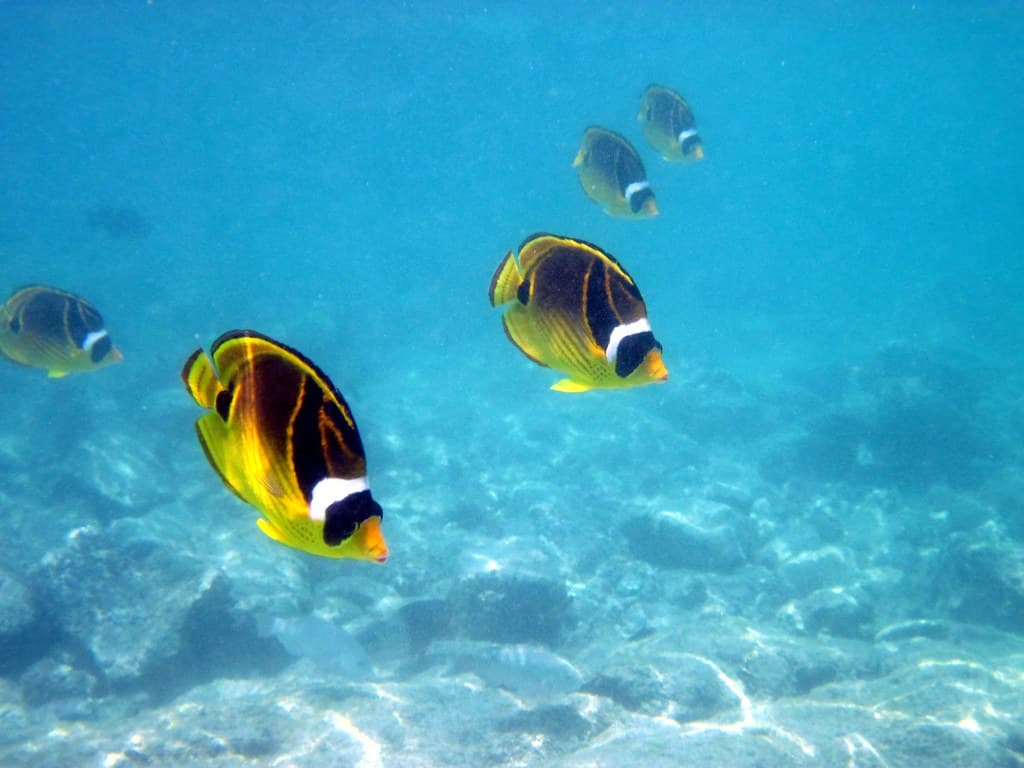
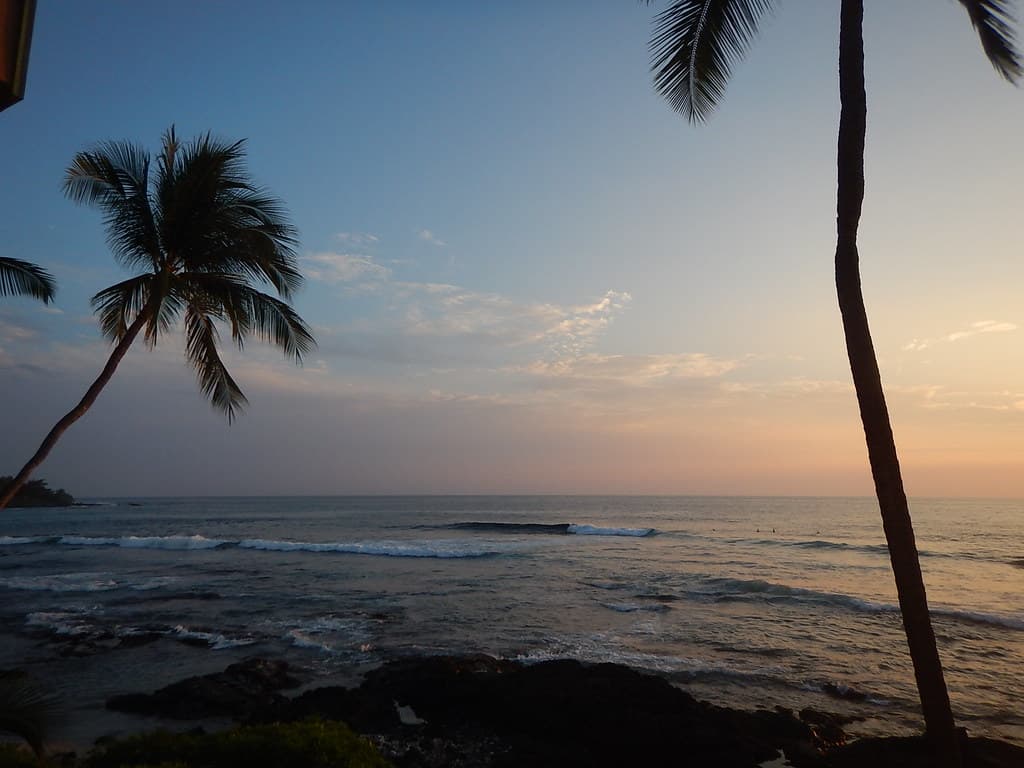
Magic Sands sits tucked along Ali'i Drive, a sliver of white coral sand flanked by jagged black basalt that tells you exactly where the Pacific wants to go. During calm summer months, the beach stretches wide enough for volleyball games and beach towel real estate. Come October, swells hammer the coast and the sand migrates offshore, exposing the rocky bench beneath and transforming the entire bay into a roiling whitewater playground. Locals call it La'aloa, but the magic nickname stuck after decades of watching the coastline shape-shift. You'll see bodyboarders threading the shorebreak barrels, their fins slicing through churning foam as waves peel left and right over the shallow shelf. The entry is abrupt—no gradual wade here—and the current runs strong when the surf's up. Lifeguards post flags, but you'll need to read the ocean yourself: if the sand's gone, the swimming isn't. Palm trees fringe the narrow park behind the beach, offering pockets of shade over picnic tables scarred by salt air. Showers and restrooms anchor the south end, near where snorkelers pick their way over lava rock during flat spells, hunting for humuhumunukunukuapua'a in the tidepools. The beach doesn't sprawl or seduce with postcard panoramas—it pulses, appearing and disappearing on the island's own geological clock.
Places, rentals, tours and events within walking and driving distance of Magic Sands Beach (La?aloa Beach).
Photos
Swimming safety at Magic Sands varies significantly by season and ocean conditions. During summer months, the beach typically has calm waters ideal for swimming and bodyboarding. However, winter brings powerful surf and strong currents that can be dangerous for inexperienced swimmers. The beach is called "Magic Sands" because the sand periodically disappears during high surf, leaving only lava rock. Always check ocean conditions before entering, observe posted warnings, and never swim alone. Lifeguards are usually on duty, but exercise extreme caution during high surf advisories.
Magic Sands Beach is accessible year-round, but conditions vary dramatically by season. Summer months (May-September) offer calmer waters perfect for swimming, snorkeling, and bodyboarding, with the beach's white sand typically present. Winter (October-April) brings larger waves attracting experienced surfers and bodyboarders, though the sand often washes away, exposing lava rock. For families and casual swimmers, visit during summer. Surf enthusiasts prefer winter swells. Afternoons can be crowded with locals after work and school, so mornings are generally quieter for visitors.
Magic Sands Beach has a small parking lot directly adjacent to the beach on Ali'i Drive in Kailua-Kona. The lot fills quickly, especially on weekends and during peak afternoon hours when locals arrive after work. Arrive early morning for best parking availability. Limited street parking is available along Ali'i Drive, but be mindful of posted restrictions. The beach is located about 4 miles south of downtown Kailua-Kona, easily accessible by car. Some visitors bike or walk from nearby hotels along the coastal road.
Magic Sands Beach has basic facilities including restrooms, outdoor showers, and lifeguard services. There's no on-site food vendors, but the beach is located along Ali'i Drive where you'll find several restaurants, cafes, and convenience stores within a short drive or walk. Numerous condos, vacation rentals, and hotels line the Kailua-Kona coast nearby. Bring your own snacks, drinks, and beach equipment, as there are no rental services directly at the beach. Shaded areas are limited, so bring umbrellas or sun protection.
Magic Sands Beach earned its name from the fascinating phenomenon where the white sand beach periodically vanishes, usually during winter's high surf and strong currents. Powerful waves wash the sand offshore into deeper water, leaving only black lava rock. When conditions calm, typically in summer, the sand gradually returns, restoring the beach. This cycle can happen multiple times per year and has occurred for decades. The disappearing act makes it unique among Hawaii's beaches and demonstrates the dynamic nature of coastal environments.