Counting the waves…
Counting the waves…

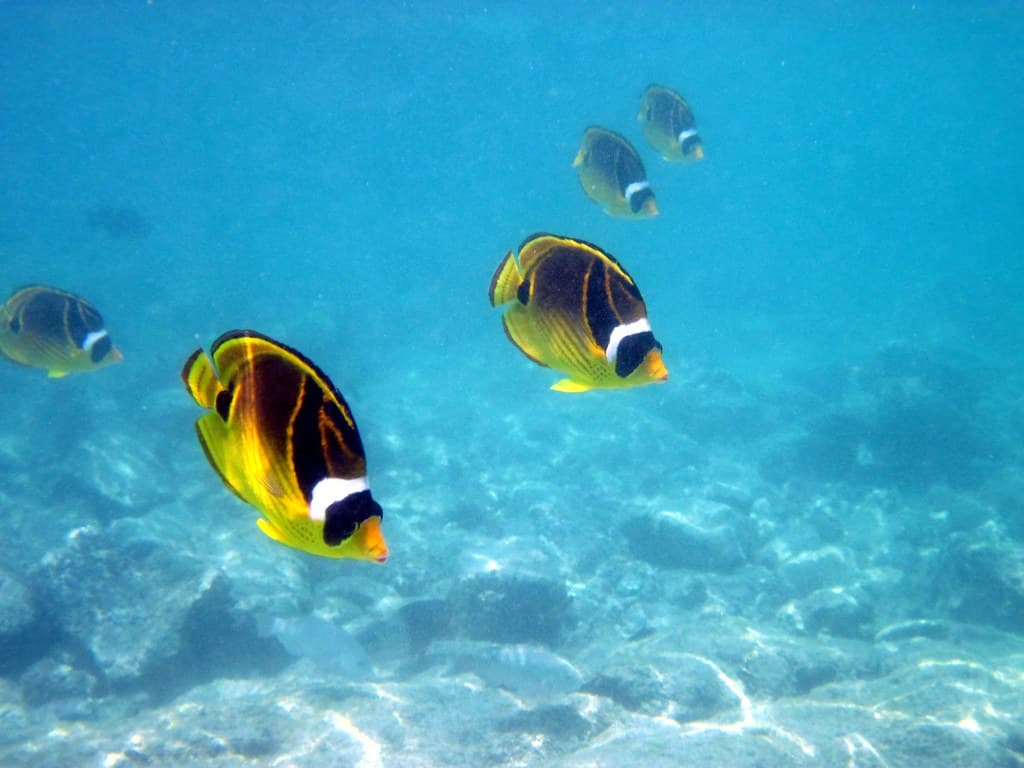
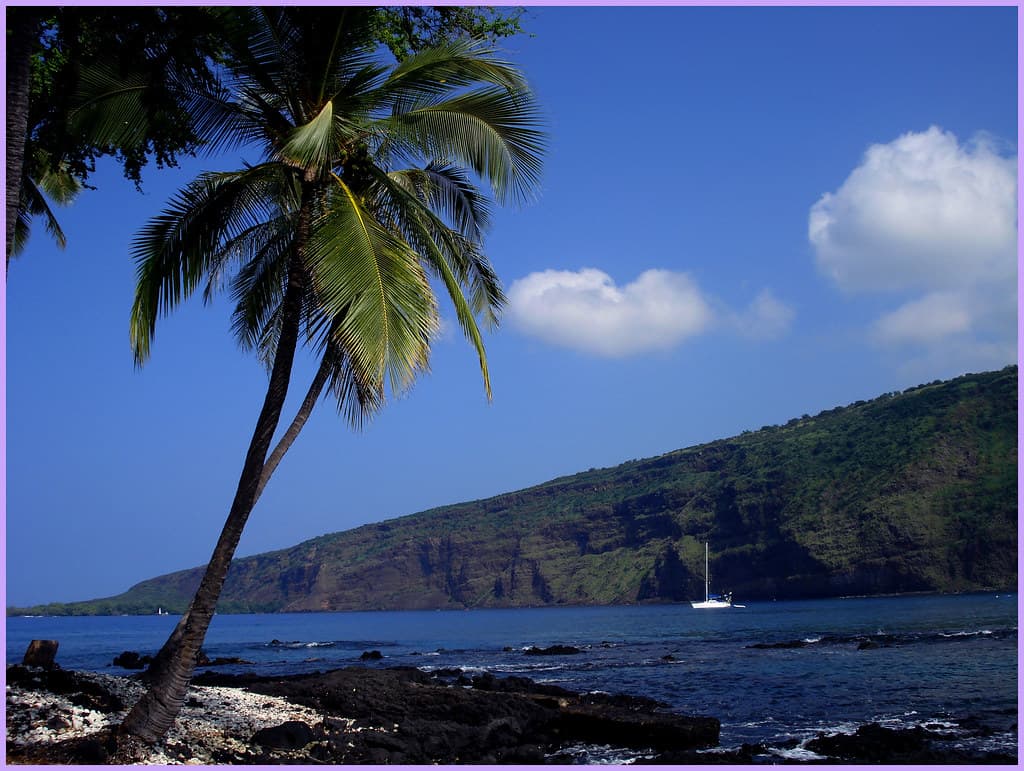
The moment you slip into Kealakekua Bay, the volcanic rock walls rising 600 feet above seem to fold the ocean into stillness. This marine life conservation district forbids fishing and anchoring, so the reef thrives in shades of rust, violet, and lime—butterflyfish weave through staghorn coral while octopuses pulse across lava ledges. The bay earned its somber footnote in 1779 when Captain James Cook fell here during a skirmish; a white obelisk now marks the spot on the northern shore, accessible only by water or a rugged four-mile trail. You'll earn your swim. Most visitors launch kayaks from Napoopoo Beach Park at dawn, paddling across the bay's cobalt expanse before the trade winds chop the surface. Others descend the Captain Cook Monument Trail, a shadeless, ankle-twisting scramble that drops 1,300 feet in two miles—bring twice the water you think you need. Once you arrive, the reward is immediate: schools of manini graze algae inches from your mask, and if you time it right, pods of spinner dolphins rest in the shallows after their nocturnal hunt offshore. The bay's geography creates a natural amphitheater. Lava flows from Mauna Loa built these cliffs over millennia, and the same forces carved underwater caves and arches that now shelter green sea turtles. You won't find vendors, showers, or lifeguards—just the hum of your breath through a snorkel and the occasional splash of a dolphin breaking the surface.
Places, rentals, tours and events within walking and driving distance of Kealakekua Bay Beach.
Photos
Kealakekua Bay is generally safe for swimming and snorkeling, with calm, clear waters most of the year. The bay is a protected marine sanctuary, so conditions are typically gentle. However, winter months can bring larger swells and stronger currents. Always check daily conditions before entering the water. The bay's main hazards include sharp lava rocks along the shore and occasional strong currents near the mouth of the bay. Wear reef-safe sunscreen and water shoes for protection. Dolphins frequently visit, but maintain respectful distance from all marine life.
Kealakekua Bay offers excellent conditions year-round, though each season has advantages. Summer (May-September) provides the calmest, clearest waters ideal for snorkeling, with visibility often exceeding 100 feet. Winter months still offer good conditions but may see occasional swells. Early morning visits (7-10am) provide the best visibility, fewer crowds, and calmer surface conditions before afternoon winds pick up. The bay's protected location means weather is consistently sunny and warm throughout the year, making it reliable for planning visits any time.
Reaching Kealakekua Bay requires effort as there's no direct road access to the main beach. Most visitors arrive by kayak rental from Napoopoo (roughly 1 mile paddle) or book guided boat tours from nearby Keauhou or Kailua-Kona. Adventurous travelers can hike the steep 2-mile trail from Highway 11, but it's challenging with limited marked parking at the trailhead. The Captain Cook Monument marks the prime snorkeling spot. Kayak outfitters are located in Captain Cook town with dedicated parking for renters.
Kealakekua Bay itself has no amenities—no restrooms, showers, food vendors, or facilities. It's a remote, protected marine sanctuary. Visitors must bring all supplies, including water, snacks, and sun protection. The nearest services are in Captain Cook town, about 15 minutes away, offering restaurants, grocery stores, and gas stations. Napoopoo, where kayak rentals launch, has limited facilities. Lodging options include vacation rentals in Captain Cook and nearby Kealakekua town. Most visitors stay in Kailua-Kona, 30-40 minutes north, which offers full resort amenities and dining.
Kealakekua Bay is famous for spinner dolphin sightings, particularly in early morning hours when pods rest in the calm bay waters after nighttime feeding. While dolphins appear frequently, sightings aren't guaranteed. Federal regulations prohibit swimming toward, touching, or attempting to interact with dolphins—maintain at least 50 yards distance. Violations carry significant fines. If dolphins approach you while snorkeling, remain still and let them pass naturally. The bay's protected status and abundant marine life, including tropical fish and occasional manta rays, make it exceptional even without dolphin encounters.