Counting the waves…
Counting the waves…

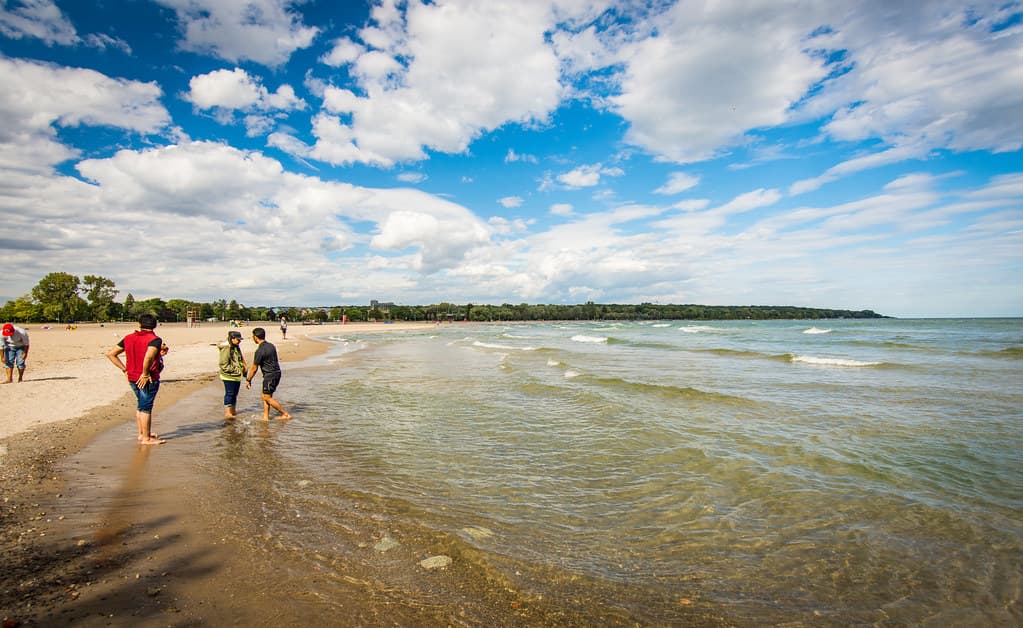
You cut the motor and pole through the final quarter-mile of shallow water, the aluminum hull scraping oyster beds as you approach a beach that exists on few maps and fewer itineraries. East Marsh Island's Gulf-facing shore stretches in both directions—a low, windswept strand where willet calls mix with the tick of fiddler crabs retreating into their burrows. The sand here carries a faint caramel tint, studded with coquina fragments and the occasional whelk shell still bearing its purple interior. Behind the narrow berm, brackish ponds shimmer in the heat, their edges thick with black mangrove and the kind of silence that feels earned. The water itself runs warm and murky, stirred by tides that push sediment from the Atchafalaya Delta westward along this unprotected coast. You won't find beach umbrellas or lifeguard stands. What you will find: dolphin fins stitching the nearshore swells, sanderlings chasing foam up the beach, and a horizon broken only by the occasional shrimp trawler working offshore. By late afternoon, the westward sun turns the Gulf to hammered copper, and the mosquitoes remind you why you packed the extra repellent. This is Louisiana's coast at its most elemental—a place where land dissolves into water in slow motion, where hurricanes redraw the shoreline with each passing season, and where solitude comes standard with every trip across Vermilion Bay.
Places, rentals, tours and events within walking and driving distance of East Marsh Island Beach.
Photos
Swimming conditions at East Marsh Island Beach can be unpredictable due to strong Gulf currents, changing tides, and potential marine life including jellyfish and stingrays. There are no lifeguards on duty at this remote location. The water clarity varies depending on weather and seasonal conditions. Before entering the water, check current weather forecasts and tide schedules. Always swim with a companion and remain cautious of riptides. This isolated beach has no emergency services immediately nearby, so visitors should exercise extra caution and assess conditions carefully before swimming.
East Marsh Island Beach can be visited year-round, though spring and fall (March-May, September-November) offer the most comfortable conditions with mild temperatures and fewer insects. Summer brings heat, humidity, and mosquitoes, but also warm Gulf waters. Winter provides cooler, pleasant weather for beachcombing, though water temperatures drop. Hurricane season runs June through November, requiring weather monitoring. Sunset viewing is excellent throughout the year. Consider visiting during weekdays for maximum solitude, as this remote location sees few visitors regardless of season, making it ideal for those seeking uncrowded coastal experiences.
East Marsh Island Beach requires boat access only—there is no road connection or bridge to Marsh Island's Gulf-facing beaches. Visitors must arrange private boat transportation or charter services from nearby coastal communities like Intracoastal City or Vermilion Bay areas. The journey involves navigating Louisiana's coastal waterways and marshes. There are no parking facilities, visitor centers, or developed boat launches at the beach itself. Some visitors access the island via kayak or shallow-draft vessels. Due to its remote nature, careful trip planning, navigation skills, and appropriate marine equipment are essential for safe access.
East Marsh Island Beach has absolutely no facilities, amenities, restaurants, or lodging. This is an undeveloped, remote wilderness beach. Visitors must bring all supplies including food, water, sun protection, and safety equipment. The nearest services are on the mainland, at least an hour's boat ride away in communities like Intracoastal City or Erath. There are no restrooms, showers, or freshwater sources on-site. Camping may be possible but requires complete self-sufficiency and awareness of changing tides and weather. Plan as you would for backcountry camping, packing out all trash and supplies.
East Marsh Island Beach sits within one of Louisiana's richest coastal wildlife areas. Visitors frequently spot brown pelicans, herons, egrets, roseate spoonbills, and numerous shorebirds. The surrounding marshes support alligators, though they're less common on the Gulf beach itself. Dolphins often appear offshore, and sea turtles occasionally nest on the beach during summer months. The area is also prime habitat for migratory birds during spring and fall. Anglers encounter redfish, speckled trout, and flounder in nearby waters. This pristine ecosystem offers exceptional wildlife viewing for nature enthusiasts willing to make the journey.