Counting the waves…
Counting the waves…

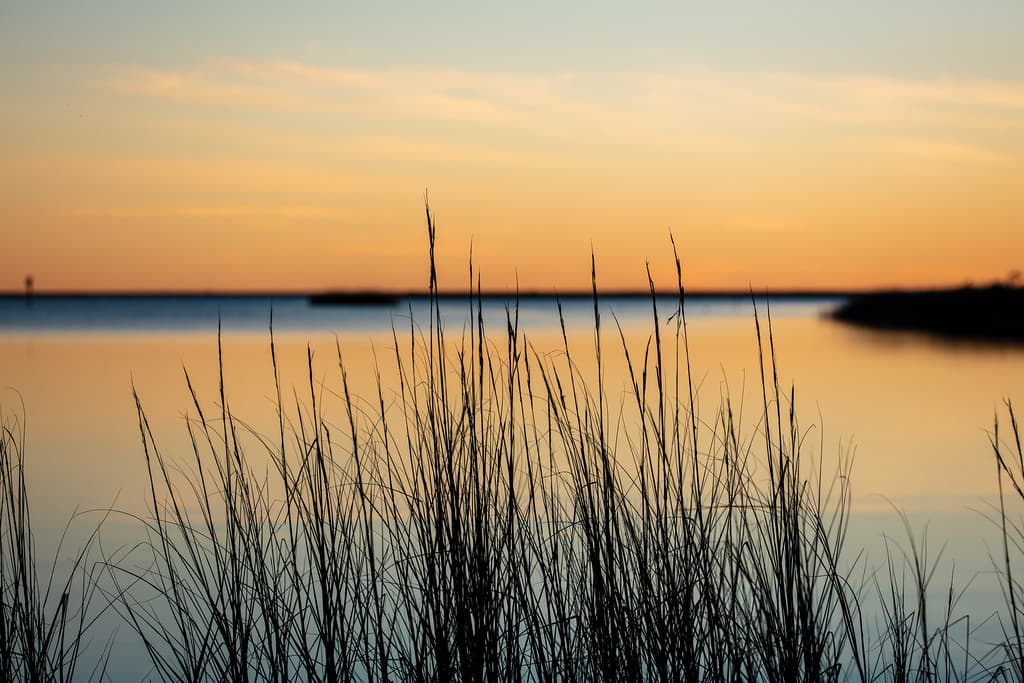
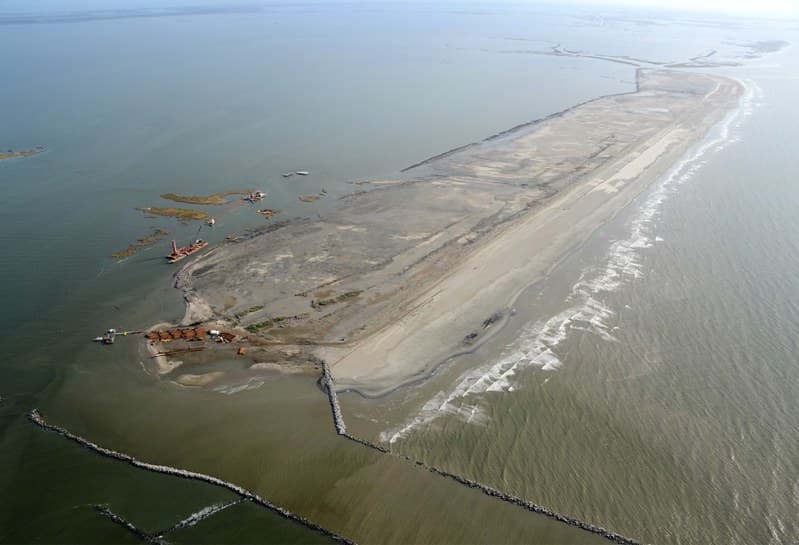
The engine cuts and your boat nudges onto a beach that feels salvaged from the edge of the continent. Marsh Island's Gulf face stretches in a ragged crescent, backed not by dunes but by acres of black needlerush and wiregrass that hiss in the onshore wind. The sand is coarse, shell-flecked, littered with bleached crab carapaces and the occasional rusted drum buoy. This is coastal Louisiana stripped to its bones—no lifeguard towers, no beach bars, just the Gulf of Mexico lapping at one of the state's last uninhabited barrier systems. You share the strand with brown pelicans, laughing gulls, and the occasional shrimper checking trotlines offshore. The water runs murky green, stirred by tidal currents that flush Atchafalaya sediment into the Gulf. At dusk, the sky ignites in shades of persimmon and gunmetal, the sun sinking behind a horizon unbroken by condos or piers. The air smells of brine, decomposing marsh wrack, and the faint diesel exhaust from your idling outboard. This is not a beach for sunbathing tourists. It's for birders, anglers, and those who find beauty in erosion and resilience—a place where the land is still negotiating its terms with the sea, and you're invited to witness the conversation.
Places, rentals, tours and events within walking and driving distance of Marsh Island Gulf Beach.
Photos
Swimming conditions at Marsh Island Gulf Beach can be challenging due to its remote, barrier-island location. The Gulf waters here typically experience stronger currents and fewer lifeguards or safety services compared to developed beaches. Weather conditions can change rapidly, and during hurricane season (June-November), conditions may be particularly hazardous. Always check marine forecasts before visiting, avoid swimming alone, and be aware that emergency services are not immediately accessible. The beach's isolation means help could be far away in case of trouble.
Marsh Island Gulf Beach can be visited year-round, with each season offering different experiences. Spring (March-May) and fall (September-November) provide mild temperatures and excellent birdwatching opportunities, as the area is along major migratory routes. Summer brings warm weather ideal for beach activities, though heat and humidity can be intense. Winter months are cooler and less crowded. Hurricane season runs June through November, so monitor weather forecasts closely during these months. Sunset viewing is spectacular throughout the year at this Gulf-facing location.
Marsh Island Gulf Beach requires boat access only, as there are no roads connecting to this remote barrier-island location. Visitors must arrange private boat transportation from nearby launch points in Iberia Parish or hire local charter services from communities like Intracoastal City or Delcambre. The journey crosses coastal marshes and waterways, requiring navigation experience. There is no traditional parking infrastructure on the island. Plan your trip carefully, bring all necessary supplies, and ensure you have reliable transportation arrangements for both arrival and departure from this isolated Gulf destination.
Marsh Island Gulf Beach has no on-site amenities, restaurants, or lodging facilities due to its remote, undeveloped nature. This is a true wilderness beach where visitors must be completely self-sufficient. Bring all food, water, sun protection, and camping gear if planning to stay. The nearest services are on the mainland in Iberia Parish communities like Delcambre, Erath, or Abbeville, which offer restaurants, lodging, and supplies. Always pack out all trash and prepare for a primitive beach experience with no facilities, freshwater, or emergency services readily available.
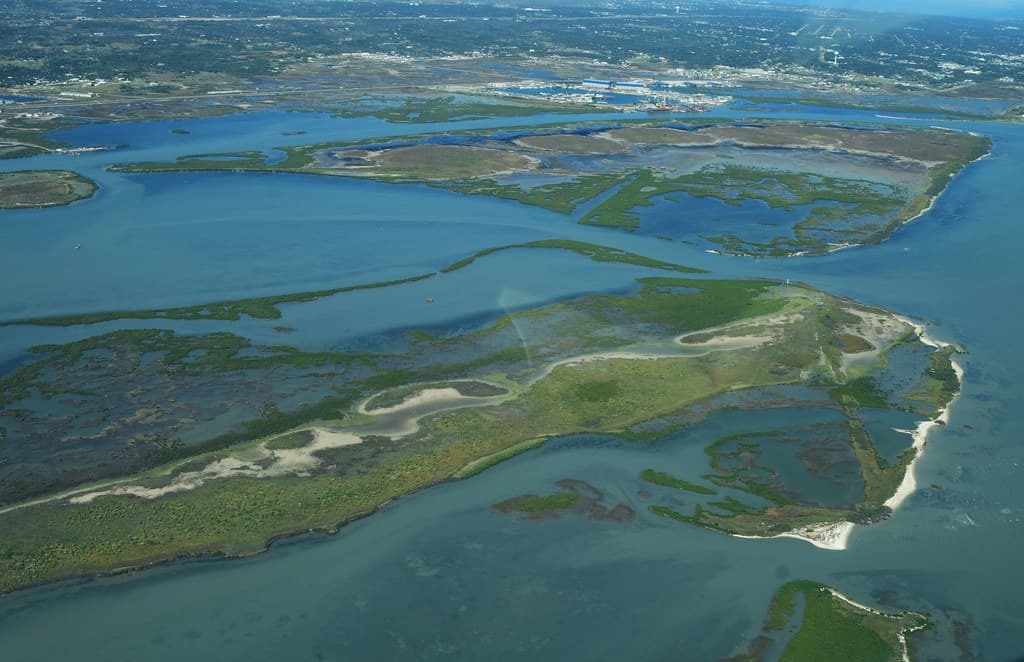
Marsh Island Gulf Beach stands out as one of Louisiana's few true barrier-island Gulf beaches, offering a rare wilderness coastal experience in the state. Unlike developed beaches, this remote location provides pristine, undisturbed shoreline accessible only by boat, making it feel worlds away from civilization. The beach sits at the intersection of coastal marsh ecosystems and Gulf waters, creating exceptional wildlife viewing opportunities, particularly for birds. Its isolation and natural state offer visitors a glimpse of Louisiana's coast as it existed before development, though this requires serious preparation and self-sufficiency.