Counting the waves…
Counting the waves…

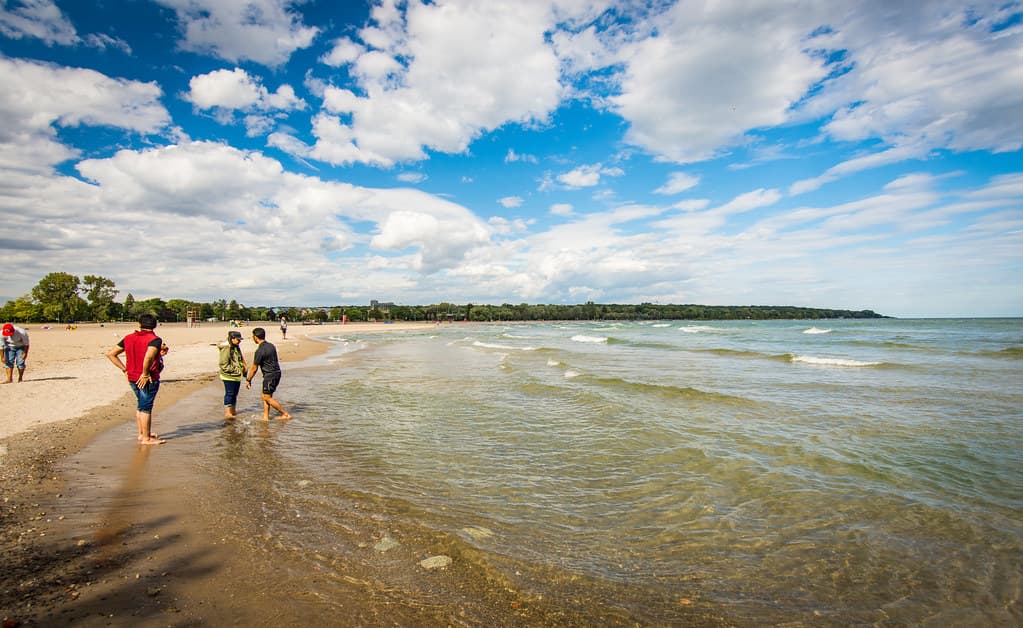
The boat ride from the mainland takes forty minutes through a labyrinth of spartina channels, past crabbing skiffs and oilfield service vessels, before you beach on sand the color of wet cardboard. This is not the Emerald Coast. The water here runs olive-green, sediment-rich from the Atchafalaya's constant outflow, and the shoreline shifts with every hurricane season. But what West Marsh Island lacks in postcard clarity it returns in solitude—you'll share this beach with roseate spoonbills, laughing gulls, and the occasional shrimper checking trawl lines offshore. The westward view opens onto uninterrupted Gulf horizon, best at dusk when the sun drops behind distant oil platforms and stains the water copper and rose. Flotsam litters the high-tide line: driftwood silvered by salt, crab traps trailing frayed rope, the occasional message-in-a-bottle from Veracruz. Bring everything you need; there are no facilities, no shade, no freshwater taps. You'll feel the tug of impermanence here. Coastal scientists predict Marsh Island's beaches will recede another hundred feet by decade's end, victims of subsidence and rising seas. For now, though, this strand endures—a place where Louisiana's working coast meets the Gulf on its own unhurried, unpolished terms, and you can walk a mile without seeing another footprint.
Places, rentals, tours and events within walking and driving distance of West Marsh Island Beach.
Photos
Swimming conditions at West Marsh Island Beach can be challenging due to unpredictable Gulf currents, waves, and coastal wildlife including alligators in adjacent marshlands. There are no lifeguards on duty, as this is an undeveloped, remote beach. Visitors should exercise caution, avoid swimming alone, and be aware of changing tides and weather conditions. The beach's isolation means emergency services are not immediately accessible. Always check marine forecasts before visiting and consider the lack of facilities when planning water activities.
West Marsh Island Beach can be visited year-round, though spring (March-May) and fall (September-November) offer the most comfortable conditions with mild temperatures and fewer mosquitoes. Summer brings heat, humidity, and biting insects but excellent sunset viewing. Winter is cooler and less buggy. Hurricane season runs June through November, requiring careful weather monitoring. The remote location means conditions can change rapidly, so checking forecasts is essential regardless of season. Sunset visits are particularly rewarding given the beach's western Gulf orientation.
West Marsh Island Beach requires boat access only—there are no roads or bridges to the island. Visitors must launch from mainland Louisiana marinas or boat ramps in Vermilion or Iberia parishes, then navigate coastal waters to reach the Gulf-facing western shore. This typically involves a multi-mile boat journey through marshes and open water. There is no parking, no dock, and no developed infrastructure. Only experienced boaters familiar with Louisiana coastal navigation should attempt this trip. Charter services may be available from nearby communities.
West Marsh Island Beach has absolutely no amenities, facilities, restaurants, or lodging. This is a completely undeveloped barrier beach accessible only by boat. Visitors must bring all supplies, including water, food, sun protection, and emergency equipment. The nearest services are on the mainland in communities like Intracoastal City or Erath, requiring a boat journey back. Plan for complete self-sufficiency. There are no restrooms, trash facilities, or fresh water sources. Accommodations must be arranged on the mainland before your boat trip.
Yes, West Marsh Island is part of a rich coastal ecosystem supporting diverse wildlife. Visitors commonly spot shorebirds, pelicans, herons, and migratory species, particularly during spring and fall. The surrounding marshes host alligators, so maintain safe distances from vegetation and water edges. Dolphins occasionally appear in Gulf waters offshore. Sea turtles nest on Louisiana beaches seasonally. The isolation makes wildlife encounters more likely than at developed beaches. Bring binoculars and respect wildlife by observing from appropriate distances without disturbing nesting or feeding areas.