Counting the waves…
Counting the waves…

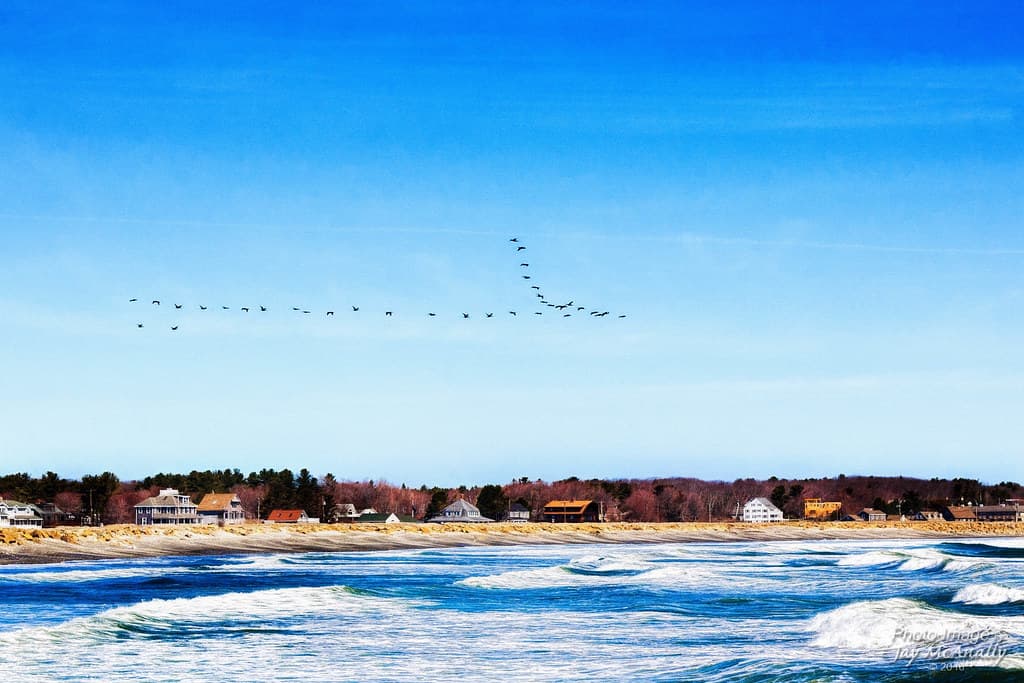
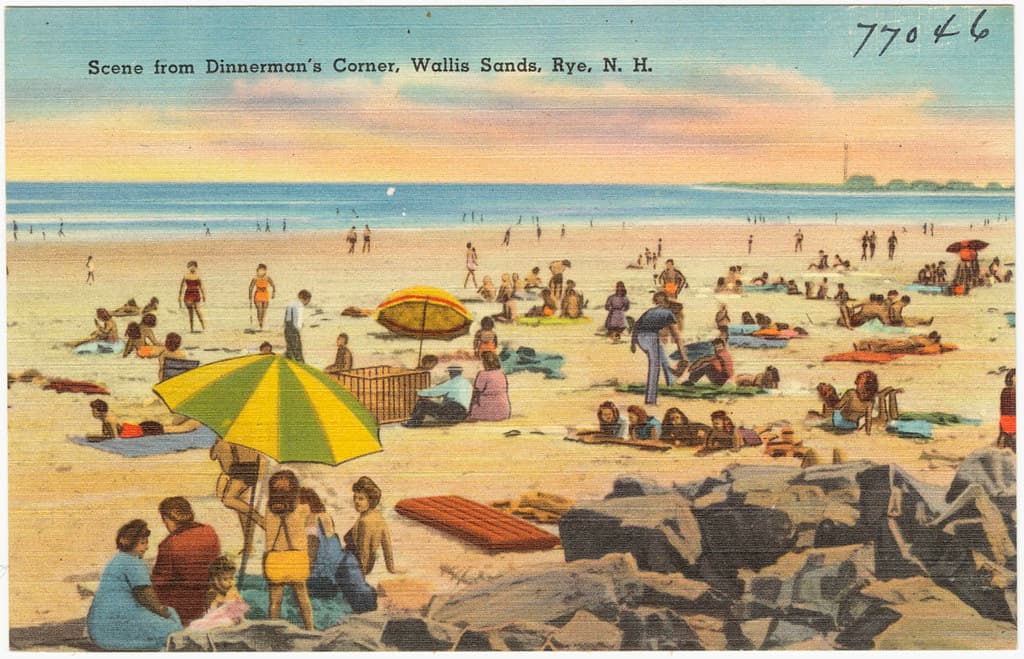
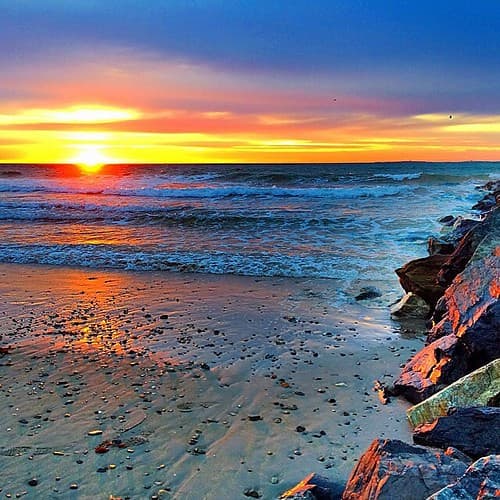
You park in the municipal lot where cars idle with tailgates down, coolers wedged between beach chairs, and grandparents applying zinc to wriggling grandchildren. The beach itself is intimate—narrow at high tide, broader when the Atlantic retreats to expose slick ledges studded with mussels and barnacles. Waves arrive in quick succession, chest-high on a good northeast swell, breaking over a rocky bottom that keeps the water bracingly cold even in August. The beachgoer next to you has been coming since 1974; her daughter now brings her own children to the same spot near the southern rocks. Lifeguards patrol from late June through Labor Day, perched on wooden stands painted Coast Guard white. A cinderblock bathhouse offers cold-water showers and changing stalls that smell of Coppertone and damp towels. The snack bar dispenses soft-serve cones and fried clams, the kind of sustenance that tastes better with sand between your toes. Beyond the seawall, traffic hums along 1A, a reminder that wilderness is not the point here—accessibility is. You'll notice the same families return year after year, staking territory by 9 a.m., their beach tags worn on lanyards like badges of belonging. The rocks at either end become playgrounds at low tide, revealing starfish the color of burnt orange and crabs scuttling beneath ribbons of kelp. This is not a beach for solitude; it's a beach for tradition, for teaching your children to read the waves the way your parents taught you.
Places, rentals, tours and events within walking and driving distance of Wallis Sands Beach.
Photos
Wallis Sands Beach is generally considered family-friendly for swimming, with lifeguards on duty during summer season (typically late June through Labor Day). The beach features a gradual slope into the water, making it suitable for children. However, conditions vary with tides and weather. Strong currents and waves can occur during storms or high tide. Always swim near the lifeguard station, check posted warnings, and supervise children closely. The rocky areas at either end of the beach require caution. Water temperatures are coldest in spring and warmest in late summer.
The best time to visit Wallis Sands Beach is between late June and early September when lifeguards are present and water temperatures are warmest (60-68°F). July and August offer the most reliable beach weather, though weekends get crowded. For fewer crowds, visit weekdays or early mornings. Spring and fall provide beautiful coastal walks but cold water. The beach is open year-round for walking and scenery. Arrive early during summer as the small parking lot fills quickly, especially on sunny weekends and holidays.
Wallis Sands Beach has a state park parking lot directly at the beach on Ocean Boulevard (Route 1A) in New Castle. Parking requires a fee during summer season (typically $15-20 per vehicle for non-NH residents; NH residents pay less). The lot holds approximately 200 cars and fills early on nice days—arrive before 10am on summer weekends. From Portsmouth, take Route 1B east to New Castle, then follow signs to Route 1A south. Street parking is extremely limited and regulated. No overnight parking is permitted.
Wallis Sands Beach has a bathhouse with restrooms, changing facilities, and outdoor showers. A small snack bar operates during summer season offering basic beach food like hot dogs, ice cream, and drinks. For more dining options, drive to nearby Rye (2 miles south) or Portsmouth (3 miles west) which offer numerous restaurants. No hotels are directly on the beach, but lodging is available in Portsmouth, Rye, and along the New Hampshire seacoast. Bring beach chairs and umbrellas as rentals aren't typically available.
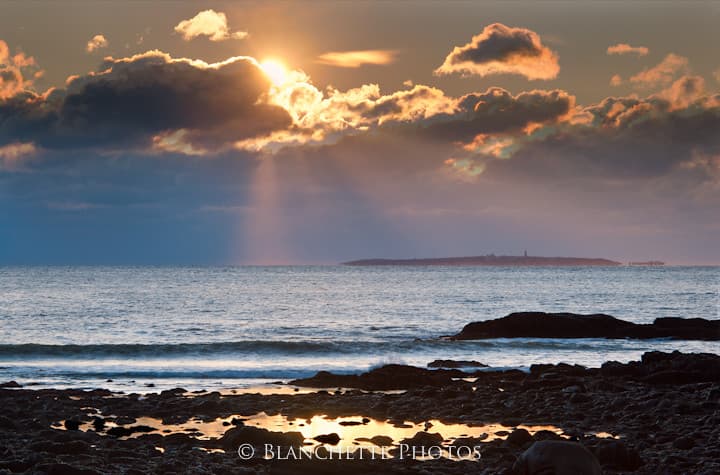
Wallis Sands is New Hampshire's smallest state beach, offering a more intimate, less commercialized atmosphere than nearby Hampton Beach. Its compact size creates a neighborhood feel popular with families. The beach features distinctive fine, light-colored sand and is backed by residential homes rather than hotels. Located on a peninsula in historic New Castle—New Hampshire's smallest town and former colonial capital—it offers stunning views of the Isles of Shoals. The beach also provides excellent opportunities for surfing during appropriate conditions, particularly in fall and winter.