Counting the waves…
Counting the waves…

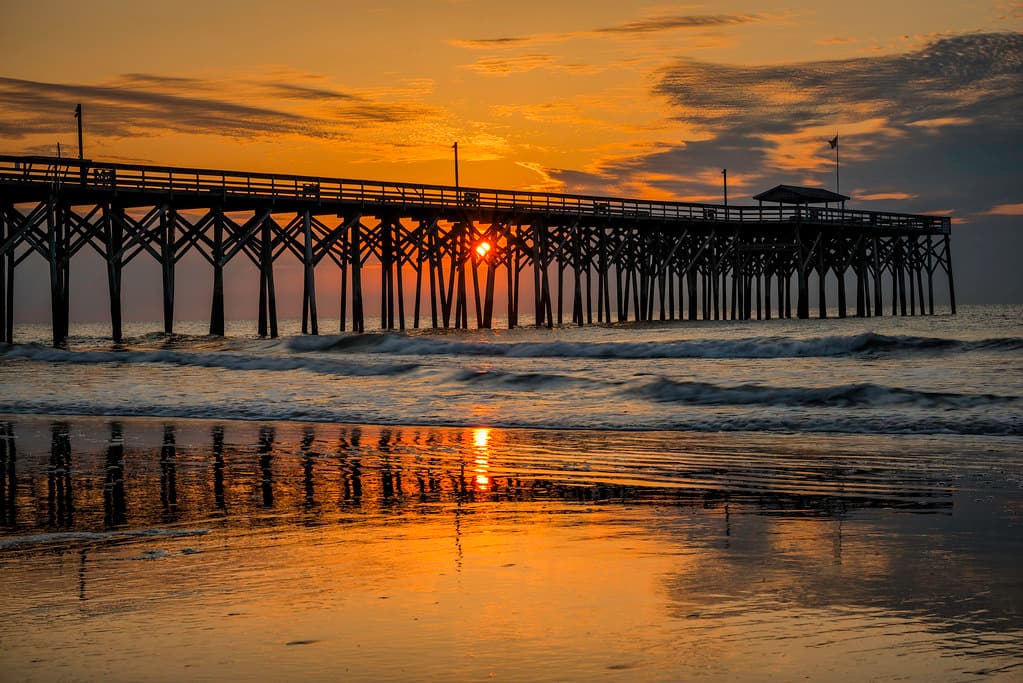
Wrightsville Beach operates on surf time. Dawn patrol gathers at Crystal Pier, where the pilings create predictable sandbars and the offshore breeze grooms the faces of waist-high swells. By midmorning, stand-up paddleboarders glide through the Intracoastal Waterway channels behind the island, weaving between marsh grasses while herons stalk the shallows. The water temperature hovers around seventy-two degrees in summer, dropping only to the mid-fifties in January—cold enough to require a spring suit, but never enough to close the lineup. The island spans barely a mile wide, connected to Wilmington by a causeway that locals cross multiple times daily to check conditions. Johnnie Mercer's Pier stretches 1,200 feet into the Atlantic on the north end, its weathered planks creaking under the weight of anglers pulling in spots and pompano. You'll find no high-rises blocking the wind here—strict building codes keep development low-slung, preserving sight lines and the consistent cross-shore breezes that make this a windsurfing destination when the swells flatten. The town itself runs barely six blocks deep, its handful of surf shops and taco counters clustered near the Lumina Avenue access points. Between sessions you'll walk sandy-footed into Tower 7, where regulars order fish tacos still steaming from the fryer, or drift toward South End Surf Shop, where the staff knows the sandbars by name and can tell you which break is firing without checking their phones.
Places, rentals, tours and events within walking and driving distance of Wrightsville Beach.
Photos
Wrightsville Beach is generally safe for swimming, with ocean rescue lifeguards stationed at several locations from late May through early September. The beach experiences moderate surf and occasional rip currents, so always swim near a lifeguard stand and check daily flag warnings. Purple flags indicate dangerous marine life like jellyfish or stingrays. The calmer sound side offers protected waters ideal for families with young children. During summer, water temperatures reach comfortable 75-80°F, while winter brings cooler conditions and stronger currents requiring extra caution.
Wrightsville Beach welcomes visitors year-round, with peak season from Memorial Day through Labor Day offering warmest weather (80-90°F) and full amenities, though crowds are heaviest. May and September provide pleasant temperatures with fewer tourists. Spring (March-May) and fall (September-November) are ideal for surfing with consistent swells and mild weather. Winter remains relatively temperate (50-60°F) and quiet, perfect for beachcombing and off-season rates, though some businesses reduce hours. Hurricane season runs June through November, with September historically seeing the most activity.
Parking at Wrightsville Beach includes metered public lots and street parking throughout the island. The main public parking areas are at Beach Access 4, 36, and 39, with meters accepting credit cards and costing approximately $3 per hour or $15-20 daily during peak season. Arrive early during summer weekends as lots fill quickly by mid-morning. Free parking is extremely limited. Some hotels and restaurants offer guest parking. Consider staying within walking distance or using ride-share services during busy periods to avoid parking frustration.
Wrightsville Beach offers diverse dining from casual beachfront spots like Bluewater Grill and South Beach Grill to upscale options like Oceanic Restaurant on the pier. Accommodation ranges from oceanfront resorts like The Blockade Runner Beach Resort to vacation rentals and smaller motels along Lumina Avenue. Nearly Downtown Wilmington, just 15 minutes away, provides additional restaurants, hotels, and entertainment. The beach area has several surf shops, convenience stores, and ice cream parlors. Many establishments reduce hours or close temporarily in winter, so check ahead during off-season visits.
Wrightsville Beach is North Carolina's premier surf destination, offering consistent waves year-round thanks to its eastward-facing coastline catching Atlantic swells. Crystal Pier is the most famous surf spot, with several other breaks along the island producing rideable waves for all skill levels. Fall and spring typically bring the best conditions with offshore winds and hurricane swells. Numerous surf shops offer board rentals and lessons for beginners. Local surf culture is welcoming, though Crystal Pier can get crowded. Water temperatures require wetsuits except during summer months.