Counting the waves…
Counting the waves…

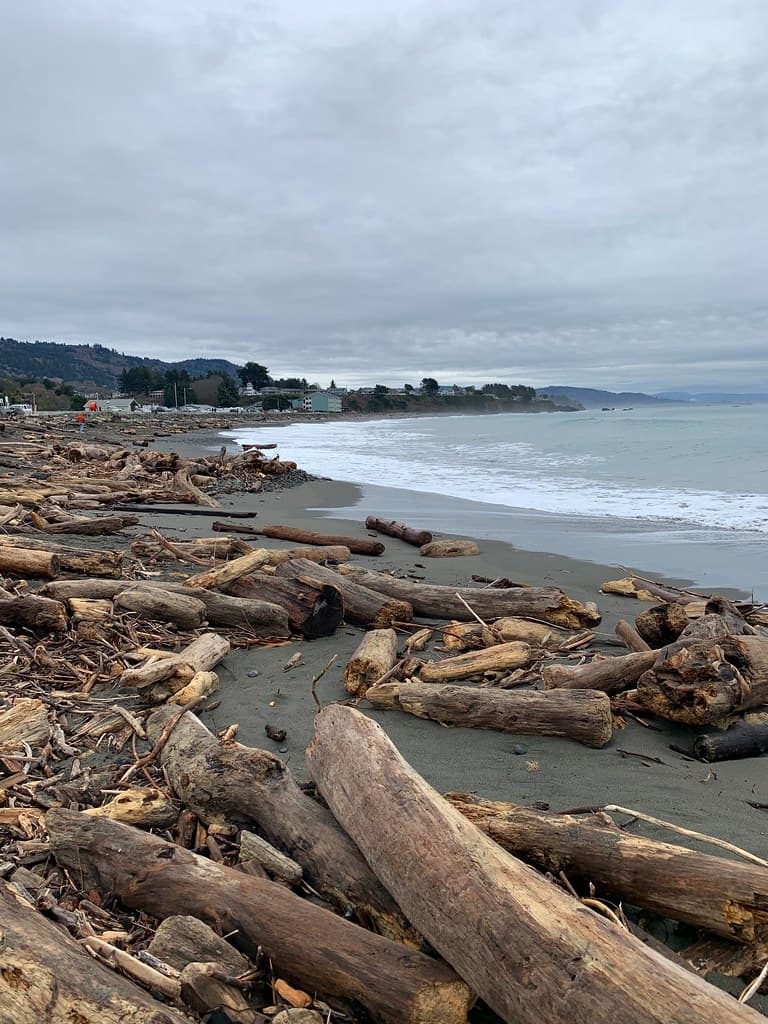
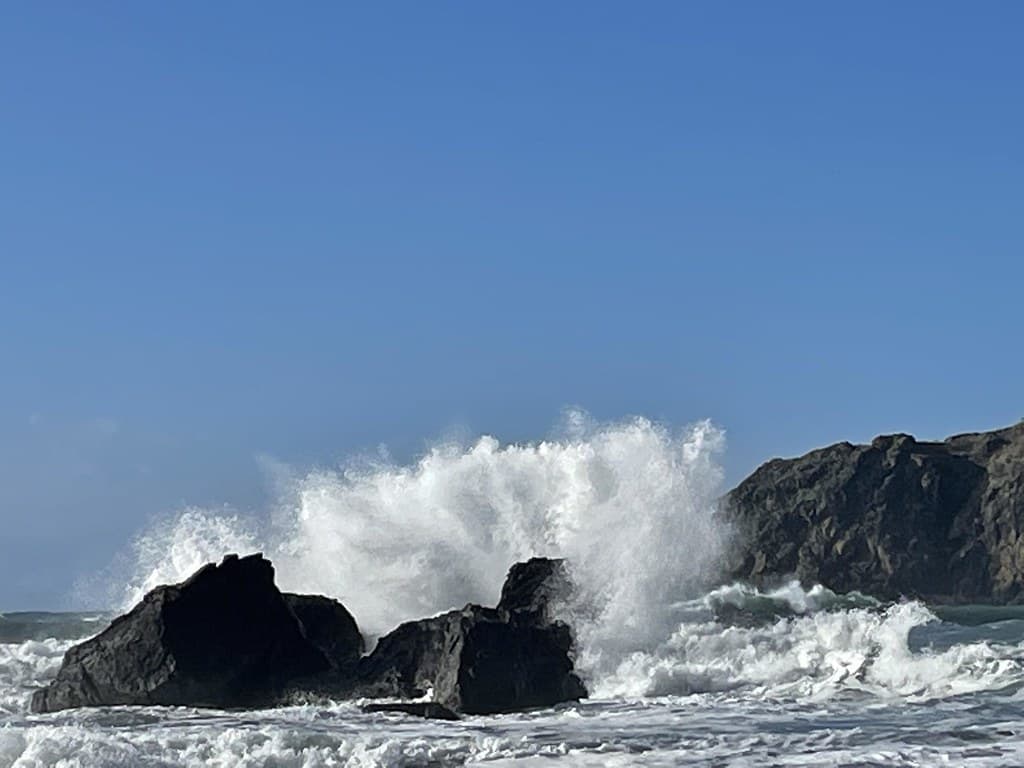
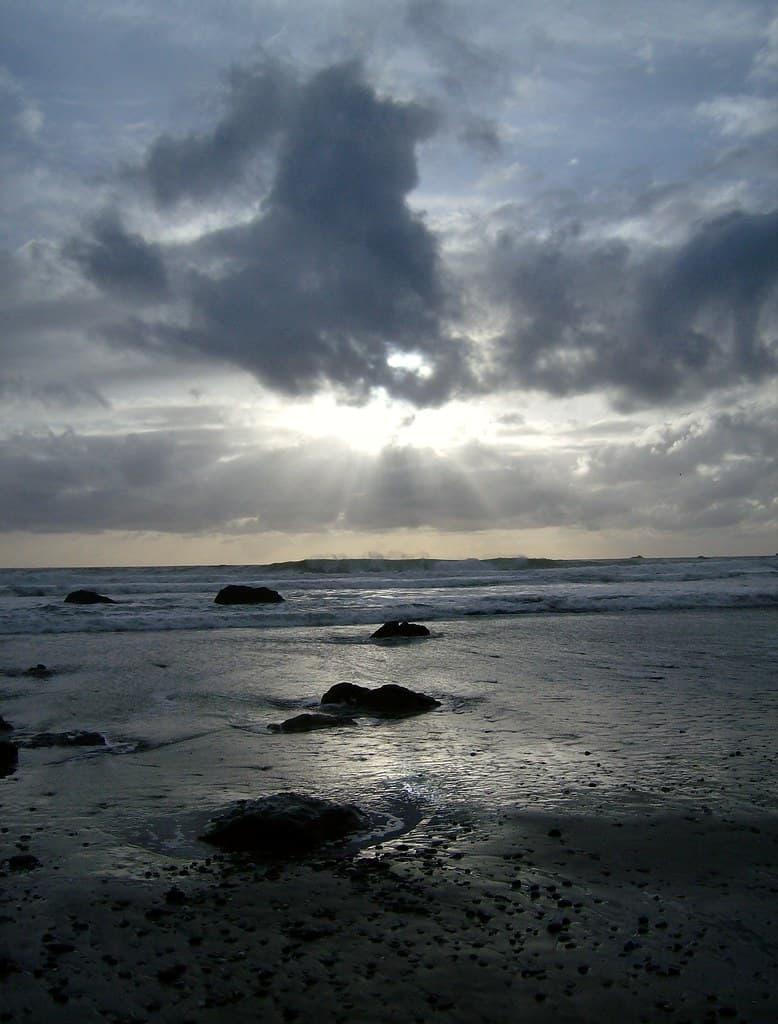
Lone Ranch Beach unfolds as a crescent of coarse sand bookended by jagged sea stacks that rise like sentinels from the surf. You'll find yourself drawn to the tide pools during minus tides, when the receding water exposes colonies of ochre stars, hermit crabs skittering between mussel beds, and green anemones pulsing in shallow depressions. The beach sits just north of the California border, part of the Samuel H. Boardman Scenic Corridor, where Highway 101 clings to cliffs and every pullout promises drama. Winter storms reshape the shoreline weekly, piling driftwood into silvered sculptures and carving fresh channels through the sand. You'll watch waves explode against offshore rocks, sending plumes of white water thirty feet into the air. Spring brings calmer seas and wildflowers—lupine and sea thrift—blooming on the headlands above. The wind rarely stops here; it carries the cries of gulls and the percussion of surf against stone. A short trail from the parking area winds through shore pine and salal before depositing you onto the beach. Look for the picnic tables perched on the bluff, where you can spread out smoked salmon from Brookings Harbor while gray whales breach offshore during their spring migration. The beach empties by late afternoon, leaving you alone with the rhythm of the tide and the scratch of sand crabs burrowing beneath your feet.
Places, rentals, tours and events within walking and driving distance of Lone Ranch Beach.
Photos
Swimming at Lone Ranch Beach is generally not recommended due to strong currents, cold water temperatures, and unpredictable waves typical of the southern Oregon coast. The beach is better suited for tide pooling, beachcombing, and wading in shallow areas during calm conditions. Sneaker waves—unexpectedly large waves that can sweep people off rocks and beaches—are a serious hazard year-round. Always keep children and pets close, never turn your back to the ocean, and stay off logs and rocky outcrops near the water. The beach excels as a scenic spot rather than a swimming destination.
Lone Ranch Beach is accessible year-round, with each season offering distinct experiences. Summer (June-August) brings the most stable weather and the best conditions for tide pooling during low tides. Spring and fall offer dramatic scenery with fewer crowds, though weather can be unpredictable. Winter delivers impressive storm watching opportunities with powerful waves and moody skies, but expect rain and wind. For tide pool exploration, visit during minus tides, which occur throughout the year—check local tide tables. Brookings enjoys a relatively mild climate compared to other Oregon coastal towns, making visits pleasant in any season.
Lone Ranch Beach is located about 4 miles north of Brookings on Highway 101. Look for the well-marked Samuel H. Boardman State Scenic Corridor signs and turn west into the designated parking area. The beach offers a small paved parking lot that accommodates approximately 15-20 vehicles—it can fill quickly during summer weekends and holidays. No parking fee is required. From the lot, a short trail leads down to the beach. The access is relatively easy compared to other beaches in the area, though the path involves some uneven terrain and stairs, making it moderately accessible.
Lone Ranch Beach itself has no on-site amenities, restaurants, or facilities—it's an undeveloped natural beach. The nearest services are in Brookings, about 4 miles south, which offers numerous restaurants, grocery stores, gas stations, and lodging options ranging from budget motels to vacation rentals. Popular dining choices include seafood restaurants and casual cafes along Highway 101. Harris Beach State Park, just south near Brookings, has a campground with full facilities. For a beach visit, bring your own food, water, and supplies, and pack out all trash as there are no restrooms or garbage facilities at Lone Ranch.
Lone Ranch Beach features some of the Oregon coast's most accessible and diverse tide pools, particularly on the beach's north end around the rocky outcrops. During low tides, especially minus tides, these pools reveal sea stars, anemones, hermit crabs, sea urchins, mussels, and occasionally octopuses. The rocky shelves create natural aquariums that are easier to explore than many other Oregon beaches. The best viewing occurs during summer's lower tides. Remember to tread carefully, avoid stepping on organisms, never remove creatures from pools, and check tide tables before visiting—rising tides can quickly cut off access to certain areas.