Counting the waves…
Counting the waves…

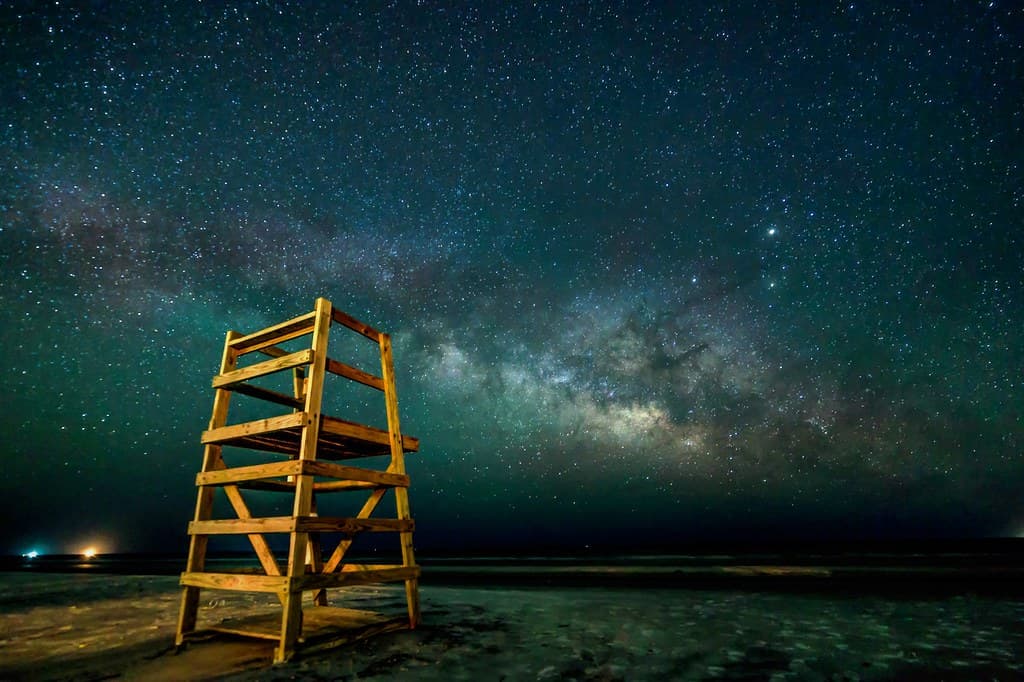
The approach to Coffin Point tells you everything: a two-lane road tunnels through canopies of oak, then opens to a narrow landing where fishing boats bob against wooden pilings. You walk onto sand mixed with oyster shells, the kind that cuts if you're barefoot but holds the memory of every storm and tide. This is working waterfront—shrimp nets dry in yards, crab traps stack near pickups, and the beach itself feels like an afterthought to the serious business of living beside tidal water. The shoreline curves gently, backed by spartina grass that shifts from green to gold depending on the season. At low tide, the beach extends into mudflats where herons stalk and fiddler crabs scuttle. At high water, small waves lap at the narrow sand strip. Either way, the view stretches across the marsh to distant tree lines, uninterrupted by development. The air tastes of salt and pluff mud, that sulfurous smell unique to Lowcountry estuaries. This is St. Helena Island's quiet side, where Gullah communities have fished and farmed for generations. You won't find beach umbrellas or concession stands. Instead, you'll likely share the sand with locals checking crab pots or casting lines into the outgoing tide. Bring what you need; the nearest services are back toward the main road, past churches and vegetable stands that close when they feel like it.
Places, rentals, tours and events within walking and driving distance of Coffin Point Beach.
Photos
Swimming at Coffin Point Beach requires caution due to strong tidal currents, marsh creeks, and occasional jellyfish. The beach lacks lifeguards and formal swimming areas. The waters are generally calm during low tide but can become challenging during tidal changes. Many visitors prefer wading, shelling, and beachcombing rather than swimming. Always check tide schedules before entering the water, supervise children closely, and be aware of the lack of emergency services immediately nearby. The beach's remote nature means help isn't readily available in emergencies.
Coffin Point Beach is accessible year-round, with spring (March-May) and fall (September-November) offering the most comfortable temperatures (70-80°F) and fewer crowds. Summer brings heat, humidity, and biting insects, particularly in marshland areas. Winter months are mild (50-60°F) and excellent for solitary walks and birdwatching. Visit during low tide for the best beach access and exploration opportunities. Early morning and late afternoon provide optimal lighting for photography and wildlife viewing. Weekdays are quieter than weekends throughout the year.
Coffin Point Beach is located on St. Helena Island, approximately 20 minutes from Beaufort, South Carolina. Take Highway 21 toward Hunting Island, then turn onto Coffin Point Road and follow it to the end. Parking is limited to a small dirt area near the beach access point, accommodating roughly 10-15 vehicles. The area is unmarked and easy to miss, so GPS coordinates are helpful. Roads are paved until the final approach. Arrive early during peak season as the limited parking fills quickly on weekends.
Coffin Point Beach has no amenities—no restrooms, showers, food vendors, or trash facilities. Visitors must bring everything needed and pack out all trash. The nearest restaurants and convenience stores are in St. Helena Island's small communities, about 10-15 minutes away. For lodging, Beaufort (20 minutes) offers hotels, inns, and vacation rentals, while nearby Hunting Island State Park has camping facilities and cabins. Plan accordingly by bringing water, snacks, sunscreen, and using facilities before arriving at this undeveloped beach.
Coffin Point Beach offers an authentic, undeveloped Lowcountry experience unlike the area's resort beaches. This hidden gem features pristine marsh views, abundant wildlife including dolphins and herons, and a peaceful atmosphere with minimal crowds. The beach blends sandy shores with salt marsh ecosystems, creating unique scenery. Its remote location on historic St. Helena Island—a significant Gullah community—adds cultural richness. There's no commercialization, making it ideal for nature lovers, photographers, and those seeking solitude. The beach remains largely as local residents have known it for generations.