
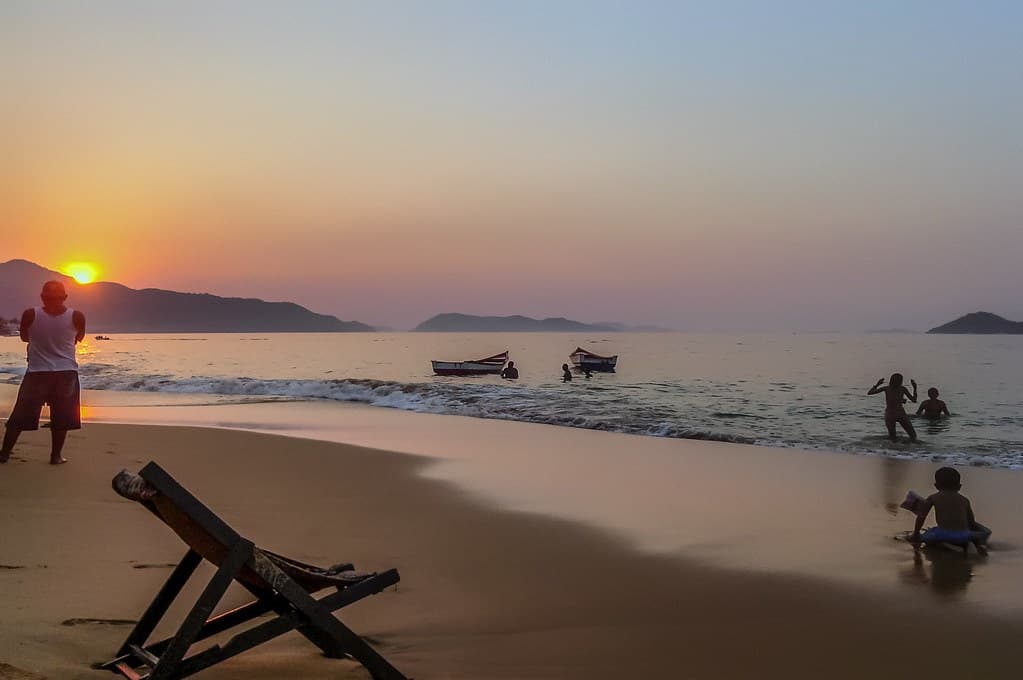
Counting the waves…
Counting the waves…

You'll watch the island grow larger as your boat crosses from the mainland, its vegetation-crowned spine surrounded by that unmistakable pale halo where shallow water meets beach. The approach reveals why this place matters in the Mochima west sector—while mainland beaches mix sand with stone and vegetation reaches the tide line, Isla de Plata offers that increasingly rare combination of proper white sand, turquoise shallows, and enough distance from shore to feel genuinely removed. The island isn't large; you could walk its perimeter in twenty minutes, but that compact scale concentrates its appeal. Wade from the boat and the water barely reaches your knees ten meters out. The sand underneath is almost pure silica, bright enough that you'll squint even underwater. Visibility runs fifteen meters on typical days—you'll watch your shadow ripple across the bottom as sergeant majors and blue tangs investigate your ankles. The snorkeling improves along the island's windward side where rocky substrate provides habitat for more diverse marine life. Parrotfish graze methodically, their beaks scraping algae with rhythmic clicks. Small rays bury themselves in sand with only their eyes protruding, exploding into flight when you approach too closely. The island sees weekend traffic from Puerto La Cruz and Guanta families who know its value—you'll share the sand with groups who've brought elaborate picnics and portable speakers, the Venezuelan beach experience transported offshore. But the island absorbs crowds better than mainland beaches thanks to its circular geography; walk a hundred meters and you'll find relative solitude. Shade comes from a few scrubby trees inland, minimal but functional. By late afternoon boats begin their exodus and the island empties, the water returning to glass, the sand showing only the tracks of seabirds.
Places, rentals, tours and events within walking and driving distance of Playa Isla de Plata.
Photos
Playa Isla de Plata's island location and turquoise waters generally suggest good swimming conditions, particularly during calm weather. Islands often offer protected areas with clearer water and less turbulence than mainland beaches. However, conditions vary with weather, currents, and tides. The boat-access nature means you'll typically visit with local operators familiar with safe swimming areas around the island. Snorkeling is popular here, indicating reasonably calm and clear waters. Always assess conditions upon arrival, swim with others, be aware of boat traffic, and follow guidance from your boat operator regarding safe zones and current conditions.
The optimal time to visit Playa Isla de Plata is during Venezuela's dry season from December through April, when seas are calmest for boat travel and weather is most stable. This period provides the best conditions for snorkeling with clearer water visibility and calmer seas. Visiting during weekdays and outside major holidays ensures fewer crowds, enhancing the island experience. Morning departures often provide the calmest seas for boat travel and the best underwater visibility. While the island can be visited year-round during settled weather periods, the dry season offers the most reliable conditions for enjoying this boat-access destination fully.
Reaching Playa Isla de Plata requires arranging boat transportation from mainland departure points such as Guanta, Puerto La Cruz, or other coastal towns in the area. Local fishermen, tour operators, and agencies offer island trips, often as part of multi-stop coastal excursions. Visit the main piers or beaches in Puerto La Cruz or Guanta to find boat operators, or arrange through hotels and tour agencies. Prices vary based on group size, trip duration, and included services. Some operators provide snorkeling equipment and refreshments. It's advisable to negotiate clearly, confirm departure and return times, and ensure the operator has proper safety equipment.
Playa Isla de Plata is an undeveloped island beach with no permanent facilities, restaurants, or services. Visitors must bring all necessary supplies including food, drinking water, snorkeling gear, sunscreen, and shade equipment. Some tour operators include basic meals or snacks in their packages, but this varies. There are no restrooms, changing facilities, or fresh water sources on the island. The pristine, undeveloped nature is part of the appeal, offering an authentic island beach experience. Pack out all trash to preserve the environment. Plan your visit duration according to supplies carried, and confirm what, if anything, your boat operator provides.
Playa Isla de Plata's island setting creates exceptional conditions for snorkeling and scenic beauty. The turquoise waters indicate clarity and marine health, providing excellent underwater visibility. Being part of the Mochima National Park western sector, the area supports diverse Caribbean marine life including colorful fish, coral formations, and other sea creatures. The island's relative isolation and boat-access-only nature preserve pristine conditions with less human impact than mainland beaches. Above water, the island offers dramatic coastal scenery, white sand beaches, and excellent photography opportunities. The combination of crystal-clear waters, abundant marine life, and unspoiled natural beauty makes it a standout destination for nature lovers and snorkeling enthusiasts.