Counting the waves…
Counting the waves…
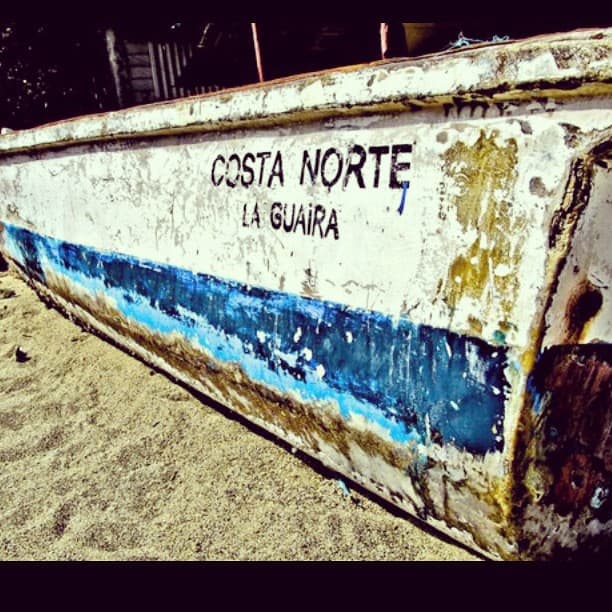
The fisherman cuts the motor fifty meters offshore, and you wade the final distance as the Taguao River eddies around your calves, mixing brackish and warm against your skin. Behind you, the coastal range rises in folds of limestone and scrub; ahead, the sand stretches only thirty meters before jungle reclaims the shore. This is where drainage meets tide, where sediment fans into the turquoise shallows and herons hunt the margins. You'll share the beach with no one but the occasional local mending nets beneath a gnarled uvero tree, its roots half-exposed by seasonal floods. The sand is coarse underfoot—flecks of shell and river stone—and the water carries the faint mineral taste of the highlands. By late afternoon, the light turns amber, glancing off the river mouth in sheets of copper and rose. There are no vendors, no umbrellas, no roads. You brought water and fruit from Carayaca, and you'll leave before the mosquitoes emerge from the mangroves at twilight. The boat ride back is quiet, the wake silver against indigo, the mountains black silhouettes. This is Venezuela's coast as it was before highways, before resorts—still shaped by currents and accessible only to those willing to negotiate passage with a stranger who knows these waters.
Places, rentals, tours and events within walking and driving distance of Playa Boca de Taguao.
Photos
Beaches at river mouths (boca) can have unique conditions. Fresh water from the Taguao drainage mixes with seawater, potentially creating varying currents, especially after rain. Water clarity may be reduced compared to open beaches. Check for current strength before entering, particularly where the river meets the ocean. The small size of this beach suggests relatively calm conditions in good weather, but local advice is essential. Avoid swimming after heavy rainfall when river discharge increases. The remote location means limited rescue services, so swim conservatively and never alone.
Late afternoon and early evening are ideal for experiencing the sunset views this beach is known for. The dry season (December-April) provides the most reliable weather and calmer seas. Budget travelers benefit from visiting during off-peak months when accommodation costs drop. Weekdays offer fewer crowds at this hidden beach. Morning visits provide good light for photography of the river mouth landscape. Avoid visiting after heavy rains when river flow may be strong and water murky. The remote location means visiting during daylight hours is safest for navigation.
This beach requires boat access or potentially challenging overland routes through Carayaca's remote western coast. Boat transport can often be arranged from nearby fishing villages or more accessible beaches in the region. If attempting overland access, expect rough trails requiring good physical fitness and possibly local guidance. The drainage mouth location suggests proximity to a river valley that might offer a hiking route. Contact local fishermen or guides in Carayaca for current access options and costs. GPS coordinates are helpful in this remote area with limited signage.
This small, hidden beach has no on-site facilities. Visitors must bring all food, drinking water, shade equipment, and supplies. The nearest basic services are in Carayaca village, several kilometers away. Local fishermen occasionally visit such beaches and might offer simple refreshments, but this cannot be relied upon. For lodging, look for simple guesthouses or posadas in Carayaca or along the coast toward La Guaira. Most visitors treat this as a day trip destination. Pack out all waste, as there are no trash facilities in this pristine area.
The combination of river mouth and ocean creates a unique ecosystem where freshwater meets saltwater, supporting diverse wildlife and interesting natural features. Sunset views over the water provide exceptional photo opportunities in a secluded setting. The beach's hidden nature and boat access requirement ensure very few tourists, offering authentic solitude. The scenic drainage-mouth landscape, with vegetation meeting the coastline, creates a picturesque environment. Its position on Venezuela's remote western La Guaira coast makes it an adventure destination for travelers seeking undiscovered beaches beyond mainstream tourist circuits.