Counting the wavesβ¦
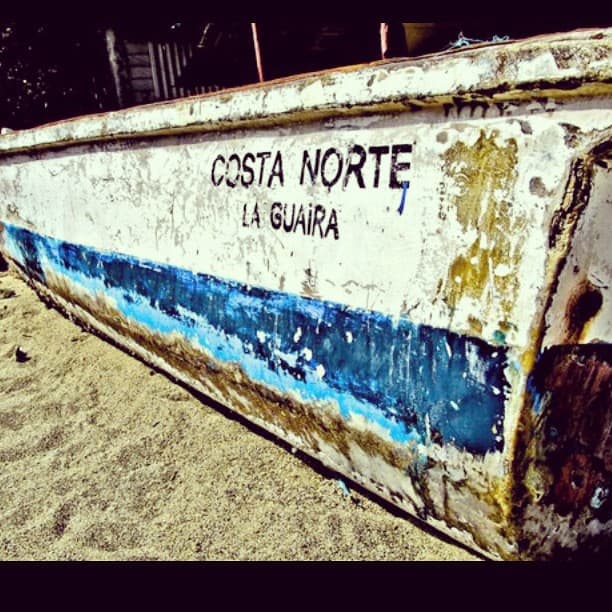
The panga cuts its engine and drifts toward shore, where painted fishing boats rest on their sides in the sand. Taguao announces itself not with signs or beach chairs but with the smell of salt-cured fish and the sight of pelicans cruising low over the morning surf. A handful of houses with corrugated roofs cluster beneath coconut palms, their front yards spilling directly onto the beach. You'll wade ashore near the fishermen's cooperative, where women gut the morning catch beneath a thatch shelter and boys practice their diving off a weathered pier. The beach itself runs wide and flat, its caramel-colored sand interrupted only by the occasional beached cayuco. Shallow water extends fifty meters out, calm enough for children to splash while their parents string hammocks between the trees that edge the village. By afternoon, the fishermen have hauled their boats above the tide line and settled into dominoes beneath the shade. You'll share the beach with local families who drive the rough track from Carayaca, their coolers packed with arepas and malta. As the sun drops behind the western headland, the water turns copper, and smoke from grilling sardines drifts across the sand.
Places, rentals, tours and events within walking and driving distance of Playa Taguao.
Photos
Playa Taguao is generally considered family-friendly, with sandy shores suitable for children and swimmers. However, as a remote beach village, lifeguard services may not be available, so always exercise caution and supervise children closely. Ocean conditions can vary, so check the waves and currents before entering the water. The beach's remote location means fewer crowds, which many families appreciate, but also means you should be self-sufficient with safety equipment and first aid supplies. Ask local fishermen about current water conditions.
The optimal time to visit Playa Taguao is during Venezuela's dry season from December to April, when you'll enjoy the best weather with clear skies and calm seas. The beach remains uncrowded throughout the year, making it ideal for those seeking tranquility. The dry season also ensures easier boat access if arriving by sea. Visiting during weekdays or shoulder seasons offers even more solitude. The remote location means you can enjoy pristine conditions most of the year, though accessibility may be affected during heavy rains.
Playa Taguao requires some effort to reach due to its remote location on the western La Guaira coast near the Aragua state transition. Boat access is often the most practical option, with services available from nearby coastal towns like Puerto Maya or Chichiriviche de la Costa. Some visitors arrive by hiking coastal trails, though this requires good physical condition and local guidance. The beach's isolation is part of its charm but requires advance planning. Consider hiring a local boat operator who knows the area well and can ensure safe passage.
As a small, remote beach village, Playa Taguao offers basic, authentic facilities rather than developed tourist infrastructure. You may find simple local eateries serving fresh fish and traditional Venezuelan dishes, often prepared by fishing families. Accommodation is likely limited to basic rooms or posadas run by locals, offering a genuine cultural experience. Many visitors choose to day-trip from larger nearby towns, or arrange homestays with village residents. Bring cash, as card payment facilities are unlikely in such remote locations. Budget travelers will find very reasonable prices.
Playa Taguao remains overlooked because it sits beside better-known destinations like Puerto Maya and Chichiriviche de la Costa, which attract most visitors to the region. The beach's remote location and boat-access requirement deter casual tourists seeking convenient beaches. This lack of attention has preserved its hidden, authentic character, making it perfect for travelers wanting to escape crowds and experience a traditional fishing village. The scenic beauty and peaceful atmosphere reward those willing to make the extra effort. Its position on the western remote coast means it's simply off most tourist itineraries.