Counting the waves…
Counting the waves…
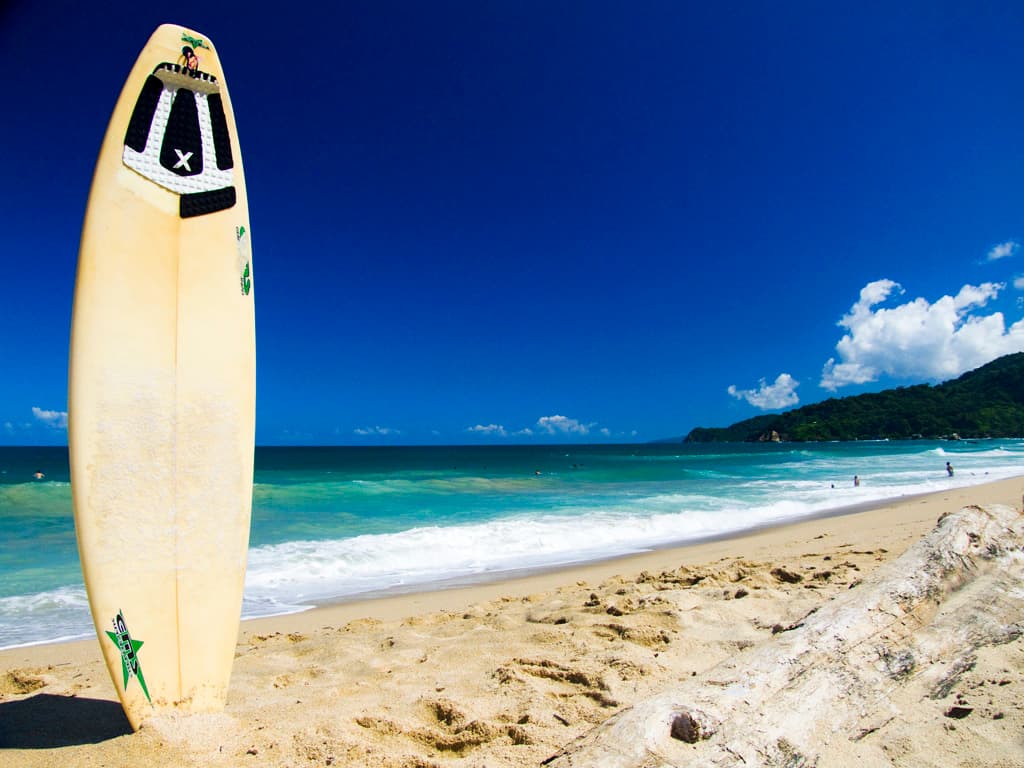
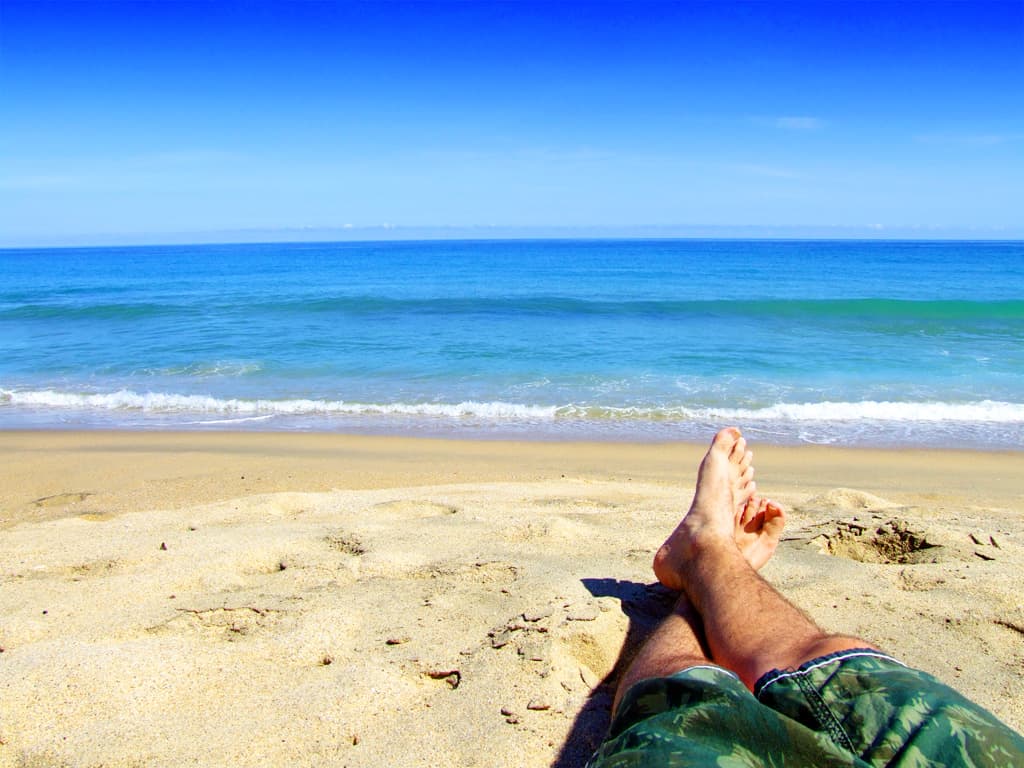
The pirogue fishermen pull their boats onto the shore just after dawn, their catches of snapper and grouper glistening in wooden crates. You'll spread your towel on sand that holds warmth from the volcanic parent rock of the coastal cordillera, watching pelicans dive beyond the breakers. The pueblo behind you hums with the quiet industry of a community that has fished these waters for generations—women mending nets beneath mango trees, the scent of grilled pargo drifting from open-air kitchens. The beach curves gently, its eastern end dissolving into a tumble of smooth stones where hermit crabs scuttle between tide pools. Waves arrive in steady sets, their sound mixing with the rustle of almond trees that lean landward, shaped by prevailing winds. Beyond the surf, the water shifts from jade green near shore to deep indigo where the continental shelf drops away. You won't find beach clubs or jet skis here. Instead, there's the rope swing hanging from a weathered samán tree, the makeshift soccer goal posts fashioned from driftwood, and the palapas where local families gather on Sundays. As afternoon clouds gather along the mountain ridge, casting moving shadows across the sand, you'll understand why this stretch of coast has remained largely in the hands of those who've always called it home.
Places, rentals, tours and events within walking and driving distance of Playa Caruao.
Photos
Playa Caruao is tagged as family-friendly with sandy shores, making it suitable for swimming and beach activities. As a central beach along Venezuela's remote coast, it offers a balanced experience between accessibility and tranquility. Swimming conditions depend on daily weather and waves, typical for Caribbean beaches. The village setting provides a community atmosphere where locals can offer guidance on conditions. Lifeguard services may be informal or absent, so families should supervise children carefully. The beach's reputation as family-oriented suggests generally safe conditions, though always assess personally upon arrival.
Playa Caruao is ideal for budget travel and experiencing fewer crowds. Venezuela's dry season from December to April offers the most reliable weather with less rainfall and calmer seas. However, visiting during shoulder months or the quieter wet season can mean even better value and more peaceful experiences. As a central remote-coast location, Caruao remains accessible year-round, though heavy rains may affect road conditions. Weekdays are generally quieter than weekends when Venezuelan families may visit. The combination of budget-friendliness and hidden character makes it appealing for authentic coastal experiences.
Playa Caruao is located along the central section of Venezuela's remote eastern La Guaira coast. From Caracas, travel through La Guaira and continue east along winding coastal and mountain roads. The journey typically takes several hours depending on conditions and exact route. Some travelers use buses or por puestos (shared taxis) to Caruao from major towns, though schedules may be limited. The road journey is scenic but challenging, with hairpin turns and coastal views. During peak times, organized transport from Caracas may be available. Confirm current road conditions before traveling.
Playa Caruao offers budget-friendly, locally-run accommodation typical of Venezuelan coastal villages. Posadas, small guesthouses, and rooms in family homes provide authentic and affordable lodging. Don't expect luxury facilities, but hospitality is genuine. Dining options include local restaurants and comedores serving fresh seafood, fish dishes, and traditional Venezuelan food like arepas, pabellón, and fresh fruit. Beach vendors may offer snacks and drinks. Bring cash as card facilities may be limited. The village provides adequate basic services for comfortable visits focused on beach relaxation and local culture.
Playa Caruao's significance lies in its position as the central beach along Venezuela's remote eastern La Guaira coast, providing important parish coverage. It sits geographically between La Sabana to the west and Chuspa to the east, serving as a mid-point destination. While hidden from mass tourism, it's substantial enough to offer necessary services for travelers exploring this coastal region. The beach combines scenic beauty with authentic village life, representing the character of this remote coastline. Its central location makes it a strategic base for experiencing Venezuela's less-visited but stunning Caribbean shores.