
Counting the waves…
Counting the waves…
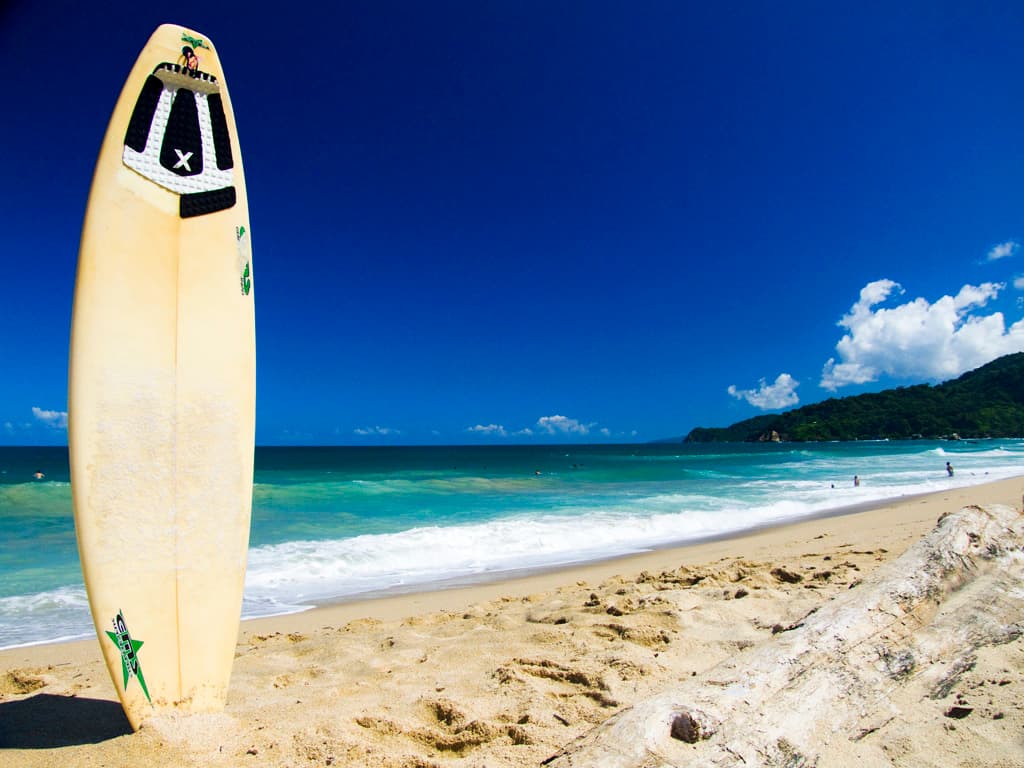
The beach reveals itself suddenly as the coastal track rounds a forested point—a half-moon bay where fishing boats rest on wooden rollers above the tide line. Behind the narrow strand, the village consists of perhaps two dozen structures, their tin roofs glinting between coconut palms and breadfruit trees. You'll notice the shallow river mouth at the beach's western edge, where fresh water cuts a channel through the sand before merging with salt. Mid-morning brings the best conditions for swimming, when the sea lies calm and transparent enough to watch small jacks darting near your legs. The sand holds a fine texture, neither powdery white nor volcanic black, but a middle tone that reflects the mixed geology of this coast. Shade comes from scattered almond trees and lean-to structures built from palm fronds, simple shelters that provide respite when the tropical sun reaches its zenith. Life here follows agricultural and fishing calendars rather than tourist seasons. You might encounter a farmer spreading cacao beans to dry on elevated racks, the chocolate-bound seeds turning from purple to brown over days of sun exposure. The village tienda stocks basics—canned sardines, pasta, warm beer—but little else. As pelicans patrol the surf line and frigate birds wheel overhead, you'll sense the particular tranquility of places that tourism hasn't yet reshaped into something more commercially viable but less authentically themselves.
Places, rentals, tours and events within walking and driving distance of Playa Osma.
Photos
Playa Osma is generally considered family-friendly with its sandy shores. As with any remote Venezuelan beach, swimming conditions depend on the day's weather and waves. The beach's location between La Sabana and Chuspa means it's less crowded, offering a quieter experience. However, facilities and lifeguard services are limited in this remote area. Always check local conditions upon arrival, avoid swimming alone, and keep children supervised. The village atmosphere tends to be peaceful and welcoming to families.
Playa Osma is ideal for budget travelers and those seeking fewer crowds. Venezuela's dry season from December to April typically offers the best weather with calmer seas and less rainfall. However, visiting during shoulder seasons or the quieter wet season (May to November) can mean even fewer tourists and lower accommodation costs. The beach remains accessible year-round, though road conditions to this remote location may be affected during heavy rains. Early mornings and weekdays are particularly peaceful.
Reaching Playa Osma requires traveling along Venezuela's remote eastern La Guaira coast. From Caracas or La Guaira, you'll typically need to drive or take local transport eastward along coastal roads toward Caruao and beyond. The journey involves winding mountain and coastal roads that can be challenging. Some travelers use a combination of bus service to nearby towns like Chuspa, then arrange local transport. Boat access from neighboring coastal villages may also be possible. Travel times can be several hours, so plan accordingly and confirm current road conditions.
As a remote beach village, Playa Osma offers modest, budget-friendly options. Small local guesthouses, posadas, or rooms in family homes are typical accommodation choices rather than hotels. Dining usually consists of simple Venezuelan coastal fare at local comedores or small restaurants, featuring fresh fish and traditional dishes. Don't expect extensive menus or tourist-oriented facilities. Bringing some supplies from larger towns is wise. The simplicity is part of the authentic remote coastal experience, where hospitality is genuine and prices are generally very affordable.
Playa Osma's uniqueness lies in its position as an important stopover village along Venezuela's remote eastern La Guaira coast, situated between La Sabana and Chuspa. Unlike more developed beaches, it retains an authentic fishing village character with minimal tourist infrastructure. The scenic setting combines sandy shores with dramatic coastal mountains. Its hidden nature means you'll experience local Venezuelan coastal life relatively untouched by mass tourism. The journey itself becomes part of the adventure, offering glimpses of Venezuela's stunning but less-visited Caribbean coastline.