Counting the waves…
Counting the waves…
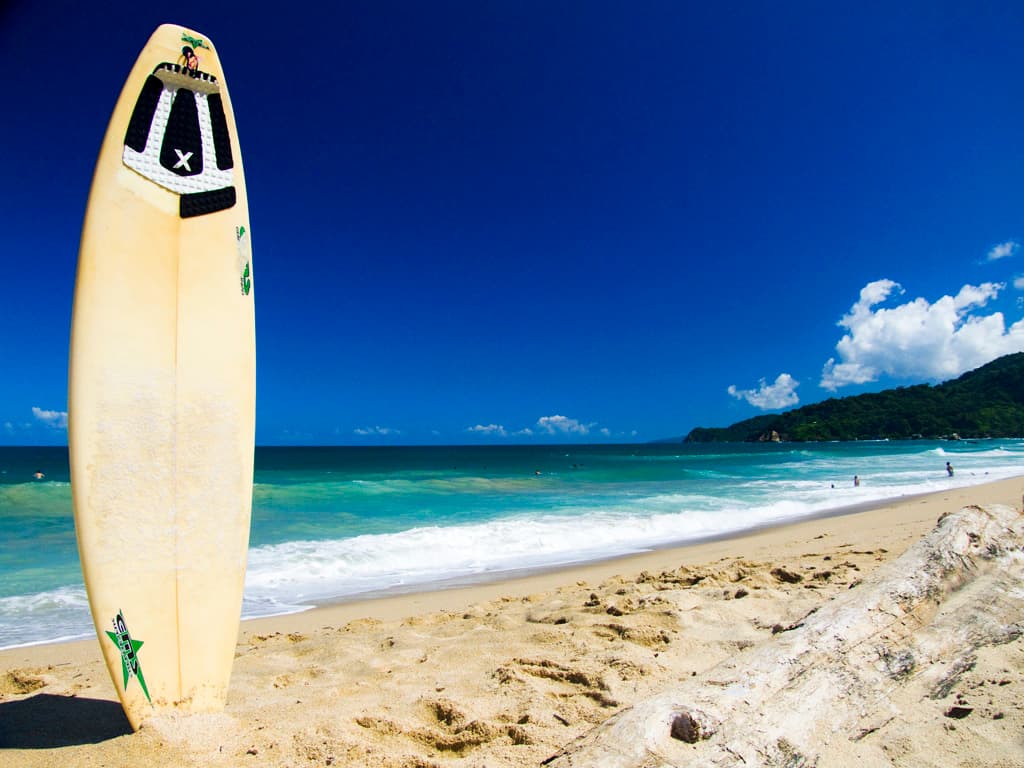
Stand where river meets sea and you inhabit two ecosystems simultaneously. The Osma flows brackish brown from inland hills, carrying sediment that builds a delta constantly reshaped by Caribbean swells. Sand accumulates on the eastern bank, while the western side erodes into a jumble of smoothed river stones and driftwood logs bleached bone-white. You wade in and feel the temperature boundary—cool river current against warm saltwater—mixing around your calves. Local children know the rhythm: mornings, when the tide retreats, they seine for camarones in tidal pools trapped behind the sandbar. By noon, heat intensifies the mingled smell of river silt and seaweed drying on rocks. You spread your towel upstream from the salt line, beneath almond trees whose leaves rattle in the coastal breeze. Pelicans work the surf zone where baitfish congregate in the nutrient-rich confluence. Sunset transforms the river mouth into molten copper. The outflow catches the horizontal light, glowing against darkening water as frigatebirds settle on mangrove snags upstream. You linger until dusk, watching the sandbar vanish beneath incoming tide, knowing tomorrow's beach will wear a slightly different shape—impermanence made visible in sand and current.
Places, rentals, tours and events within walking and driving distance of Playa Boca de Osma.
Photos
Swimming safety at Playa Boca de Osma varies with conditions, as it's a river-mouth beach where freshwater meets the ocean. The mixing currents can create unpredictable water movements, especially during heavy rainfall when river flow increases. Sandy bottom conditions are generally more comfortable than rocky beaches, but currents near the river channel require caution. No lifeguards are present at this remote location. Always assess conditions locally, swim with others, and ask Osma residents about current safety considerations before entering the water.
The optimal visiting period is Venezuela's dry season, December through April, when you'll encounter less rainfall, calmer seas, and reduced river flow. This timeframe aligns with fewer crowds and budget-friendly travel conditions characteristic of this remote region. The beach is particularly beautiful at sunset, offering scenic golden-hour photography opportunities. Weekdays provide more solitude than weekends. Since it's a hidden destination not widely known to tourists, you can enjoy relative tranquility even during typically busy periods.
Reaching Playa Boca de Osma requires traveling to the small coastal settlement of Osma in La Guaira state's remote eastern region. From Caracas, the journey involves driving or arranging transport along coastal roads heading eastward, which can take several hours depending on road conditions and weather. Public transportation to such isolated areas is limited and unreliable. Once in Osma, locals can guide you to the river-mouth beach sector. A private vehicle or hiring local transportation is recommended for accessing this off-the-beaten-path destination.
Osma is a small, remote settlement with minimal tourist infrastructure. Accommodation options are likely very basic, possibly limited to rooms in local homes or simple guesthouses catering to budget travelers. Dining consists of small local eateries serving traditional Venezuelan cuisine, often featuring fresh seafood from area fishermen. Facilities are rudimentary and authentic rather than polished for tourism. Bringing your own supplies, snacks, and drinking water is highly advisable. For more developed amenities, consider basing yourself in larger coastal towns and day-tripping to Osma.
Playa Boca de Osma's distinctive characteristic is its river-mouth location, where a freshwater source flows into the Caribbean Sea. This creates a unique environment with brackish conditions, varied marine ecosystems, and often gentler swimming areas near the river outlet. As a beach sector requiring manual curation in mapping data, it represents a truly hidden gem unknown to most tourists. The combination of river and ocean provides diverse scenery and ecological interest. Its remote location in Osma ensures an authentic, uncrowded Venezuelan coastal experience.