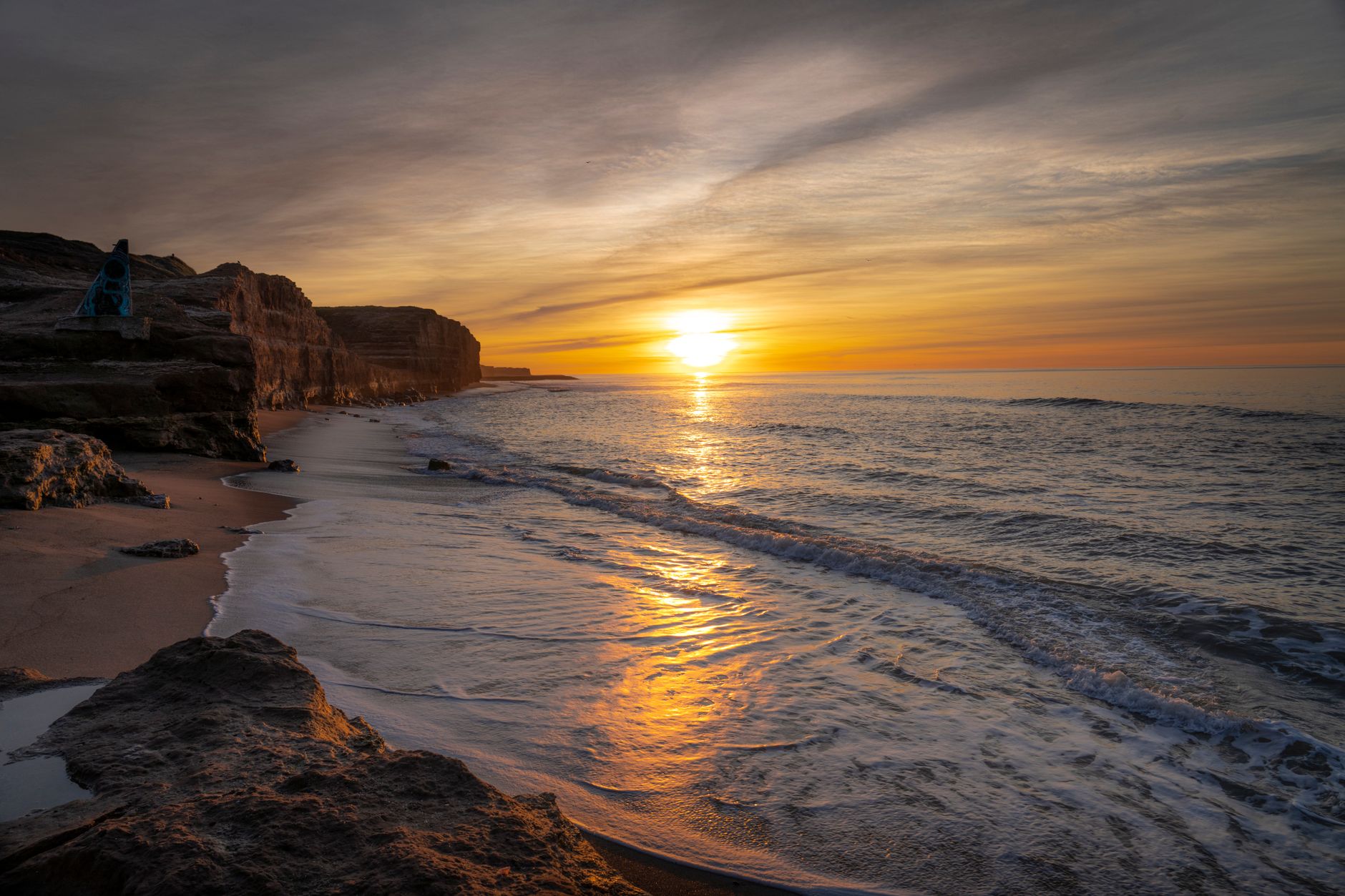
Counting the waves…
Counting the waves…

The beach at Base Carlini exists less as destination than as portal—a narrow apron of wave-tumbled cobbles where the logistical machinery of Antarctic research meets the continent's indifferent geology. You disembark onto stones that click and shift underfoot, each one smoothed by centuries of glacial melt and wave action. The shoreline curves along Potter Cove, framed by the modular buildings of Argentina's year-round station and the hulking presence of glaciers that calve with sounds like distant thunder. This is not a place for leisurely swims or sunbathing; the water hovers near freezing, and your visit depends entirely on expedition itineraries and research schedules. You watch Weddell seals haul out on ice floes just offshore, their bulk incongruous against the fragile-looking bergs. Skuas wheel overhead, and the stony beach bears the tracks of gentoo penguins waddling between nesting grounds and feeding runs. What pulls you back to the Zodiac—eventually—is not cold or wind but the strange privilege of standing where science unfolds at the planet's harshest margin. The pebbles you pocket (then return, per Antarctic Treaty protocols) carry the weight of deep time, and the view across Potter Cove layers human ambition against forces that predate and will outlast every station, every footprint, every expedition log.
Places, rentals, tours and events within walking and driving distance of Playa Base Carlini.
Photos
Swimming at Playa Base Carlini is unsafe and not recommended. Antarctic waters in Potter Cove remain near freezing throughout the year, typically between -1°C and 3°C, posing immediate risks of cold shock and hypothermia. While research station personnel occasionally conduct scientific water sampling with specialized equipment and safety protocols, recreational swimming is prohibited. The beach serves primarily scientific and logistical purposes for the Argentine research station. Visitors should observe from shore and follow all safety guidelines provided by station staff or expedition leaders during organized visits.
Visit Playa Base Carlini during the Antarctic summer season from November to March, with December through February offering optimal conditions. During these months, Base Carlini operates at full capacity with research staff, temperatures are relatively mild (-2°C to 5°C), and there is near-continuous daylight. Sea ice in Potter Cove is minimal, allowing easier boat access. This period coincides with active scientific research programs, potentially offering educational interactions with researchers. Wildlife activity, including penguin colonies and seal populations, peaks during summer months, enhancing the visitor experience.
Playa Base Carlini is accessed via expedition cruise ships that include King George Island in their Antarctic Peninsula itineraries. Most cruises depart from Ushuaia, Argentina, taking 2-3 days across the Drake Passage. From the ship, zodiac boats transport visitors to the beach and research station area. Some logistical flights operate to King George Island's airfield, though tourist access via this route is limited. All visits require prior permission and coordination with Argentine authorities and station management. Landing schedules depend on weather conditions and research activities at the base.
Playa Base Carlini is a working research station with facilities reserved exclusively for scientific personnel and authorized support staff. Tourist visitors stay aboard expedition cruise ships anchored in Potter Cove, where all meals and accommodation are provided. The research station has a cafeteria, dormitories, and laboratories, but these are not open to general tourists. Shore visits are typically brief, lasting 1-3 hours under supervision. Some expedition programs may arrange guided tours of station facilities by special arrangement, but overnight stays for tourists are not available.
Playa Base Carlini is unique as an active research station beach where visitors can witness contemporary Antarctic science in operation. The Argentine base in Potter Cove conducts year-round research in biology, geology, and climate science, providing rare insights into modern polar research. The beach serves practical logistics for scientific operations, adding functional context beyond scenic value. Nearby penguin rookeries and seal populations offer excellent wildlife observation. The station's permanent infrastructure and scientific community create educational opportunities not available at uninhabited landing sites, making it particularly valuable for understanding human activity in Antarctica.