Counting the waves…
Counting the waves…
A refined fusion of water purity, environmental stability, and communal vibrancy for Potter Cove Beach.
View MethodologyAnalyzed via live sensors and environmental data.
Wave height, wind, and atmospheric stability.
Live footfall and crowd balance metrics.
Community reviews and curated sentiment.
“You'll crunch across smooth stones worn by Antarctic tides, the air sharp with salt and penguin guano, while researchers in orange parkas hustle between labs. Ice chunks the size of shipping containers bob offshore,…”
Limited recent visitor reports — live OBI telemetry is your best guide for current conditions.
Potter Cove Beach lies at the terminus of the Maxwell Bay coastline, where King George Island's volcanic slopes meet the Southern Ocean. You'll share this shoreline with Adélie and gentoo penguins that waddle past indifferent to your presence, their rookeries spilling down the hillside behind Carlini Station's red-roofed buildings. The pebbles beneath your boots range from thumbnail-sized to fist-sized, polished smooth by waves and grinding ice.
This is no leisure beach—you'll wear expedition-grade layers against winds that gust off the Antarctic Peninsula, and your visit hinges on the logistics of research vessel transits or tourist expedition landings. Scientists have studied Potter Cove's waters for decades, mapping how warming temperatures shift everything from algae blooms to seal populations. The cove's sheltered position makes it one of the continent's most accessible research sites, and the beach serves as the front door.
 Credit: Unsplash
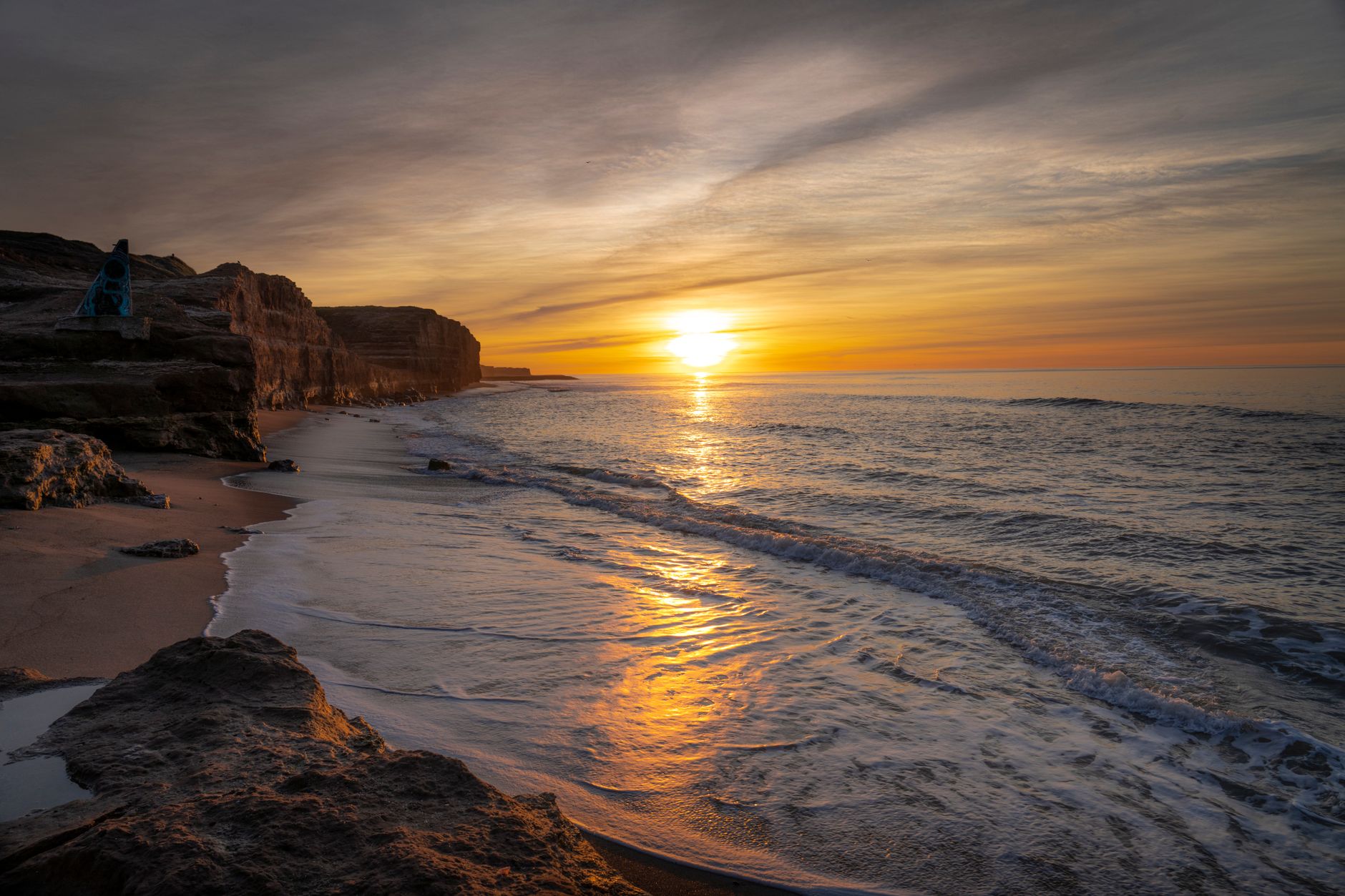
a sandy beach with a body of water in the background
 Credit: Unsplash
sea waves crashing on shore during daytime
Rookeries cascade down volcanic slopes
Follow glacial debris to headlands
Blue ice against charcoal water
Prime Visitation
Best Weather | Less Crowds
Where it is
Potter Cove Beach
King George Island, Antártida e Islas del Atlántico Sur, Argentina
-62.238600°, -58.657400°
Weather
Loading…
Swell
—
Temp
Warm · Restorative
UV Index
Moderate
Wind
—
Tidal State
Last known
Max Sunlight
—
Ideal Shade
—
Jan - Dec (Peak)
Mar - Nov (Off-season)
Best Weather | Less Crowds
Select a category to load nearby places.
Unlock restaurants, luxury stays and curated maritime experiences within 2km
Swimming at Potter Cove Beach is unsafe and generally not permitted. Antarctic waters remain near or below freezing, causing rapid hypothermia. The cove is an active research area adjacent to Argentina's Carlini Station, with strict environmental protocols limiting human impact. Scientific equipment and ongoing studies make recreational activities inappropriate. Visitors on expedition cruises may land briefly under guide supervision for wildlife observation and photography, but water contact beyond accidental splashes during Zodiac landings should be avoided entirely.
Visit Potter Cove Beach during the Antarctic summer, November through March, when temperatures are relatively milder and daylight extends nearly 24 hours. December through February offers the best combination of wildlife activity, accessible sea conditions, and stable weather patterns, though Antarctic weather remains unpredictable. This period coincides with penguin breeding seasons and seal pupping. Research activity at nearby Carlini Station is also most active then, though station visits require special arrangements separate from standard expedition cruise itineraries.
Potter Cove Beach is accessible exclusively through organized Antarctic expedition cruises or official research programs. Ships typically depart from Ushuaia, Argentina, requiring approximately two days to cross the Drake Passage to King George Island. Zodiac boats transport visitors from ship to shore. The proximity to Carlini Station means some scientific vessels also visit, but tourist access requires approved operators with Antarctic Treaty permits. Independent travel is impossible and illegal without proper authorization under international Antarctic governance.
There are no tourist accommodations at Potter Cove Beach. Visitors sleep and dine aboard expedition cruise ships anchored offshore. Argentina's Carlini Station serves research personnel only and does not offer tourist facilities, though some expeditions arrange brief station tours by prior arrangement. All provisions, meals, and lodging come from your vessel. Shore visits are typically brief excursions of a few hours. Antarctica has zero hotels, restaurants, or commercial infrastructure—expedition ships provide all necessary support.
Potter Cove serves as one of Antarctica's most important coastal research sites, with Carlini Station scientists conducting long-term studies on glacial retreat, marine biology, climate change impacts, and ecosystem dynamics. The cove's relatively accessible location and diverse habitats enable year-round monitoring of Antarctic environmental changes. Ongoing projects include underwater surveys, sediment analysis, and wildlife population studies. This concentration of scientific activity provides valuable baseline data for understanding how Antarctica responds to global environmental shifts, making Potter Cove internationally significant beyond its natural beauty.
Photos