Counting the waves…
Counting the waves…

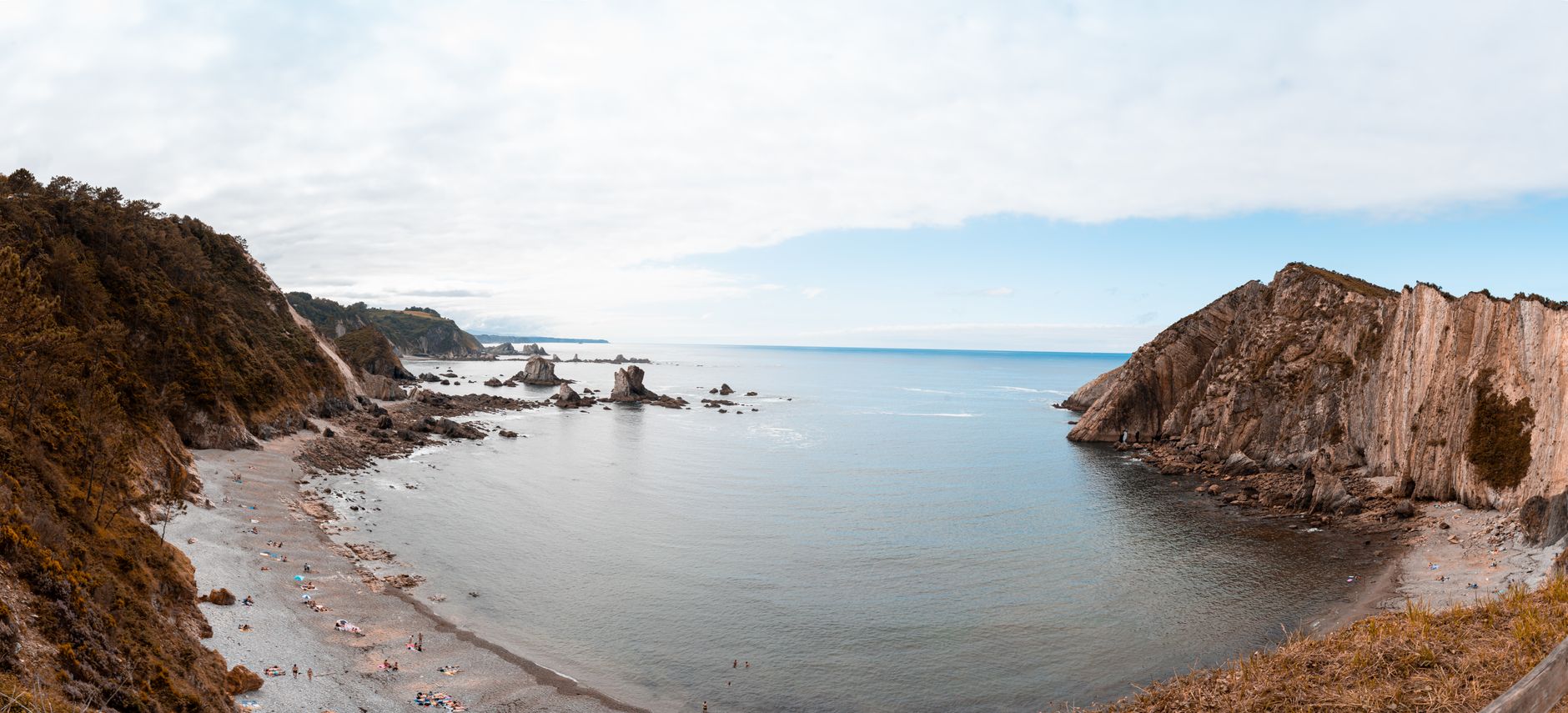
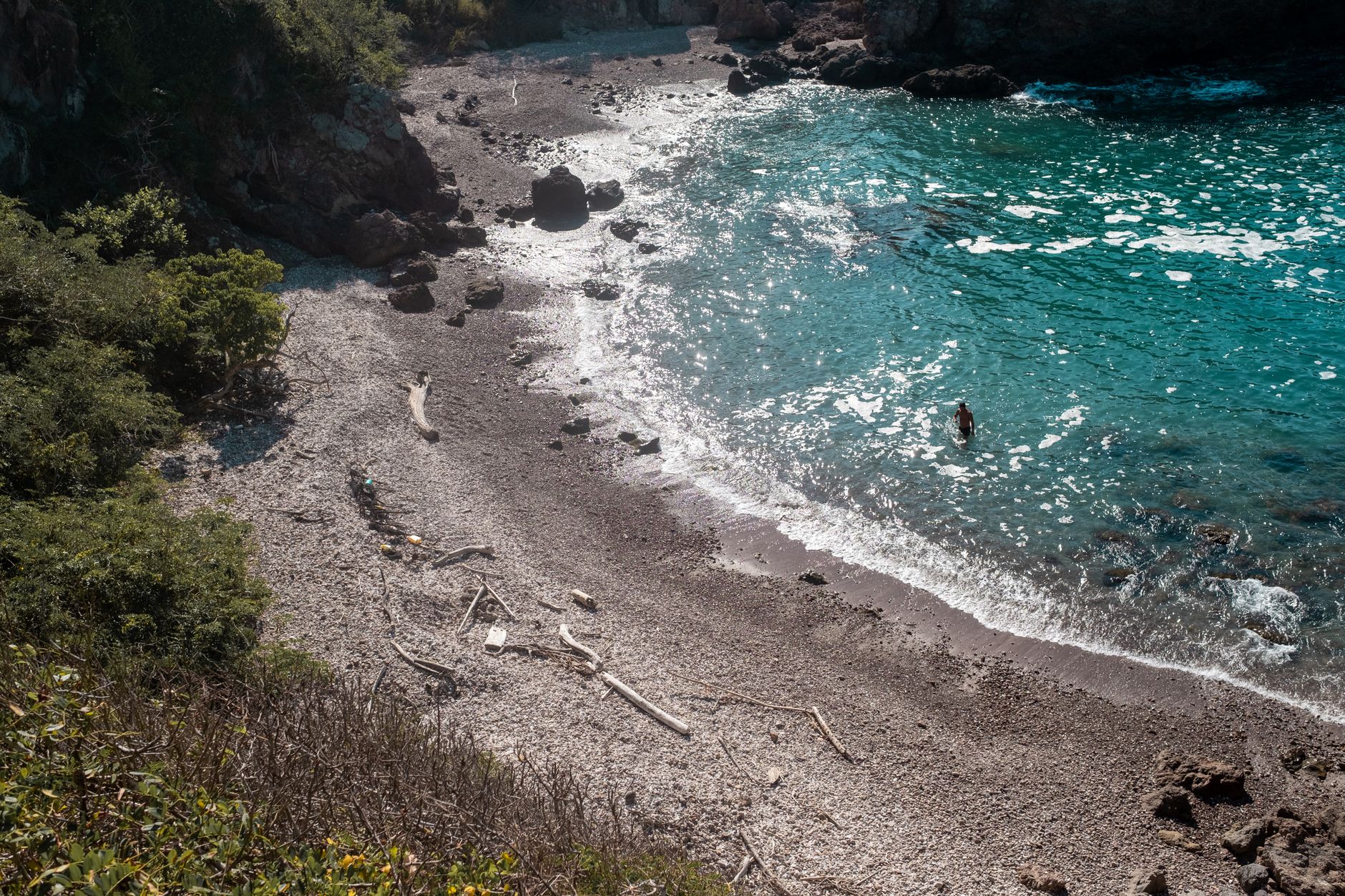
Playa Potter Cove lies tucked into the western arm of King George Island, a stone's throw from Base Carlini, Argentina's year-round Antarctic research station. The beach itself is a narrow crescent of wave-smoothed pebbles, dark gray and bronze, where the Southern Ocean laps against the continent's edge with a cold, steady insistence. Glacial meltwater trickles down from Maxwell Bay's ice tongues, pooling in shallow channels that reflect the pewter sky. The air carries the acrid tang of rookeries—chinstrap and gentoo penguins nest on the ridges above, their calls echoing off the surrounding cliffs. You won't find loungers or lifeguards here. What you will encounter are scientists hauling equipment, skuas patrolling for scraps, and the occasional Weddell seal sprawled across the tide line, indifferent to your presence. The cove serves as a logistical beachhead for research teams studying glacial retreat, marine biology, and climate shifts; expedition ships anchor offshore, ferrying passengers ashore in rigid inflatables. Summer light stretches long into the evening, casting alpenglow across the icebergs that calve from nearby Fourcade Glacier. Visiting requires joining an organized Antarctic cruise—no casual drop-ins. Weather dictates every landing, and the station itself remains off-limits except during designated tours. But standing on those cold, rounded stones, watching the ice shimmer and the penguins waddle past, you understand why explorers and researchers keep returning to this unforgiving edge of the world.
Places, rentals, tours and events within walking and driving distance of Playa Potter Cove.
Photos
Potter Cove beaches near Base Carlini are relatively safe with proper precautions, though swimming is prohibited due to near-freezing water temperatures causing immediate hypothermia risk. The cove setting provides protection from open ocean swells, but pebble beaches can be slippery when wet. Wildlife including elephant seals and fur seals may be encountered; maintain minimum five-meter distances and never approach between animals and water. Weather changes rapidly in this King George Island location. All visits require guided supervision with expedition staff trained in Antarctic safety protocols and wildlife interaction guidelines.
The Antarctic summer from November through March provides the only viable visiting period, with December to February offering warmest temperatures (near 0-2°C) and most reliable access. King George Island's relatively northern Antarctic location means slightly milder conditions than deeper Antarctic sites. January and February typically feature active penguin colonies with chicks and peak scientific activity at Base Carlini. Early season (November-December) brings courting penguins and pristine snow; late season (February-March) often has fewer expedition ships but increasing sea ice. Weather remains unpredictable throughout the season.
Potter Cove is accessed via Antarctic expedition cruises departing from Ushuaia, Argentina, typically including King George Island in South Shetland Islands itineraries. After the two-day Drake Passage crossing, ships anchor in Potter Cove or nearby, transferring passengers by Zodiac to landing sites near Base Carlini. Some specialized tours include longer station visits if arranged with Argentine authorities. King George Island also has an airstrip used by some fly-cruise operations, though most visitors arrive by ship. All access requires participation in licensed tour operations; independent travel is impossible.
Base Carlini is an active Argentine research station with no tourist accommodations or dining facilities; all infrastructure serves scientific and support personnel exclusively. All visitors stay aboard their expedition cruise ships, which provide comprehensive meals and lodging. Shore visits typically last 2-4 hours maximum. Occasionally, station personnel may offer tea or brief facility tours to expedition groups, but this is discretionary and cannot be expected. No commercial services, freshwater access, or public amenities exist. Your expedition ship provides all necessary food, water, shelter, and emergency support.
Potter Cove serves as a major Antarctic research site, with Base Carlini (formerly Jubany) hosting international scientific programs studying climate change, marine biology, glaciology, and atmospheric science. The cove's coastal ecosystem provides accessible research environments for studying Antarctic adaptation and environmental change. German cooperation has established the Dallmann Laboratory here. Long-term ecological monitoring programs make this one of Antarctica's best-documented coastal sites. Visitors may observe active scientific field work, research vessels, and international cooperation in polar science, offering insights into how modern Antarctic research operates beyond wildlife observation.