Counting the waves…
Counting the waves…

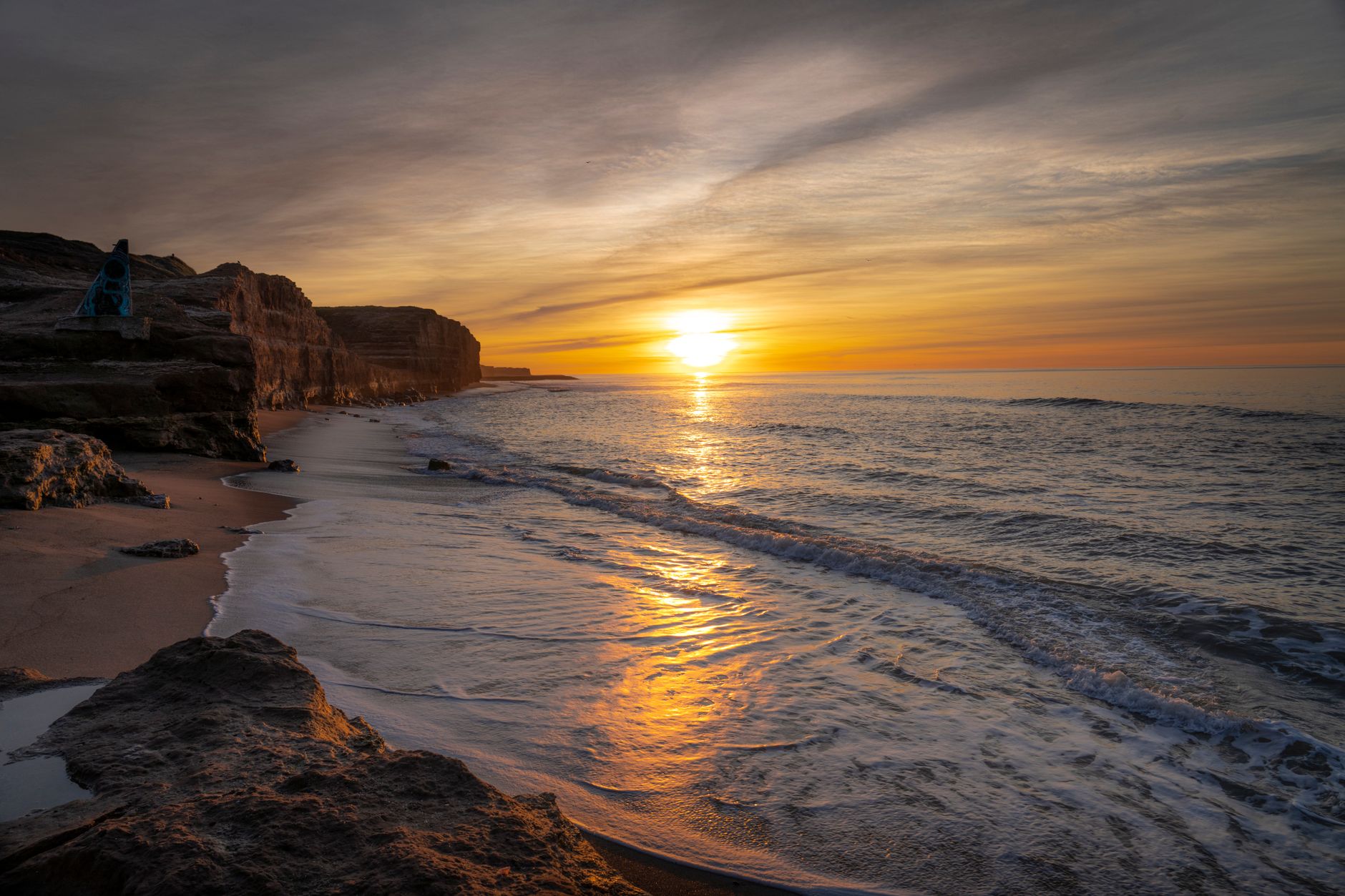
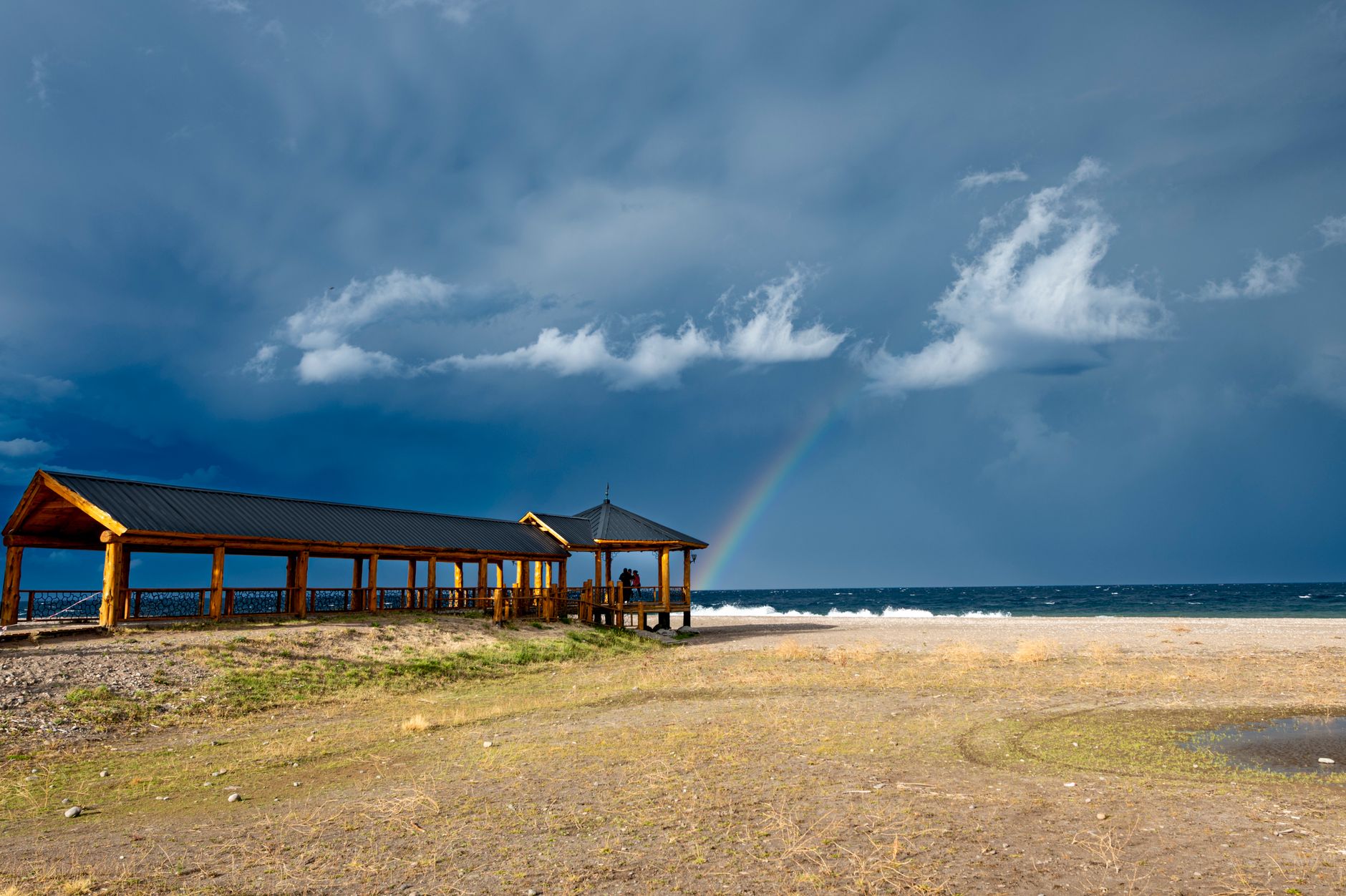
Playa Península Potter feels less like a beach and more like standing at the edge of a living laboratory. The shoreline curves in a narrow arc of wave-smoothed pebbles, charcoal and rust-colored, slick with kelp at the tideline. Behind you, the corrugated buildings of Base Carlini—Argentina's year-round research station—sit low against the tundra, while ahead, the Drake Passage churns in shades of pewter and indigo. This is Antarctica's accessible face, where science and wilderness collide in a landscape stripped to essentials. Elephant seals dominate the beach in summer, their blubbery forms sprawled across the stones like breathing boulders, exhaling plumes of condensation. Gentoo penguins commute past them, slipping into the frigid water to hunt krill. You'll hear the cacophony before you see it—barking seals, shrieking skuas, the wind rattling against rock. The air smells of guano, salt, and something ancient. Icebergs the size of apartment buildings drift offshore, calved from glaciers you can see fracturing in slow motion across the bay. You won't swim here—the water hovers near freezing—but you'll stand mesmerized, watching Argentine scientists shuttle between weather instruments and marine biology stations. The beach exists in a strange duality: protected wilderness monitored by humans whose presence is both intrusive and essential. When the last expedition ship departs in late summer, the penguins reclaim every inch, indifferent to the flags and research permits left behind.
Places, rentals, tours and events within walking and driving distance of Playa Península Potter.
Photos
Swimming at Playa Península Potter is unsafe and not recommended. Antarctic waters remain near freezing year-round, presenting immediate risks of hypothermia and cold shock that can be fatal within minutes. The beach serves scientific research purposes and controlled expedition landings rather than recreational swimming. Visitors must maintain safe distances from abundant wildlife including penguins and seals, following Antarctic Treaty environmental protocols. The pebble beach can be unstable and slippery. Emergency medical facilities are limited to basic station resources and ship medical staff, making any water-related incidents particularly dangerous in this remote location.
The optimal time to visit Playa Península Potter is during the Antarctic summer from November through March, with December to February offering the most favorable conditions. Base Carlini operates year-round, but tourist access is limited to summer months when expedition ships can navigate King George Island waters safely. November provides opportunities to see penguins nesting, while January and February offer peak wildlife activity and relatively milder weather. The extended summer daylight enhances photography opportunities. Weather remains unpredictable regardless of season, so visitors should expect variable conditions even during the best months for travel.
Playa Península Potter is accessed via expedition cruise ships that visit King George Island in the South Shetland Islands, typically departing from Ushuaia, Argentina. The voyage requires crossing the Drake Passage, usually taking 2 days each way. Some expeditions also offer fly-cruise options with flights to King George Island, reducing sea time. Transfer from ship to beach is via zodiac boat landings, weather permitting. No independent tourism is allowed; all visits must be through authorized operators following Antarctic Treaty regulations. Base Carlini's location makes it a moderately accessible Antarctic destination compared to more remote stations.
No commercial food or lodging is available at Playa Península Potter for tourists. Base Carlini is an active Argentine-German research station housing scientists and support staff only, with no public accommodation. All expedition visitors stay aboard their cruise ships, which provide full dining, lodging, and amenities throughout the Antarctic journey. Some expeditions may include brief base tours by arrangement, but overnight stays are not permitted. Visits to the beach and peninsula are short excursions lasting a few hours before returning to the ship for all meals and overnight accommodation during the Antarctic voyage.
Playa Península Potter is renowned for exceptional wildlife observation opportunities, particularly for penguin colonies. The Potter Peninsula area hosts significant populations of gentoo, chinstrap, and Adélie penguins during breeding season. Southern elephant seals and Weddell seals frequently haul out on the beach. The surrounding waters attract various seabirds including skuas, petrels, and occasionally whales offshore. The beach's proximity to Base Carlini's research facilities means the area is well-studied scientifically, adding educational value to wildlife encounters. Visitors must maintain regulated distances from all wildlife to minimize disturbance while enjoying these Instagrammable Antarctic encounters.