Counting the waves…
Counting the waves…

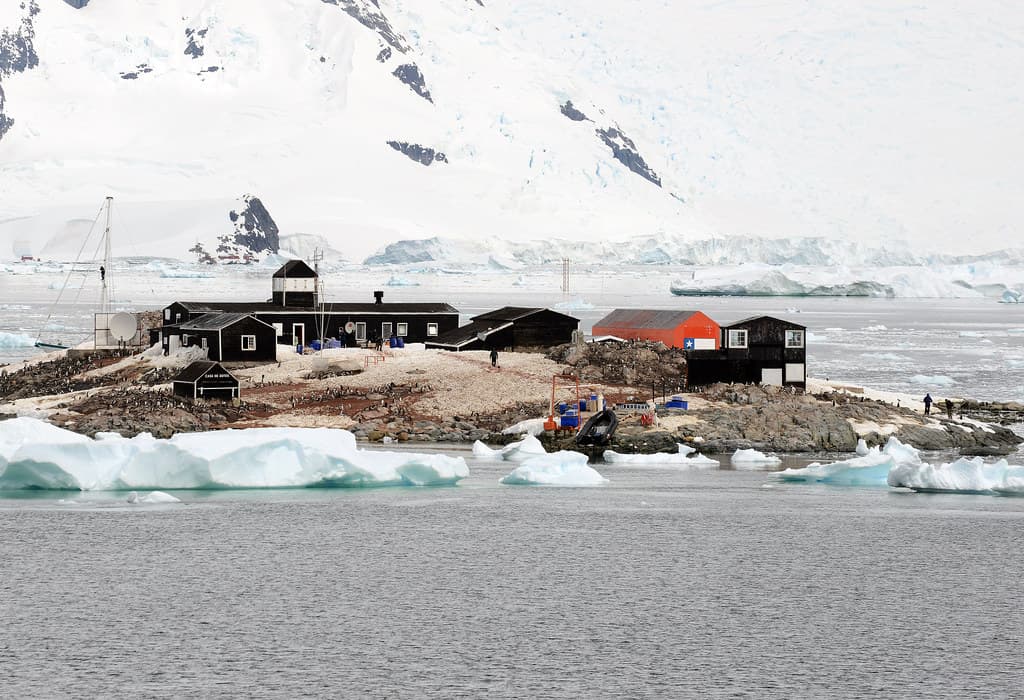
Damoy Point sits low and unassuming along the Graham Coast, a crescent of wave-worn pebbles that serves as one of the Peninsula's quieter landing zones. You step from the inflatable onto stones that click and shift underfoot, each one polished by centuries of freeze-thaw cycles. The beach itself is narrow, hemmed by glacial till and the skeletal remains of a 1970s British air facility—rusted fuel drums and a weathered Nissen hut that once served as a transit station for Twin Otters flying to Rothera. Gentoo penguins waddle past with the indifference of commuters, their footprints stamping the frost. The bay opens westward toward Wiencke Island's serrated peaks, where hanging glaciers calve house-sized chunks into the Gerlache Strait. On calm mornings, the water turns to pewter, reflecting the inverted architecture of icebergs drifting on the current. Wind funnels down from the interior ice sheet, carrying the mineral scent of ancient snow. Most expedition ships use Damoy as a secondary stop after Port Lockroy, which means you'll often share the pebbles with only a handful of other travelers and a few thousand penguins. The absence of sand makes every step audible—a rhythmic clatter that mingles with the crack of distant ice and the nasal braying of birds. There are no palm trees here, no warm shallows. Just stone, ice, and the raw algebra of the southernmost shore.
Places, rentals, tours and events within walking and driving distance of Damoy Point Beach.
Photos
Swimming is extremely dangerous and not permitted at Damoy Point Beach. Water temperatures hover around freezing, causing hypothermia within minutes of immersion. The beach serves as a landing point for guided expedition visits only. Visitors must wear appropriate cold-weather gear and follow guide instructions carefully. Ice and weather conditions can deteriorate quickly, making safety protocols essential. All activities are supervised by experienced expedition staff.
Visit Damoy Point Beach between November and March during the Antarctic summer. December to February offers the most favorable conditions with longer daylight hours and slightly warmer temperatures (around 0-3°C). Early season (November) provides opportunities to see penguins nesting, while mid-season (January-February) offers better weather and whale activity. Late season (March) has fewer tourists but increasingly cold conditions and limited daylight.
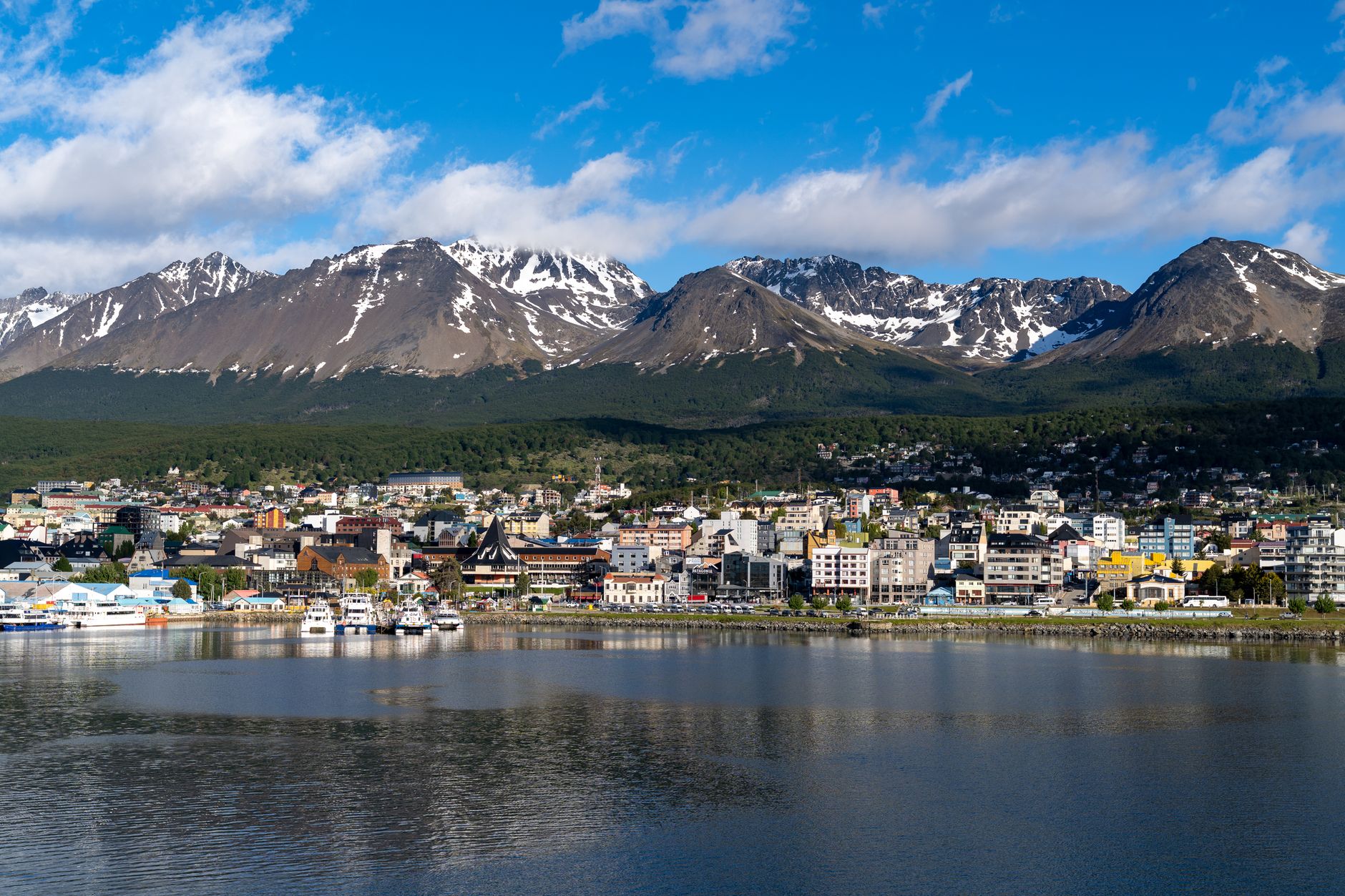
Damoy Point Beach is accessible only through organized expedition cruises departing from Ushuaia, Argentina. After a two-day Drake Passage crossing, ships navigate to the Antarctic Peninsula where zodiac boats transport passengers to shore. The beach is located near Port Lockroy and Wiencke Island, common stops on Peninsula itineraries. Landing depends on weather, ice, and permit conditions. Independent travel is impossible; all access requires cruise ship participation.
Damoy Point Beach has no facilities, accommodation, or infrastructure. A former British Antarctic Survey hut exists nearby but is not open to the public as accommodation. All visitors stay aboard their expedition cruise ships, which provide meals, lodging, and amenities. There are no bathrooms, shelters, or services ashore. Landings are brief, typically 1-2 hours, before returning to the vessel for all necessities.
Damoy Point is notable for its proximity to Port Lockroy, one of Antarctica's most visited heritage sites. The area served British Antarctic operations during the mid-20th century. The former British hut at Damoy Point represents early Antarctic logistics infrastructure. While the beach itself is a natural feature, its location along historic coastal routes used by early explorers and researchers adds cultural context to wildlife viewing opportunities.