Counting the waves…
Counting the waves…

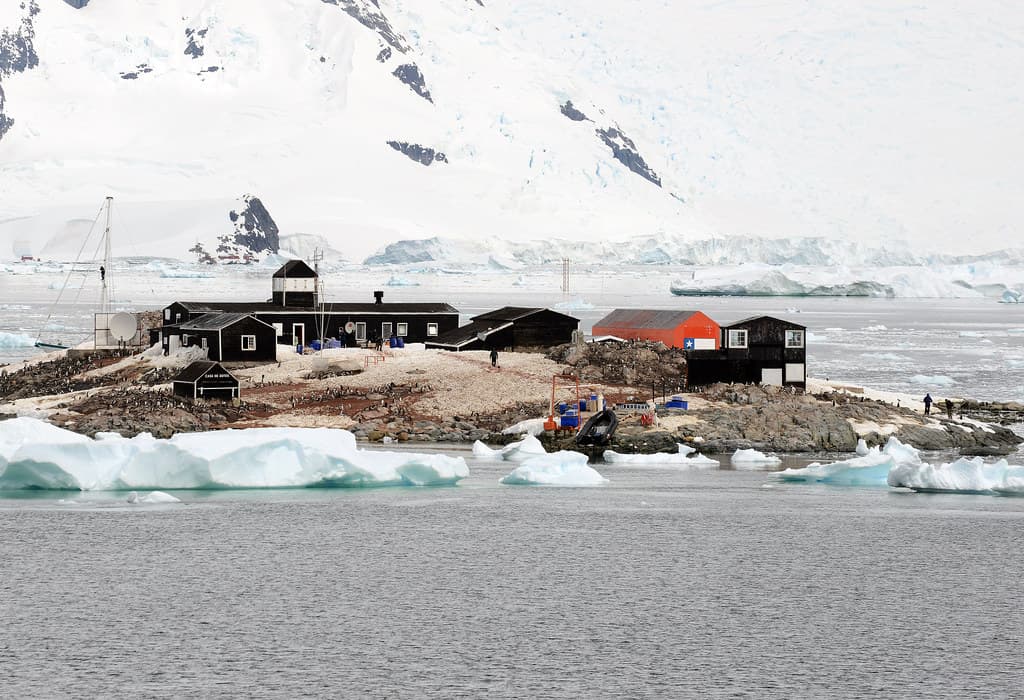
The pebbles beneath your feet are not sand but tumbled volcanic stones, polished by centuries of polar storms. You've arrived at one of the Antarctic Peninsula's most accessible shores, a narrow crescent tucked beside the historic Port Lockroy station on Goudier Island. The beach itself is little more than a gravelly margin where the Southern Ocean meets land, but what it lacks in Caribbean aesthetics it repays in raw encounter: gentoo colonies nest mere feet from the waterline, their braying calls echoing off the glacier-carved cliffs behind you. The cold here is precise, a blade that finds every gap in your parka. You watch as penguins porpoise through the slate-gray water, launching themselves onto shore with comic determination. Weddell seals lounge on nearby ice floes, exhalations visible in the subzero air. The buildings of Port Lockroy—maintained exactly as they were in the 1950s—offer a surreal counterpoint: you can mail a postcard from the world's most remote post office, surrounded by the detritus of mid-century Antarctic exploration. This is not a beach for sunbathing or swimming. It is a beach for standing still, for letting the enormity of the seventh continent settle into your bones. The light here bends strangely, refracting through ice crystals suspended in the air, painting everything in shades of silver and slate. You will leave with pebbles in your boots and the memory of a place where tourism and wilderness negotiate an uneasy truce.
Places, rentals, tours and events within walking and driving distance of Jougla Point Beach.
Photos
Swimming is not safe or allowed at Jougla Point Beach. Water temperatures remain at or below freezing year-round, creating immediate hypothermia risk. The beach serves as a controlled landing site for expedition cruise passengers under guide supervision. Visitors must maintain safe distances from wildlife, particularly seals and penguins that frequent the area. Weather can change within minutes, requiring constant vigilance. All safety decisions are made by experienced expedition staff.
Visit Jougla Point Beach during the Antarctic summer season from November to March. Peak conditions occur December through February when temperatures reach their warmest (around 0-3°C) and wildlife is most active. January typically offers the best weather stability and longer daylight for photography. Early season provides penguin nesting activity, while late season brings fewer crowds. Proximity to Port Lockroy means this site is included on many expedition itineraries.
Jougla Point Beach is accessible only through expedition cruise ships that operate Antarctic Peninsula itineraries from Ushuaia, Argentina. After crossing the Drake Passage, passengers transfer to zodiac boats for shore landings. The beach's location near Port Lockroy makes it a common stop on most Peninsula cruises. All landings require permits and favorable weather conditions. There is no independent access or commercial transportation to this remote Antarctic location.
Jougla Point Beach has no facilities or accommodation. The nearby Port Lockroy historic base operates as a museum and post office during summer but doesn't offer lodging. All visitors stay aboard their expedition cruise ships for accommodation, meals, and services. There are no bathrooms, shops, or infrastructure ashore. Shore visits are short excursions before returning to the vessel. Emergency support comes exclusively from your ship's crew and medical staff.
Jougla Point Beach offers exceptional wildlife viewing with gentoo penguin colonies and nesting sites nearby. Its proximity to Port Lockroy, a restored British research station and popular tourist stop, adds historical and cultural interest. The location provides dramatic Antarctic scenery perfect for photography, earning its Instagrammable reputation. Whale bones scattered on the beach tell stories of early whaling history. The combination of wildlife, heritage, and scenery makes it memorable.