Counting the waves…
Counting the waves…
A refined fusion of water purity, environmental stability, and communal vibrancy for Port Lockroy Beach.
View MethodologyAnalyzed via live sensors and environmental data.
Wave height, wind, and atmospheric stability.
Live footfall and crowd balance metrics.
Community reviews and curated sentiment.
“You step from the Zodiac onto smooth black stones that shift beneath your boots, the air sharp with guano and brine. Gentoo penguins waddle past your ankles, indifferent to your camera, while the red-painted British…”
Limited recent visitor reports — live OBI telemetry is your best guide for current conditions.
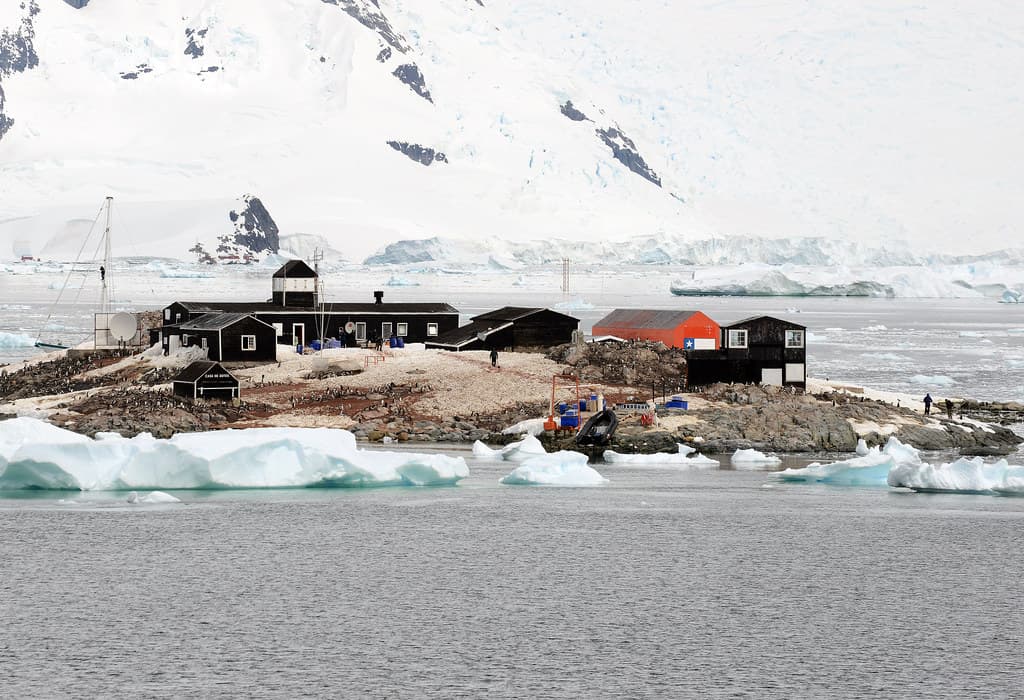
The crunch of your footsteps on frozen pebbles announces your arrival at one of Antarctica's most improbable shore landings. Port Lockroy sits in a natural harbour on Goudier Island, where you'll navigate a shoreline crowded with gentoo penguins nesting between ice-crusted rocks. The corrugated-metal British research station, painted in defiant crimson, rises just beyond the beach—operational since 1944, now preserved as a living monument to Antarctic exploration.
You'll share this pebbled strip with thousands of breeding penguins who've claimed the island as their rookery. The birds toboggan on their bellies across patches of compacted snow, diving into gunmetal waters to hunt for krill. Behind you, glaciers calve into Neumayer Channel with cracks that echo like rifle shots. The wind carries the metallic scent of penguin guano mixed with sea spray and ancient ice.
 Credit: Unsplash
a sandy beach with a body of water in the background
 Credit: Unsplash
sea waves crashing on shore during daytime
Shoot nesting gentoos at arm's length
Explore 1940s British research base
Frame glaciers across Neumayer Channel
Prime Visitation
Best Weather | Less Crowds
Where it is
Port Lockroy Beach
Port Lockroy, Antártida e Islas del Atlántico Sur, Argentina
-64.824700°, -63.492800°
Weather
Loading…
Swell
—
Temp
Warm · Restorative
UV Index
Moderate
Wind
—
Tidal State
Last known
Max Sunlight
—
Ideal Shade
—
Jan - Dec (Peak)
Mar - Nov (Off-season)
Best Weather | Less Crowds
Select a category to load nearby places.
Unlock restaurants, luxury stays and curated maritime experiences within 2km
Swimming at Port Lockroy Beach is unsafe and prohibited under Antarctic visitor guidelines. Water temperatures remain near freezing year-round, causing rapid hypothermia. The beach serves strictly as a zodiac landing site for visiting the historic base. Visitors must follow designated pathways to protect nesting gentoo penguins and fragile ecosystems. Weather conditions can change rapidly, creating hazardous seas. All landings are supervised by certified expedition guides who enforce Antarctic Treaty regulations. Appropriate polar gear including waterproof boots and layers is essential. Wildlife including seals may be present, requiring visitors to maintain mandatory minimum distances.
Port Lockroy operates from November to March during the Antarctic summer season, with the museum and post office staffed typically from November through mid-March. December through February offers the warmest temperatures (-2°C to 5°C) and most daylight for exploring. Early season (November) shows courting penguins and pristine snow, while mid-season (December-January) brings penguin chicks and active wildlife. Late season (February-March) offers warmer conditions but some wildlife begins migrating. The museum is accessible only when staff are present, making mid-season visits most reliable. Weather and sea ice always affect landing feasibility.
Port Lockroy is reached exclusively by expedition cruise ships departing from Ushuaia, Argentina, or occasionally Punta Arenas, Chile. After crossing the Drake Passage (approximately 2 days), ships navigate the Antarctic Peninsula waters to Goudier Island. Visitors transfer via zodiac boats for landings on the pebble beach. Port Lockroy is included in many Antarctic Peninsula itineraries due to its popularity, but landings depend on weather, ice, and daily visitor limits to protect the heritage site. The journey requires joining an organized polar expedition; independent visits are impossible and prohibited under Antarctic regulations.
Port Lockroy has no visitor accommodations or dining facilities. The restored British Base A operates as a living museum and the world's southernmost post office, staffed seasonally by four people who live in basic historic quarters. A small gift shop sells souvenirs and postage stamps, but no food or beverages. All meals and lodging are aboard your expedition cruise ship. Visitors typically spend 1-2 hours ashore before returning to their vessel. The museum offers fascinating glimpses into 1950s Antarctic life, but modern tourist amenities are intentionally absent to preserve the site's historical authenticity and minimize environmental impact.
Port Lockroy is Antarctica's most visited heritage site, combining history, wildlife, and the novelty of the world's most remote post office. The restored 1940s British research station offers authentic period interiors showing how scientists lived during early Antarctic exploration. Visitors can mail postcards bearing unique Antarctic stamps that actually get delivered worldwide, though delivery takes months. A thriving gentoo penguin colony nests among the buildings, creating charming photo opportunities. Scientific monitoring compares penguin behavior in disturbed versus undisturbed areas. The combination of accessible history, active wildlife, and the romantic appeal of sending mail from Antarctica creates unmatched appeal.
Photos