Counting the waves…
Counting the waves…

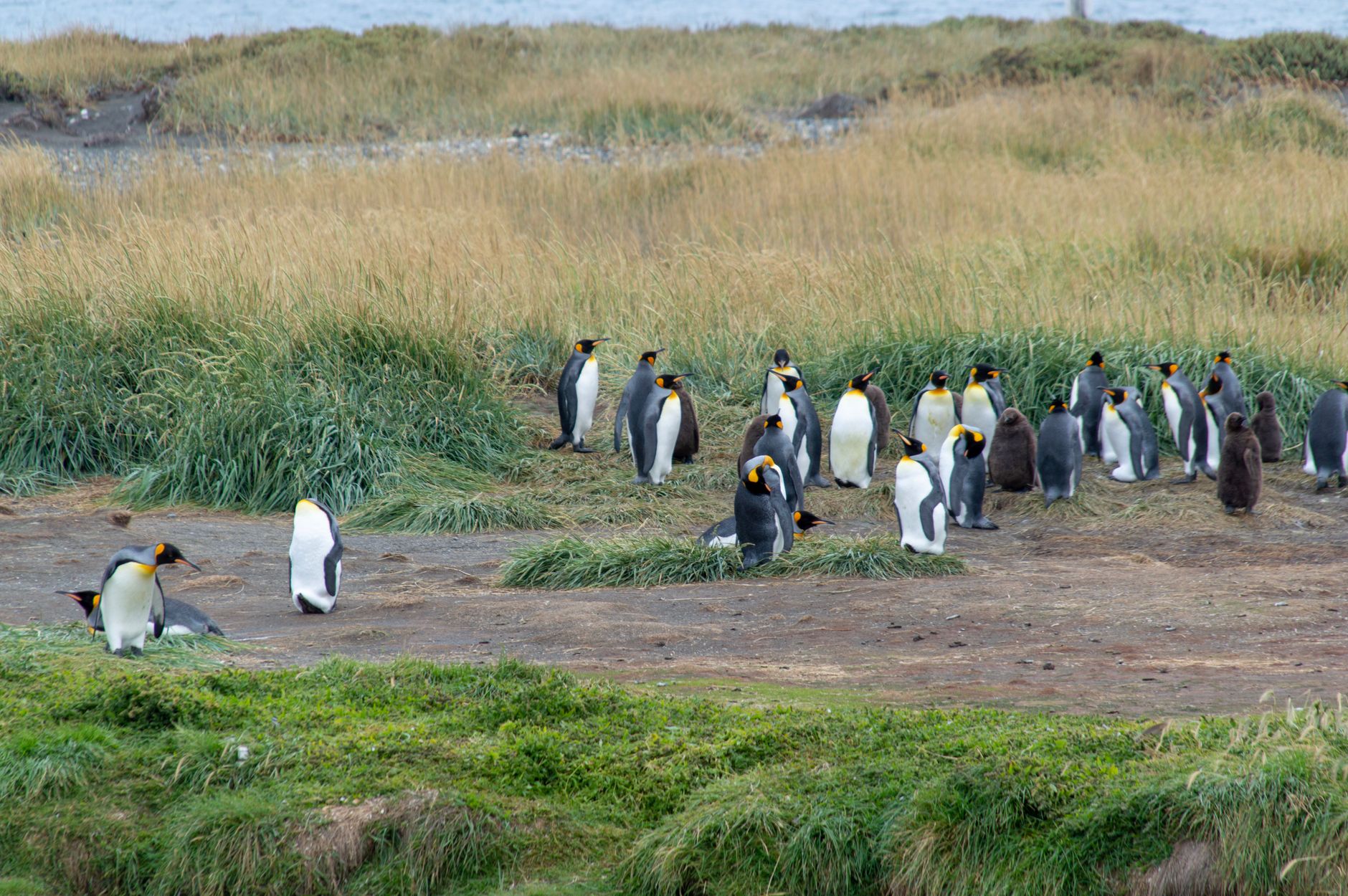
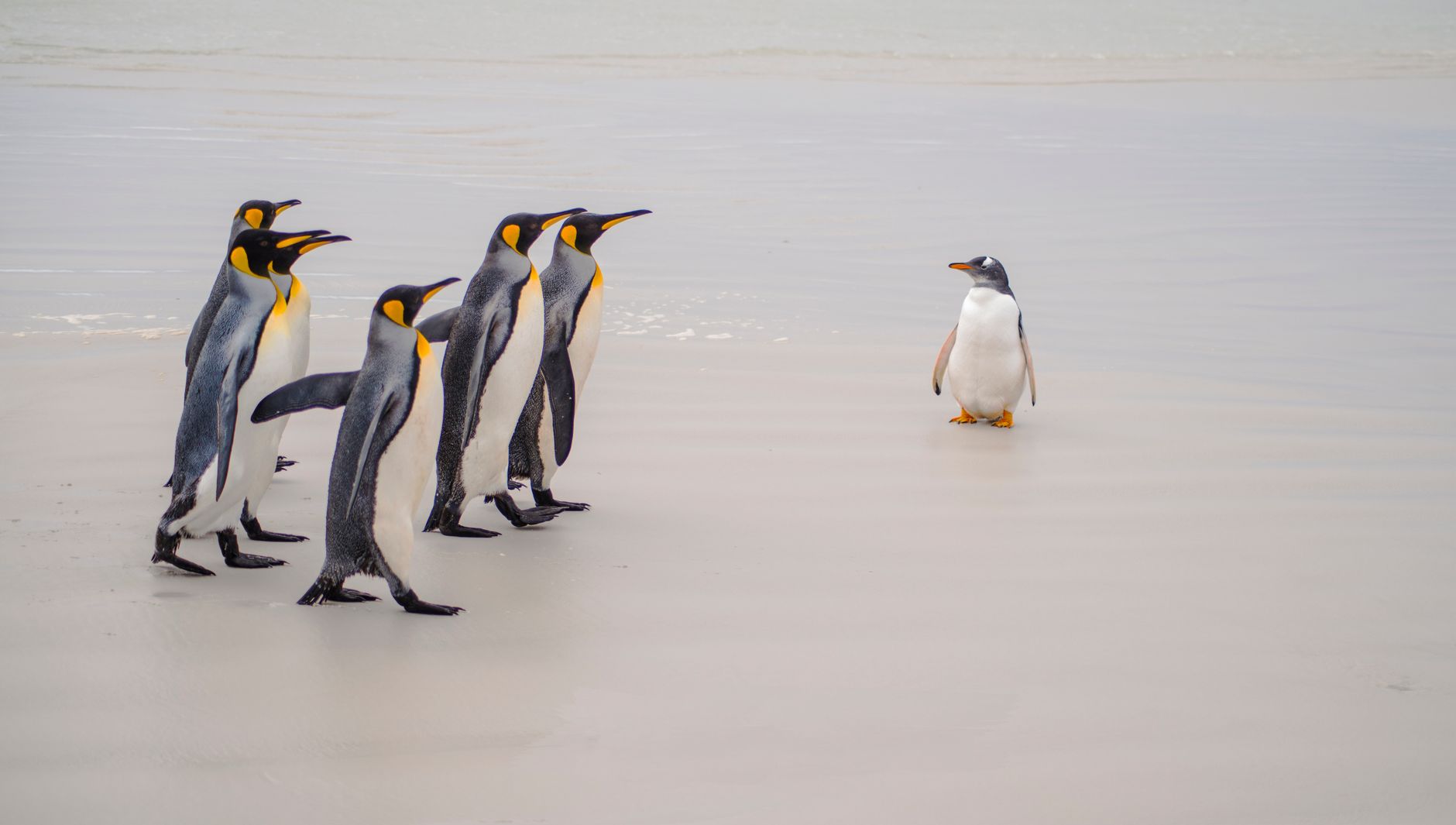
You arrive at Marian Cove aboard a Zodiac that threads between brash ice and the rust-colored hull of a supply vessel anchored offshore. The beach itself is a narrow apron of rounded pebbles—obsidian, slate, russet—polished smooth by tides that pulse with the Southern Ocean's cold breath. Behind you, Collins Glacier sprawls in fissured sheets of white and cerulean, calving house-sized chunks into Maxwell Bay with percussive cracks that echo across the cove. This is not a beach for swimming or sandcastles. The water temperature hovers just above freezing; the seals lounging on the rocks are Weddells and southern elephant seals, indifferent to your presence until you venture too close. Researchers from nearby Carlini station cross the cove on foot, ferrying equipment to the small jetty, their bright parkas the only splash of warmth against the monochrome landscape. You'll share the pebbles with gentoo and chinstrap penguins, who waddle past in single file, intent on their own inscrutable errands. The light here is relentless in summer—midnight sun glancing off glacial facets, turning the sky opalescent. You kneel to examine the stones: some bear the scars of ancient volcanic fury, others the green bloom of algae that thrives in the brief Antarctic thaw. This is a beach that demands reverence, not recreation, where every visit feels like trespass on a world still assembling itself.
Places, rentals, tours and events within walking and driving distance of Marian Cove Beach.
Photos
Swimming is not recommended at Marian Cove Beach due to extreme water temperatures hovering near freezing year-round. Hypothermia can occur within minutes of immersion. Additionally, Antarctic Protocol regulations prohibit most water activities to protect the pristine environment. Visitors should maintain safe distances from the shoreline, as weather conditions can change rapidly and glacier calving poses hazards. Always follow expedition leader guidance and remain with your group.
The Antarctic summer season from November through March offers the best access to Marian Cove Beach, with December to February providing the most favorable weather conditions. During these months, temperatures are relatively milder, sea ice coverage is reduced, and wildlife is most active. Late November and December offer longer daylight hours, while January and February provide slightly warmer conditions. All visits require joining an organized expedition cruise.
Access to Marian Cove Beach is exclusively via expedition cruise ships departing primarily from Ushuaia, Argentina. The voyage across the Drake Passage typically takes two days. Once near King George Island, small Zodiac boats ferry passengers from the ship to the beach landing site. All visits are strictly regulated under Antarctic Treaty guidelines and must be conducted with licensed expedition operators who coordinate landings based on weather and environmental conditions.
There are no commercial accommodations or dining facilities at Marian Cove Beach. Visitors stay aboard their expedition cruise ship, which provides all meals and lodging. Nearby research stations on King George Island house scientific personnel but are not open to tourists for accommodation. Shore visits are typically brief excursions lasting a few hours. All food, water, and shelter needs are met by your expedition vessel throughout your Antarctic journey.
Marian Cove Beach is distinguished by its dramatic glacier-facing position, offering stunning views of actively calving ice formations. The cove serves as an important site for scientific research, with nearby stations conducting climate and marine studies. The surrounding area features diverse wildlife including seals and seabirds. The beach's pebble composition and proximity to multiple research facilities give visitors insight into both Antarctic natural environments and international scientific cooperation in this remote region.