Counting the waves…
Counting the waves…
A refined fusion of water purity, environmental stability, and communal vibrancy for Volunteer Beach.
View MethodologyAnalyzed via live sensors and environmental data.
Wave height, wind, and atmospheric stability.
Live footfall and crowd balance metrics.
Community reviews and curated sentiment.
“You step from a Land Rover onto bone-white sand that crunches underfoot, the air sharp with salt and kelp. Ahead, a colony of king penguins—brilliant orange ear patches flashing—waddles past tussock grass, utterly…”
Limited recent visitor reports — live OBI telemetry is your best guide for current conditions.
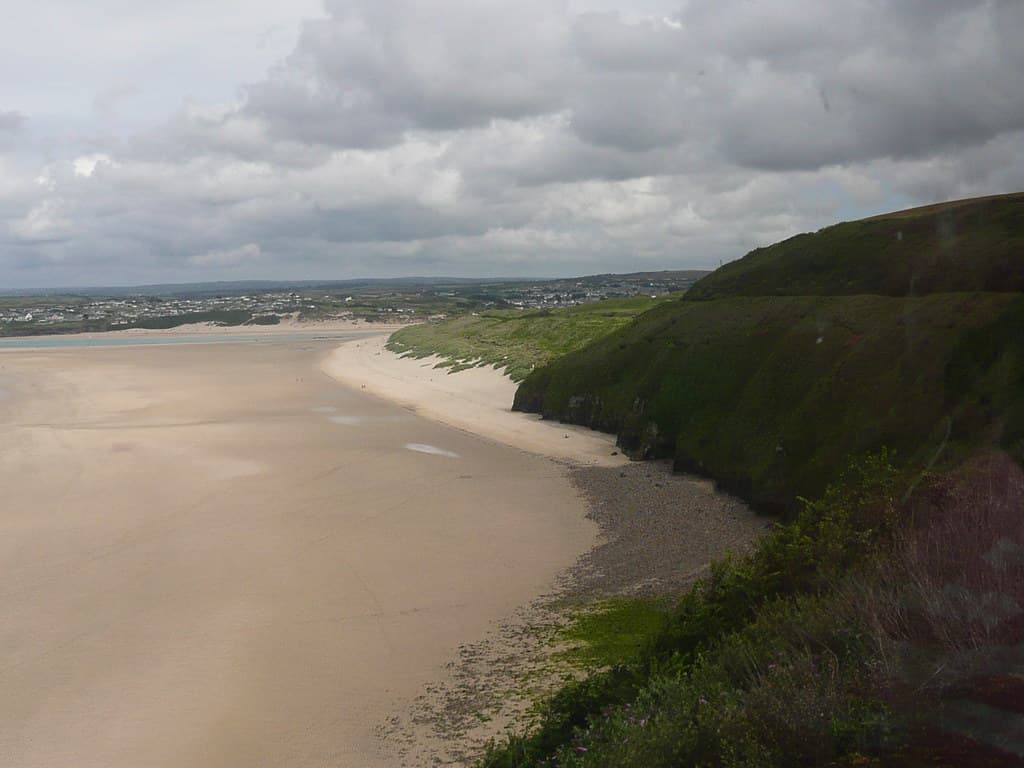
The four-hour drive across peat moorland and creek crossings ends abruptly: a crescent of pale sand curves around Volunteer Lagoon, backed by low dunes and the relentless wind of the South Atlantic. You're not here for the beach itself—though the sweep of it, empty save for driftwood and kelp ribbons, holds a stark beauty—but for the residents. More than a thousand king penguins nest in the grass behind the tide line, their chicks huddled in brown downy clusters, adults trumpeting and preening with the self-assurance of locals who've never known a predator.
You walk slowly, keeping the required five meters between you and the birds, though they often close the gap themselves, curious about your boots. The wind never stops. It carries the briny smell of the ocean, the guano tang of the colony, and the cries of skuas wheeling overhead. Gentoo penguins porpoise through the surf, and if you're patient, you'll watch kings belly-slide onto the beach, shake off the cold water, and march inland with comical dignity.
 Credit: Unsplash
a sandy beach with a body of water in the background
 Credit: Unsplash
sea waves crashing on shore during daytime
Stay low, shoot at eye level
Circle lagoon for colony views
Watch penguins riding incoming waves
Prime Visitation
Best Weather | Less Crowds
Where it is
Volunteer Beach
Volunteer Point, Antártida e Islas del Atlántico Sur, Argentina
-51.476200°, -57.841800°
Weather
Loading…
Swell
—
Temp
Warm · Restorative
UV Index
Moderate
Wind
—
Tidal State
Last known
Max Sunlight
—
Ideal Shade
—
Jan - Dec (Peak)
Mar - Nov (Off-season)
Best Weather | Less Crowds
Near Volunteer Beach
Explore dining, stays, nightlife, and activities near Volunteer Beach in Volunteer Point, Argentina. Every listing below is a real place linked to this beach — open a card for reviews, maps, and booking options.
Stays and lodging options near Volunteer Beach for your beach trip.
Select a category to load nearby places.
Unlock restaurants, luxury stays and curated maritime experiences within 2km
Swimming is extremely dangerous at Volunteer Beach and strongly discouraged. Water temperatures remain between 2-9°C year-round, creating immediate hypothermia risk. Strong currents, unpredictable surf, and the beach's remote location with no rescue services make swimming potentially life-threatening. The beach's purpose is wildlife observation, particularly king penguins, rather than water recreation. Visitors should maintain safe distances from the waterline, especially during high tides. Focus on the spectacular scenery and penguin colonies rather than any water-based activities.
November through March is optimal for visiting Volunteer Beach, coinciding with the king penguin breeding season when colonies are most active and numerous. December through February offers peak viewing with chicks visible and milder weather conditions. October and November feature courtship displays, while March shows fledging activity. Weather is more favorable during summer months with longer daylight, though conditions remain unpredictable. Book well in advance as visitor numbers are managed. Each season offers different penguin behaviors, but mid-summer provides the most reliable combination of weather and wildlife activity.
Reaching Volunteer Beach requires a challenging journey approximately 90-120 kilometers from Stanley, typically taking 2-3 hours by 4WD vehicle over rough terrain. Most visitors book organized day tours or arrange private 4WD transportation, as the route crosses private land requiring permission and includes difficult tracks unsuitable for standard vehicles. Some tours combine road transfer with short walks. Helicopter transfers are occasionally available but expensive. Independent travel is not recommended without proper vehicle, navigation skills, and landowner permissions. Always check weather and road conditions before departure.
Volunteer Beach has no commercial facilities whatsoever—no restaurants, shops, or accommodation. There's a basic self-catering cottage available for overnight stays through advance booking, but you must bring all food, water, and supplies. Most visitors come on day trips from Stanley, where all hotels, guesthouses, and restaurants are located. Tour operators typically include packed lunches. The remote location means you must be completely self-sufficient. Bring extra provisions, warm clothing, and emergency supplies as weather can delay return journeys unexpectedly.
Volunteer Beach hosts one of the world's most accessible king penguin colonies, with hundreds of these magnificent birds breeding on pristine white sand—a rare and photogenic combination. The remote location ensures dramatic, unspoiled landscapes with turquoise waters and expansive beaches. Unlike Antarctic destinations, it's relatively accessible while offering genuine wilderness character. Photographers can capture king penguins against stunning coastal backdrops, often with minimal other tourists. The light quality, especially during long summer days, creates excellent conditions. Always maintain respectful distances from wildlife and follow photography guidelines.
Photos