Counting the waves…
Counting the waves…
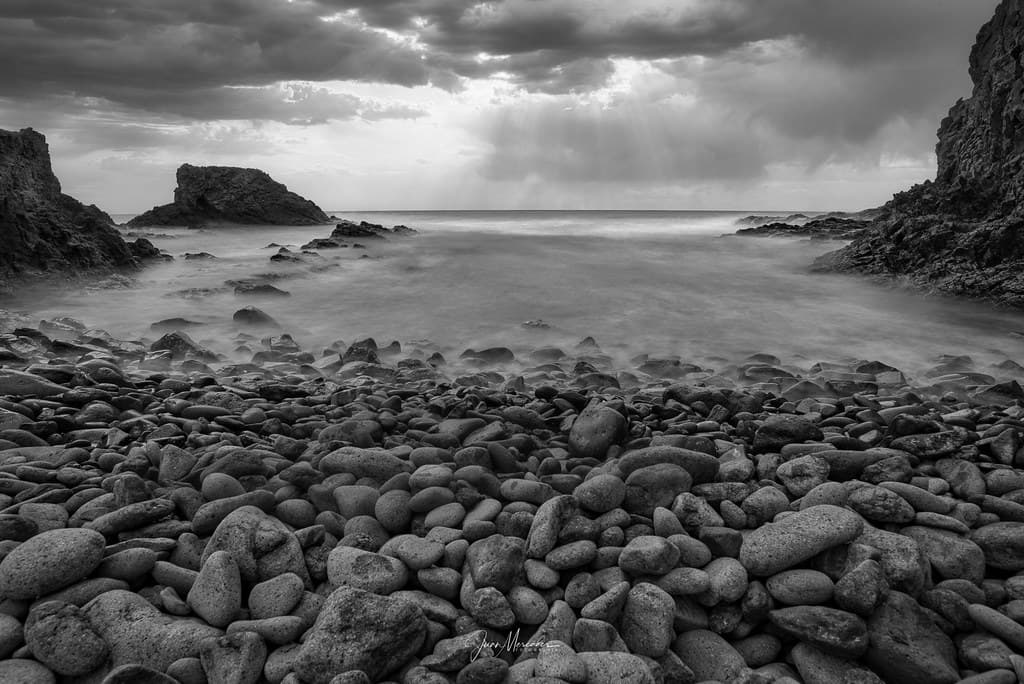
The stones shift beneath your boots as you descend toward the surf, each pebble worn smooth by relentless Patagonian winds. Elephant seals lounge in improbable numbers along the tideline, their bulk transforming the beach into a living obstacle course of blubbery tonnage and territorial roars. The air tastes of salt and kelp, sharp enough to sting your nostrils. Above the beach, the coastal reserve stretches across scrubland where guanacos pause mid-graze to watch you pass. Cormorants and Magellanic penguins claim rocky outcrops as the tide retreats, revealing tidal pools filled with green anemones and scuttling crabs. The lighthouse at Cabo Blanco stands sentinel five kilometers north, a white stroke against endless sky. You won't find infrastructure here—no cafés, no lifeguards, no families spreading blankets. The wind erases your footprints within minutes. What remains is the pure transaction between land and ocean, witnessed by creatures who've claimed this coastline for millennia before the first human arrival and will likely outlast the last departure.
Places, rentals, tours and events within walking and driving distance of Playa Bahía del Oso Marino.
Photos
Playa Bahía del Oso Marino's name (Bay of the Marine Bear/Sea Lion) suggests historical or current marine mammal presence. The beach's proximity to the Cabo Blanco coastal reserve system increases wildlife viewing potential. Sea lions and fur seals may be observed on rocks or beaches, particularly during breeding seasons. Various seabirds frequent the area year-round. Marine mammals are wild and unpredictable, so sightings aren't guaranteed. Maintain safe distances and never approach or feed wildlife. Binoculars enhance viewing while respecting animal space. Visit during spring and summer when marine life is most active for better chances of memorable wildlife encounters.
Playa Bahía del Oso Marino can be visited year-round, though conditions vary significantly by season. Summer (December-February) offers the mildest weather and best wildlife viewing as marine mammals and seabirds are most active. Spring (September-November) brings wildlife breeding activity and moderate temperatures with fewer crowds. Autumn provides transitional conditions with potential for good photography. Winter is challenging with strong winds and cold temperatures but offers dramatic scenery for hardy visitors. Given the wildlife focus, time your visit for warmer months when animals are more visible. The remote location means fewer crowds regardless of season, maintaining the beach's isolated character.
Reaching Playa Bahía del Oso Marino requires traveling to the remote Cabo Blanco area on Santa Cruz's northern gulf coast. Access involves driving on unpaved roads from the nearest towns, requiring a sturdy vehicle with adequate clearance. The beach is near the Cabo Blanco coastal reserve, which may have designated access points or visiting protocols. GPS navigation is recommended as signage is minimal in remote Patagonian areas. Ensure your vehicle is well-maintained with full fuel tank and emergency supplies, as services are nonexistent nearby. Check road conditions locally before departure. Organized tours may be available from regional centers for those without suitable transport.
Playa Bahía del Oso Marino has no facilities or services given its remote, wildlife-oriented nature near the Cabo Blanco reserve. Visitors must be completely self-sufficient, bringing all food, water, and supplies needed. There are no restrooms, shelters, shops, or restaurants. Mobile phone coverage is likely absent or unreliable. The nearest services are in distant towns, requiring significant travel. Pack out all trash to preserve the pristine environment. Bring appropriate clothing for changing Patagonian weather, including wind protection. This is a true wilderness beach experience requiring preparation and self-reliance suitable for adventurous travelers seeking untouched natural areas.
Playa Bahía del Oso Marino offers exceptional photography opportunities combining dramatic Patagonian coastal landscapes with wildlife potential. The pebble beach, rugged coastline, and remote reserve setting create Instagrammable scenic compositions. Potential wildlife subjects include sea lions, fur seals, and diverse seabirds in natural behaviors. The isolation ensures pristine, human-free landscapes unlike developed beaches. Lighting conditions vary dramatically with Patagonia's weather, from brilliant clear days to moody storm skies. The bay's geography may create interesting foreground elements with the gulf backdrop. Wide-angle landscape shots and telephoto wildlife photography both work well here, making it ideal for photographers seeking authentic wilderness coastal imagery.